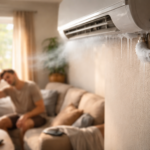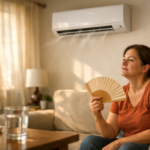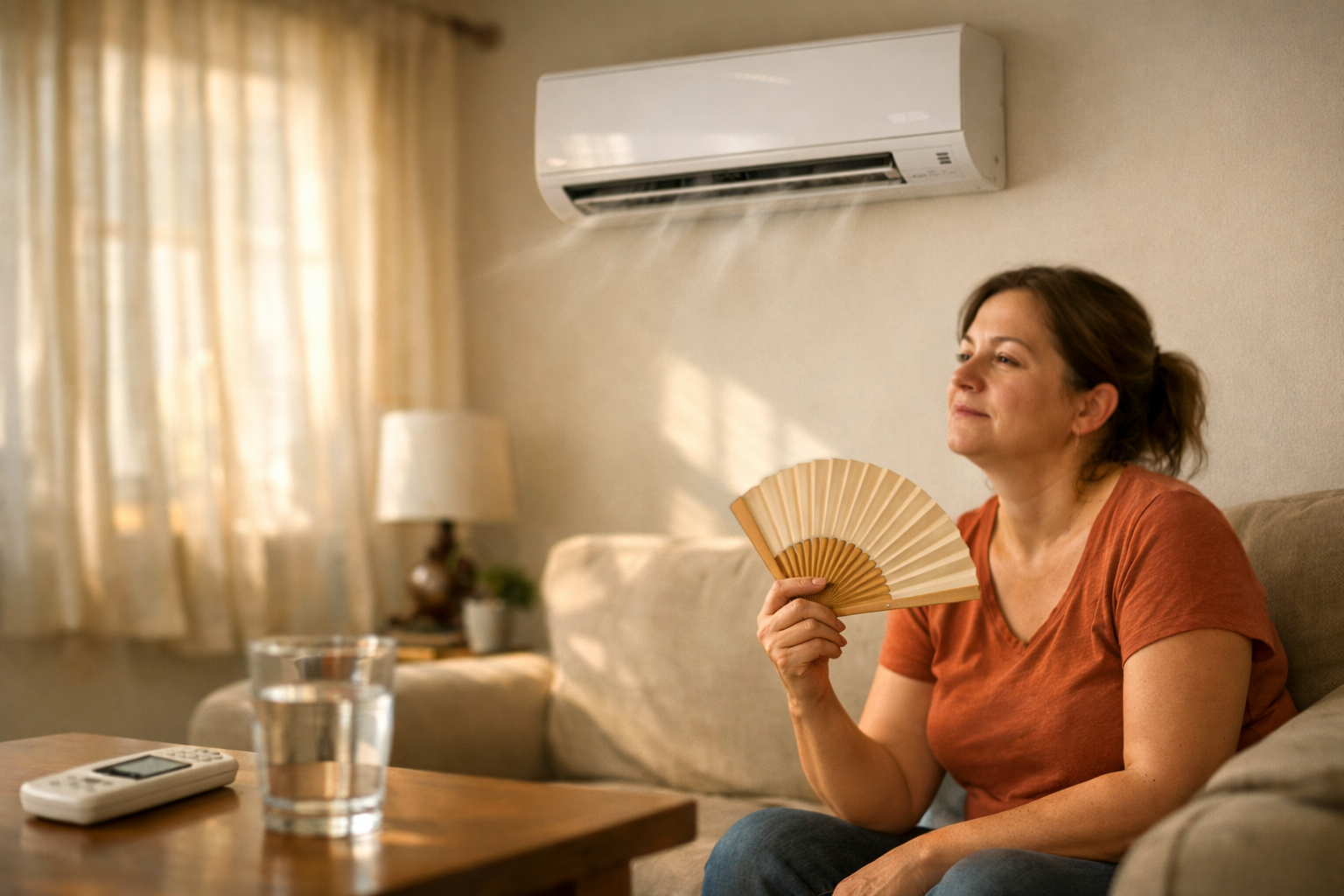
Most people assume an air conditioner stops cooling only when it’s “broken.” That belief is flat-out wrong. In reality, a majority of cooling issues come from small, overlooked problems that quietly build up over time.
I’ve seen perfectly good AC units struggle in peak summer simply because of clogged filters, low refrigerant, or even thermostat missettings. It’s frustrating—especially when the heat is unbearable and you expect instant relief. But here’s the truth: understanding why your air conditioner is not cooling can save you time, money, and unnecessary repairs.
In this guide, I’ll walk you through the real reasons behind poor cooling performance, from simple DIY fixes to more technical causes. Whether it’s airflow issues, compressor trouble, or environmental factors, you’ll get clear, practical insights to bring your AC back to life.
Dirty Air Filters Blocking Airflow
Airflow is the lifeline of your air conditioning system. When it’s restricted, cooling performance drops instantly. A dirty air filter is one of the most common reasons behind weak cooling, and it’s surprisingly easy to overlook.
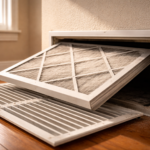
I’ve personally seen homes where the AC was running all day but barely cooling the room. The culprit? A filter so clogged with dust it looked like fabric. When air can’t pass through properly, the evaporator coil doesn’t get enough warm air to cool, which throws off the entire system.
Over time, this restriction can also lead to ice forming on the coils. That sounds counterintuitive, but it happens because reduced airflow causes the coil temperature to drop too low. Once ice builds up, cooling stops almost completely.
Replacing or cleaning the filter regularly—every 2 to 4 weeks in dusty areas—can dramatically improve performance. It’s a small task with a massive impact.
Low Refrigerant Levels or Gas Leakage
Refrigerant is the core substance that absorbs heat from your indoor air. If levels drop, your AC simply cannot cool effectively, no matter how long it runs.
Low refrigerant usually points to a leak. This isn’t something that “just happens” without reason. It often develops from worn-out connections, corrosion, or poor installation. I’ve seen systems lose efficiency gradually, where the user thinks it’s aging—but in reality, it’s slowly losing gas.
One clear sign is when the AC blows air, but it’s not cold—just slightly cool or even room temperature. Another indicator is hissing sounds near the unit or ice buildup on the evaporator coil.
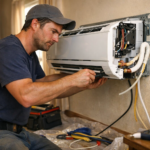
Fixing this isn’t a DIY job. A technician needs to locate the leak, repair it, and recharge the system properly. Simply refilling the gas without fixing the leak is a temporary solution at best.
Thermostat Settings and Calibration Issues
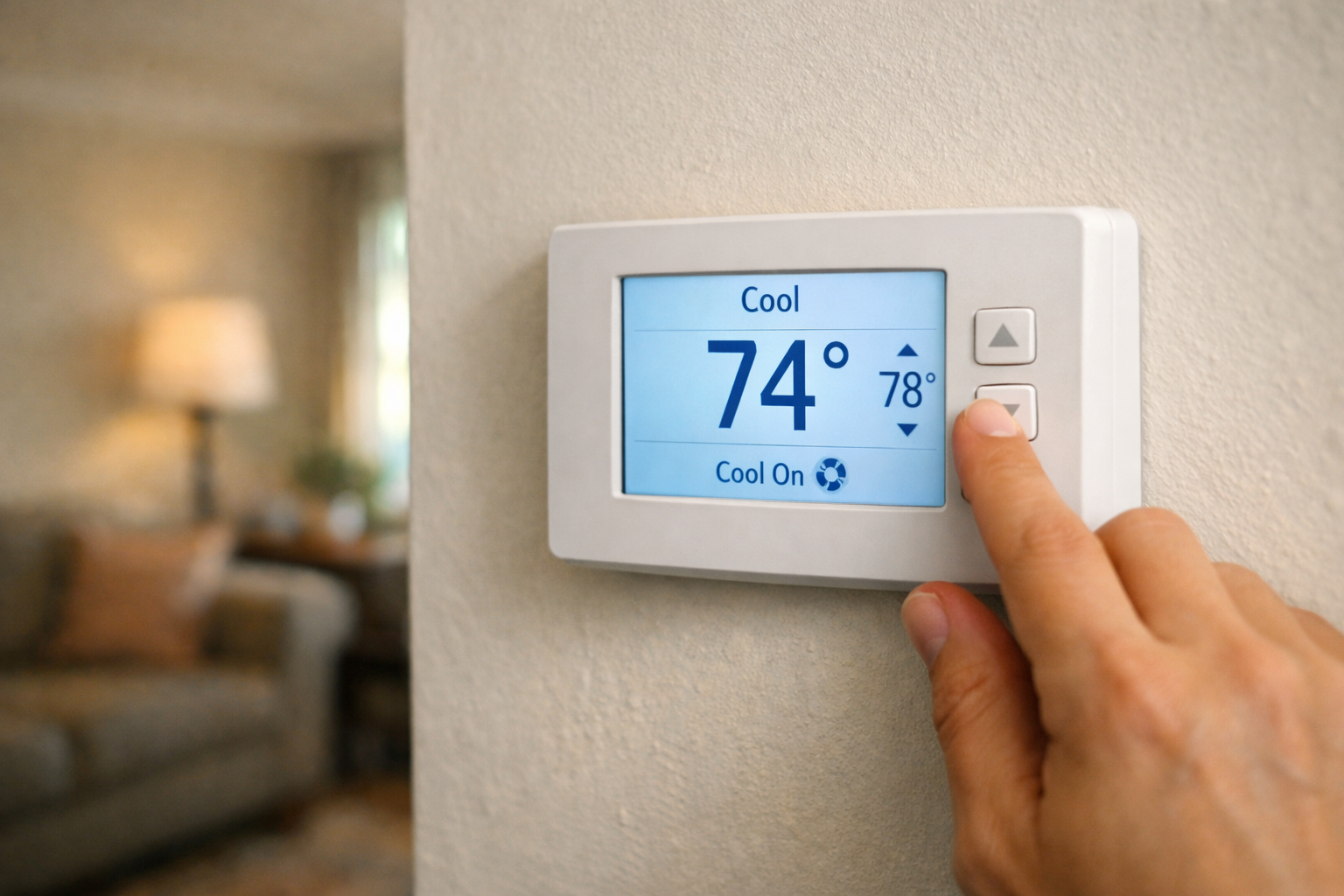
Sometimes the issue isn’t mechanical at all—it’s simply the thermostat. Incorrect settings or faulty calibration can make your AC behave as if it’s not cooling, even when everything else is working fine.
I’ve encountered cases where the thermostat was set to “fan mode” instead of “cool.” The unit ran continuously but never actually cooled the space. It sounds basic, but it happens more often than people admit.
Temperature calibration is another hidden problem. If the thermostat misreads the room temperature, it may shut off early or run inefficiently. That leads to uneven cooling and constant discomfort.
Make sure your thermostat is set correctly, placed away from heat sources, and functioning accurately. Sometimes replacing an old thermostat can instantly fix cooling inconsistencies.
Dirty or Blocked Condenser Unit
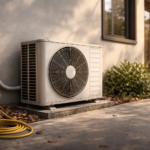
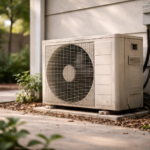
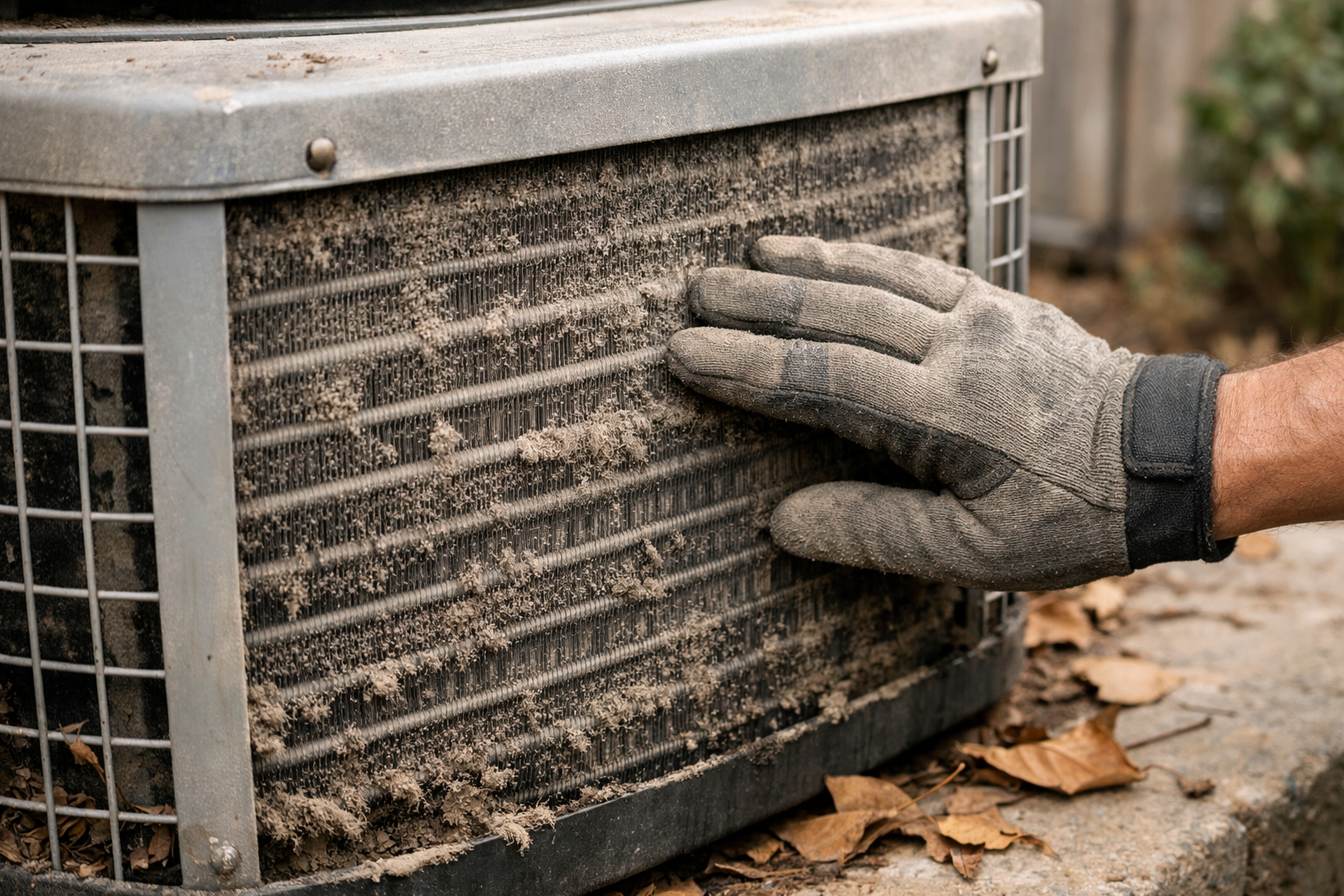
The outdoor condenser unit plays a critical role in releasing heat. When it’s dirty or blocked, heat cannot escape efficiently—and your AC struggles to cool indoors.
Dust, debris, leaves, and even plastic bags can clog the condenser coils. In areas with high pollution or sand, this buildup happens quickly. I once saw a unit completely surrounded by overgrown plants—it had almost zero airflow.
When heat isn’t expelled properly, the system overheats and loses efficiency. You might notice the AC running longer than usual without achieving the desired temperature.
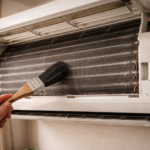
Regular cleaning of the outdoor unit and maintaining clear space around it can restore performance significantly. It’s one of those simple maintenance habits that people ignore until problems appear.
Faulty Compressor or Electrical Problems
The compressor is the heart of your air conditioning system. If it fails, cooling stops—completely or partially.
Compressor issues often start subtly. You might hear unusual noises, notice inconsistent cooling, or experience sudden shutdowns. Electrical faults like capacitor failure or wiring issues can also disrupt compressor function.
I’ve worked with systems where the compressor would start but not sustain operation. The result? Weak cooling that gets worse over time.
Unlike filters or cleaning, this is not something you can fix on your own. It requires professional diagnosis and repair. In some cases, replacing the compressor might be necessary, especially in older units.
Improper AC Size or Installation Issues
Even a brand-new air conditioner won’t cool properly if it’s the wrong size for the space. This is a surprisingly common problem.
An undersized unit struggles to cool the room, running continuously without achieving the desired temperature. On the other hand, an oversized unit cools too quickly but fails to remove humidity, leaving the air uncomfortable and sticky.
Installation quality matters just as much. Poor ductwork, incorrect placement, or bad sealing can reduce efficiency drastically. I’ve seen installations where cool air leaked before even reaching the room.
Choosing the right capacity and ensuring proper installation can make the difference between constant frustration and perfect cooling.
Extreme Weather and Environmental Factors
Sometimes the problem isn’t your AC—it’s the environment pushing it beyond its limits. Extremely high outdoor temperatures can reduce cooling efficiency, especially in older or low-capacity units.
Direct sunlight hitting the unit or poor insulation inside the house can also make cooling harder. Rooms with large windows, thin walls, or heat-generating appliances tend to stay warmer despite AC use.
I’ve noticed that even a well-functioning AC can struggle during peak afternoon heat if the room isn’t insulated properly. Curtains, blinds, and basic insulation can help reduce heat load significantly.
Understanding these external factors helps set realistic expectations and improve overall cooling performance.
Final Thoughts: Fix the Root Cause, Not Just the Symptoms
Cooling issues rarely come from a single dramatic failure. Most of the time, it’s a combination of small inefficiencies building up over time.
If your air conditioner is not cooling, start with the basics—filters, settings, and airflow. Then move toward deeper issues like refrigerant levels and mechanical faults if needed. Taking a step-by-step approach saves both money and frustration.
Don’t wait until the system completely fails. Regular maintenance and early troubleshooting can keep your AC running efficiently for years. Fix the cause, not just the symptom—and you’ll feel the difference instantly.