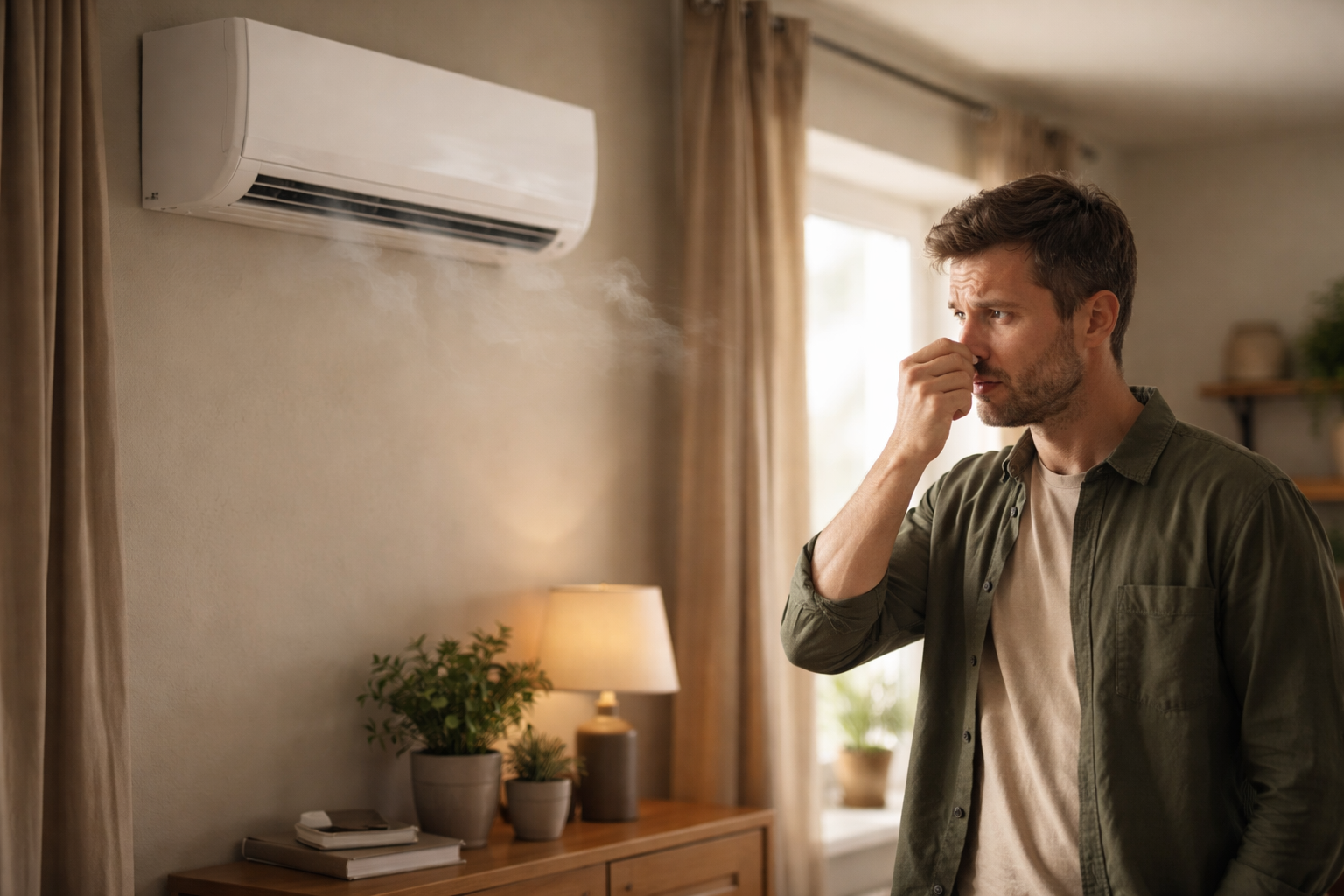
A strange smell from your air conditioner is often the first sign that something inside your system isn’t working as it should. I’ve seen this happen countless times—what starts as a faint musty odor can quickly turn into a strong, unpleasant smell that spreads through the entire home. It’s not just annoying; it’s a warning signal you shouldn’t ignore.
The truth is, when you’re asking why does my air conditioner smell bad, you’re dealing with a mix of moisture, bacteria, and sometimes even mechanical issues. Mold growth, clogged drain lines, dirty filters, and stagnant water are just a few common culprits. And if left unchecked, these problems don’t just affect air quality—they can also impact your health and system efficiency.
In this guide, I’ll break down exactly what causes those odors, how to identify them, and what you can do to fix and prevent them. By the end, you’ll understand your AC system much better—and more importantly, how to keep it smelling clean and fresh year-round.
What That Bad Smell Actually Means
A bad smell coming from your air conditioner is rarely random. It’s usually a sign that your system is dealing with moisture buildup, trapped debris, or bacterial growth. In my experience, most odors fall into a few common categories, each pointing to a different underlying issue.
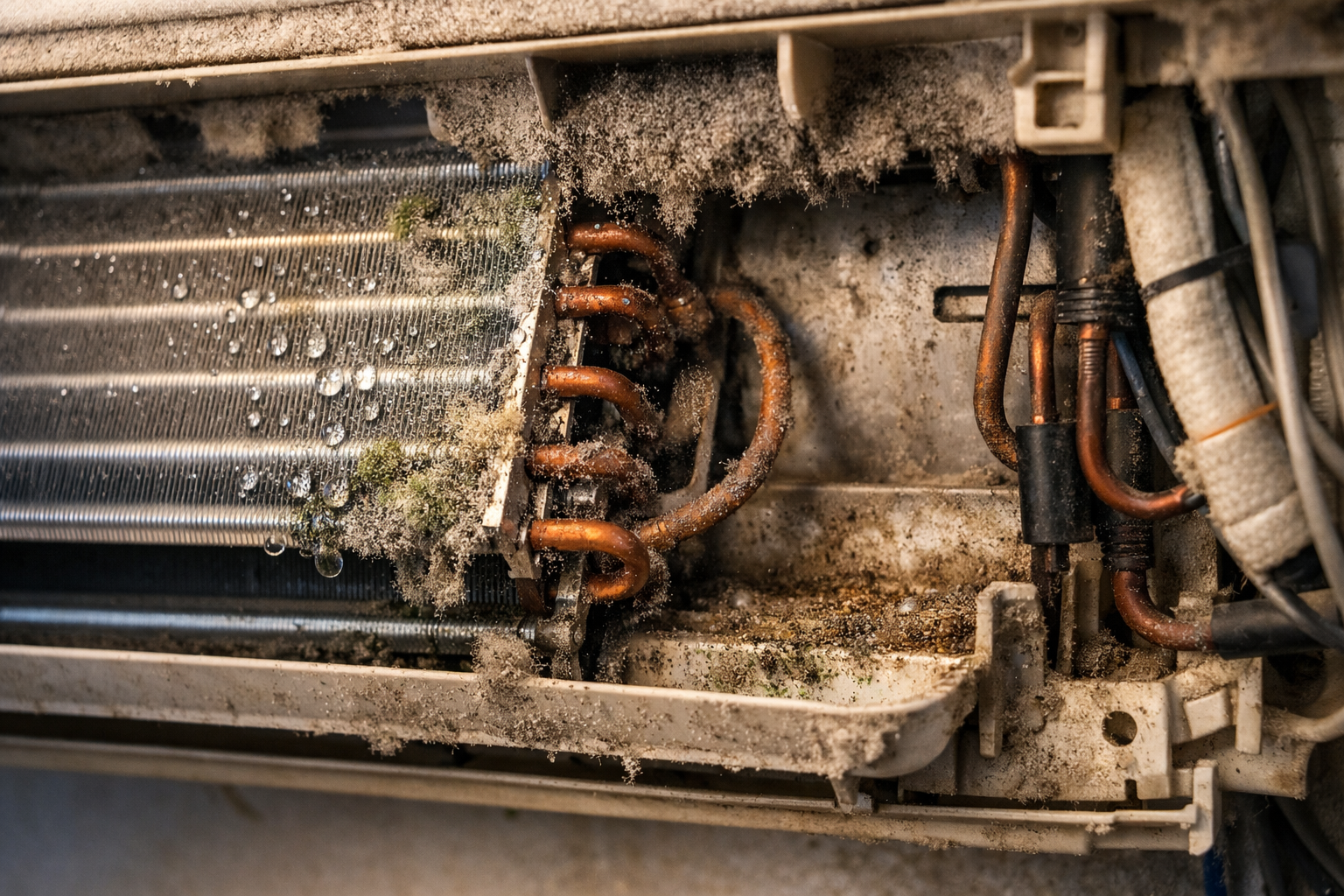
A musty or “dirty sock” smell typically indicates mold or mildew inside the unit. This often happens when moisture gets trapped in the evaporator coils or drain pan, creating the perfect environment for microbial growth. If the smell gets stronger when the AC turns on, that’s a strong clue.
A burning or electrical smell is more serious. It can signal overheating components, wiring issues, or a failing motor. This type of odor should never be ignored, as it can lead to equipment damage or even fire hazards.
Then there’s the sewage-like or rotten smell. This usually points to a clogged or dry drain line that’s allowing gases to back up into the system. It’s less common, but when it happens, it’s very noticeable—and unpleasant.
Understanding the type of smell is the first step toward solving the problem effectively.
Dirty Air Filters and Dust Buildup
One of the most overlooked causes behind a bad-smelling air conditioner is something incredibly simple: a dirty air filter. I’ve seen systems that haven’t had a filter change in months, and the result is always the same—restricted airflow and trapped debris.
When dust, pollen, and airborne particles accumulate in the filter, they start to break down and develop odors over time. Every time the AC runs, that smell gets pushed into your living space. It’s subtle at first, but it builds up quickly.
A clogged filter also reduces airflow, which can cause the evaporator coil to get colder than it should. This can lead to moisture buildup and, eventually, mold growth—another major source of unpleasant odors.
Replacing your filter regularly is one of the easiest and most effective ways to keep your system smelling fresh. It’s a small habit, but it makes a huge difference in both air quality and system performance.
Mold and Mildew Inside the System
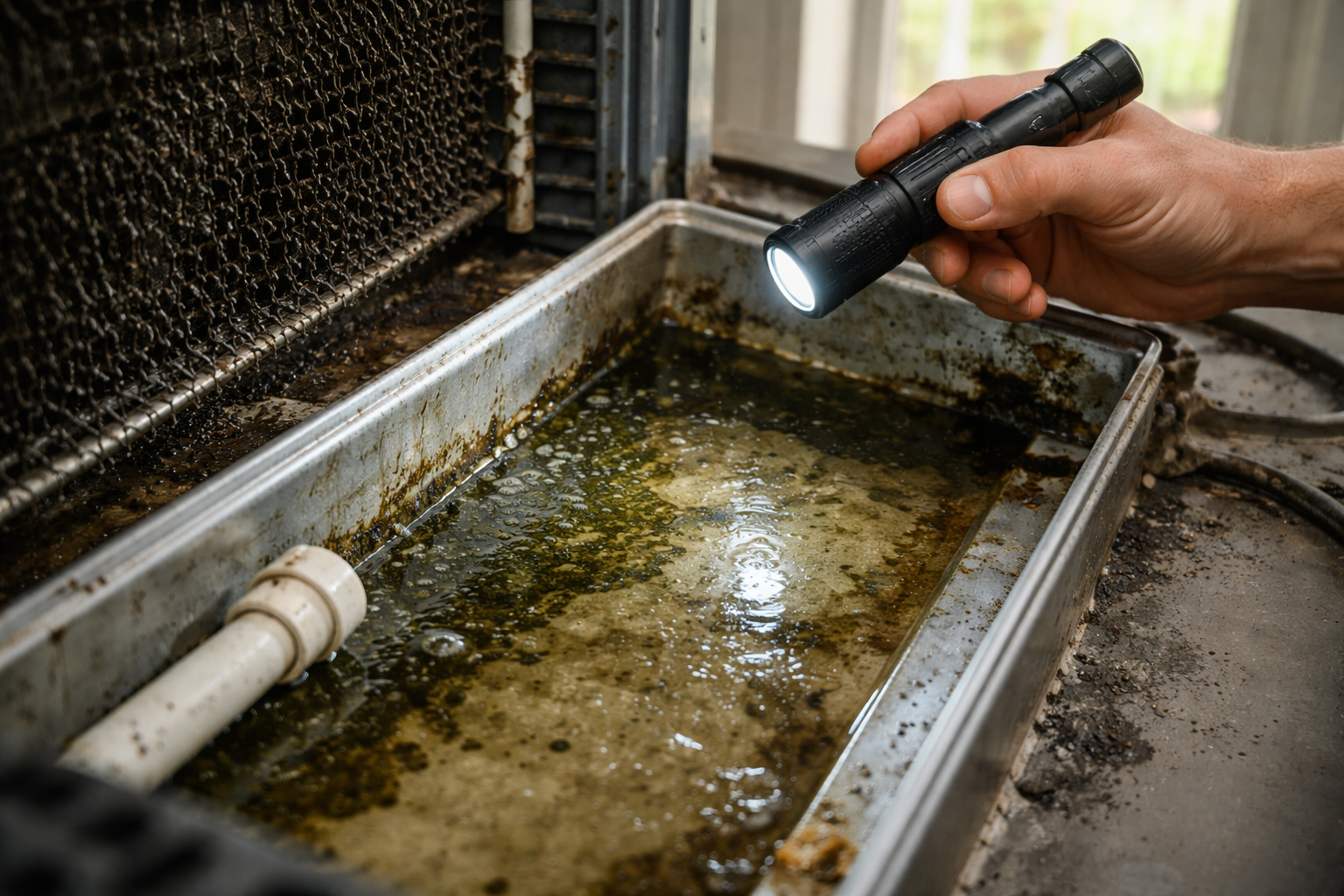
Mold is probably the most common answer when people ask why their air conditioner smells bad. Air conditioners naturally produce condensation, and when that moisture doesn’t drain properly, it becomes a breeding ground for mold and mildew.
The evaporator coil is often the main culprit. This component gets very cold during operation, causing moisture from the air to condense on its surface. If the area stays damp and dark, mold spores can thrive quickly.
Another hotspot is the drain pan and drain line. If the drain line becomes clogged, water can sit in the pan for extended periods. That stagnant water doesn’t just smell bad—it also encourages bacterial growth.
I’ve also seen cases where mold spreads inside ductwork, especially in older systems. Once that happens, the smell can circulate throughout the entire home, making it much harder to eliminate without professional cleaning.
Clogged or Dirty Drain Line Issues
The condensate drain line plays a crucial role in removing moisture from your air conditioner. When it gets clogged, water backs up into the system—and that’s when problems begin.
A blocked drain line can trap standing water in the drain pan. Over time, this water becomes stagnant, leading to foul odors. In some cases, you might even notice water leaking from the indoor unit.
I’ve found that algae, dirt, and debris are the most common causes of drain line blockages. In humid environments, algae can grow surprisingly fast inside the line, restricting water flow.
When airflow is restricted and water cannot drain properly, it creates the perfect environment for bacteria and mold. That’s when the bad smell becomes noticeable.
Cleaning or flushing the drain line is often enough to solve the problem, but in severe cases, professional maintenance may be needed.
Electrical and Mechanical Smells
Not all AC smells are related to dirt or moisture. Some odors come from electrical or mechanical issues, and these should always be taken seriously.
A burning smell could indicate overheating wires, a failing capacitor, or a motor that’s struggling to function properly. These problems can escalate quickly if ignored.
In some cases, a rubber or plastic burning smell may come from worn-out belts or components rubbing against each other. This usually means something inside the system is under stress or misaligned.
I always tell people: if the smell reminds you of something burning, turn off the system and inspect it—or call a technician. It’s not something to “wait and see.”
Ignoring these smells can lead to costly repairs or even complete system failure. Acting quickly is the safest approach.
Poor Maintenance Habits That Cause Odors
One of the biggest reasons air conditioners start to smell bad is simple neglect. When systems aren’t maintained properly, small issues slowly turn into bigger problems.
Skipping routine maintenance allows dirt, dust, and moisture to accumulate inside the system. Over time, this buildup leads to bacteria, mold, and unpleasant odors.
I’ve noticed that many homeowners forget about regular servicing until something goes wrong. By that point, the smell is already strong, and cleaning becomes more involved.
Another common mistake is ignoring minor issues like weak airflow or small leaks. These early warning signs often indicate that something inside the system needs attention.
Regular maintenance not only prevents odors but also improves efficiency, extends the life of your unit, and keeps your indoor air clean and healthy.
How to Fix and Prevent Bad AC Smells
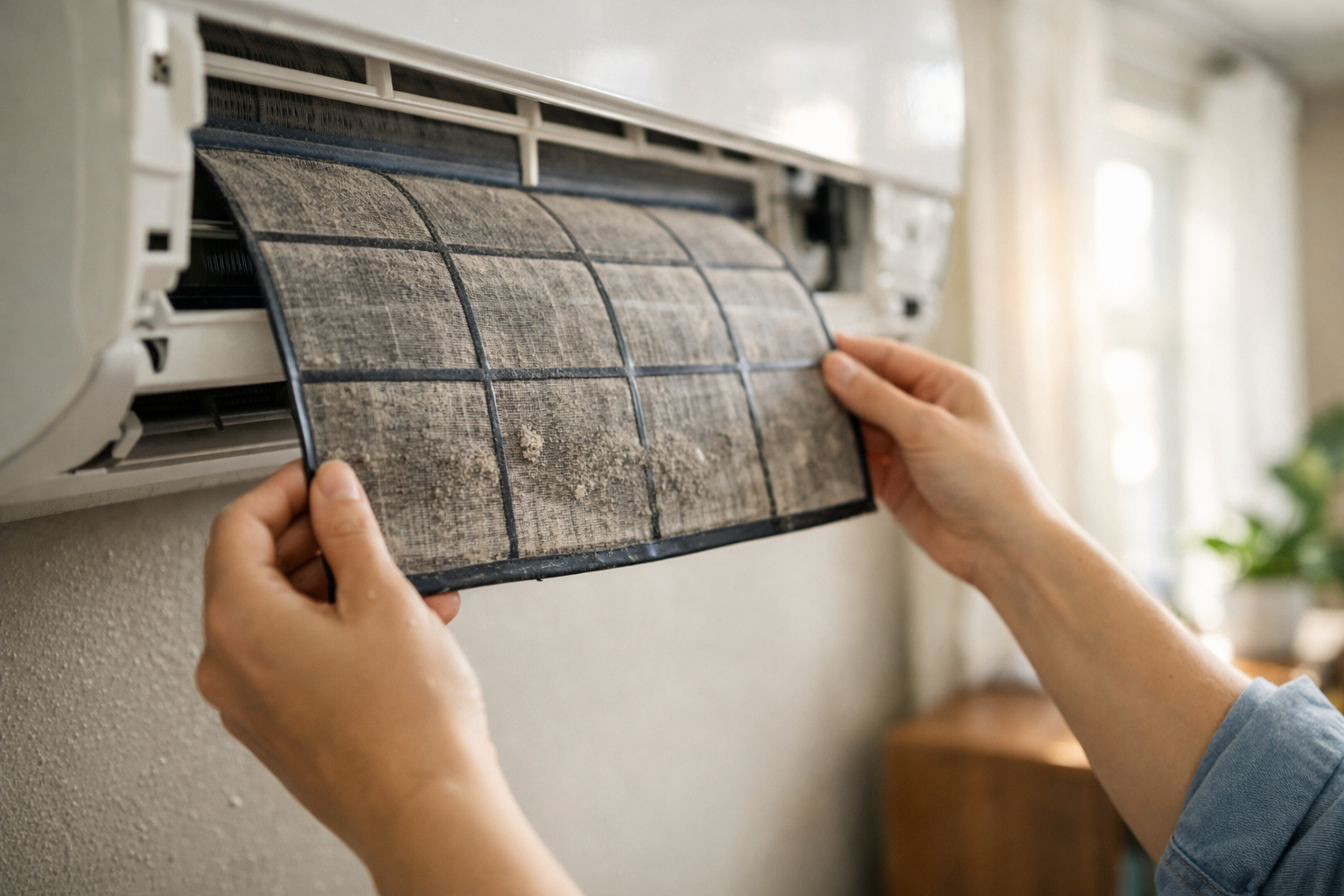
The good news is that most AC odors can be fixed—and prevented—with consistent care and attention. Start with the basics: replace your air filter regularly and keep the system clean.
Flushing the drain line every few months can help prevent clogs and algae buildup. Keeping the drain pan clean and dry also reduces the chances of mold growth.
If you notice persistent smells, a deeper cleaning of the evaporator coil or ductwork might be necessary. In some cases, professional HVAC cleaning is the best solution.
Preventing odors is much easier than fixing them. Simple habits like scheduling annual maintenance, checking for leaks, and ensuring proper airflow go a long way.
A well-maintained air conditioner doesn’t just smell better—it works better, lasts longer, and keeps your home comfortable and safe.
Final Thoughts / Key Takeaways
A bad smell coming from your air conditioner is more than just a nuisance—it’s a signal that something needs attention. Whether it’s mold, a clogged drain line, or a dirty filter, each odor points to a specific issue that can be resolved with the right approach.
The key is to act early. Regular maintenance, proper cleaning, and quick responses to unusual smells can save you from costly repairs and health concerns. I’ve seen systems go from heavily contaminated to fresh and efficient again with just a bit of consistent care.
If your AC smells bad right now, start with the simple fixes. Check your filters, inspect for moisture buildup, and listen to what your system is telling you. A clean, odor-free air conditioner isn’t just possible—it’s completely achievable with the right habits.