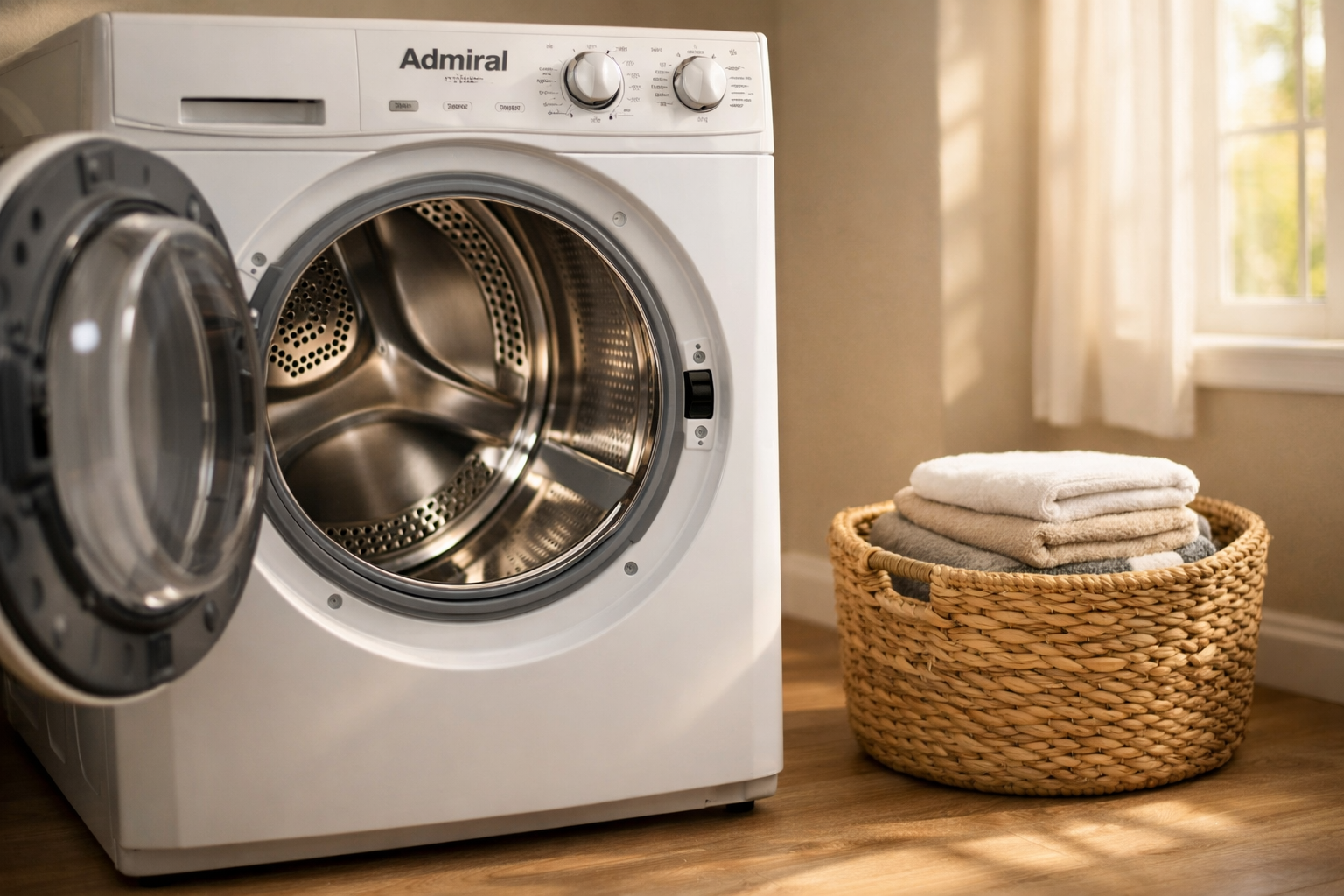
Have you ever tossed a load of laundry into your Admiral dryer, only to have it come out damp or overheated? If so, you’re not alone! Admiral clothes dryers are reliable appliances, but like any machine, they can develop problems that disrupt your laundry routine.
I’ve faced this myself—watching a favorite shirt shrink while the dryer hums away, ignoring my frustrations. The good news is that many issues can be identified and fixed at home. From faulty sensors and clogged vents to heating element failures, understanding what goes wrong is half the battle.
In this guide, I’ll walk you through Admiral clothes dryer repair, step by step. You’ll learn how to troubleshoot common problems, perform practical DIY fixes, and know when it’s time to call a professional. By the end, you’ll feel confident diagnosing and repairing your dryer, saving both time and money while keeping your laundry running smoothly.
Common Issues with Admiral Clothes Dryers
Admiral dryers are generally durable, but they’re not immune to common appliance issues. One of the most frequent problems is a dryer that won’t start. Sometimes it’s as simple as a blown fuse or tripped circuit breaker, while other times the start switch or door latch may be at fault. I once found a friend’s dryer wouldn’t start, and a quick replacement of the door switch fixed it immediately.
Another typical issue is uneven drying or clothes coming out damp. This is often caused by a clogged lint filter or vent, restricting airflow. Less obvious causes include faulty moisture sensors or a failing heating element. I remember cleaning a vent packed with lint; the dryer went from leaving towels wet to perfectly dry within one cycle.
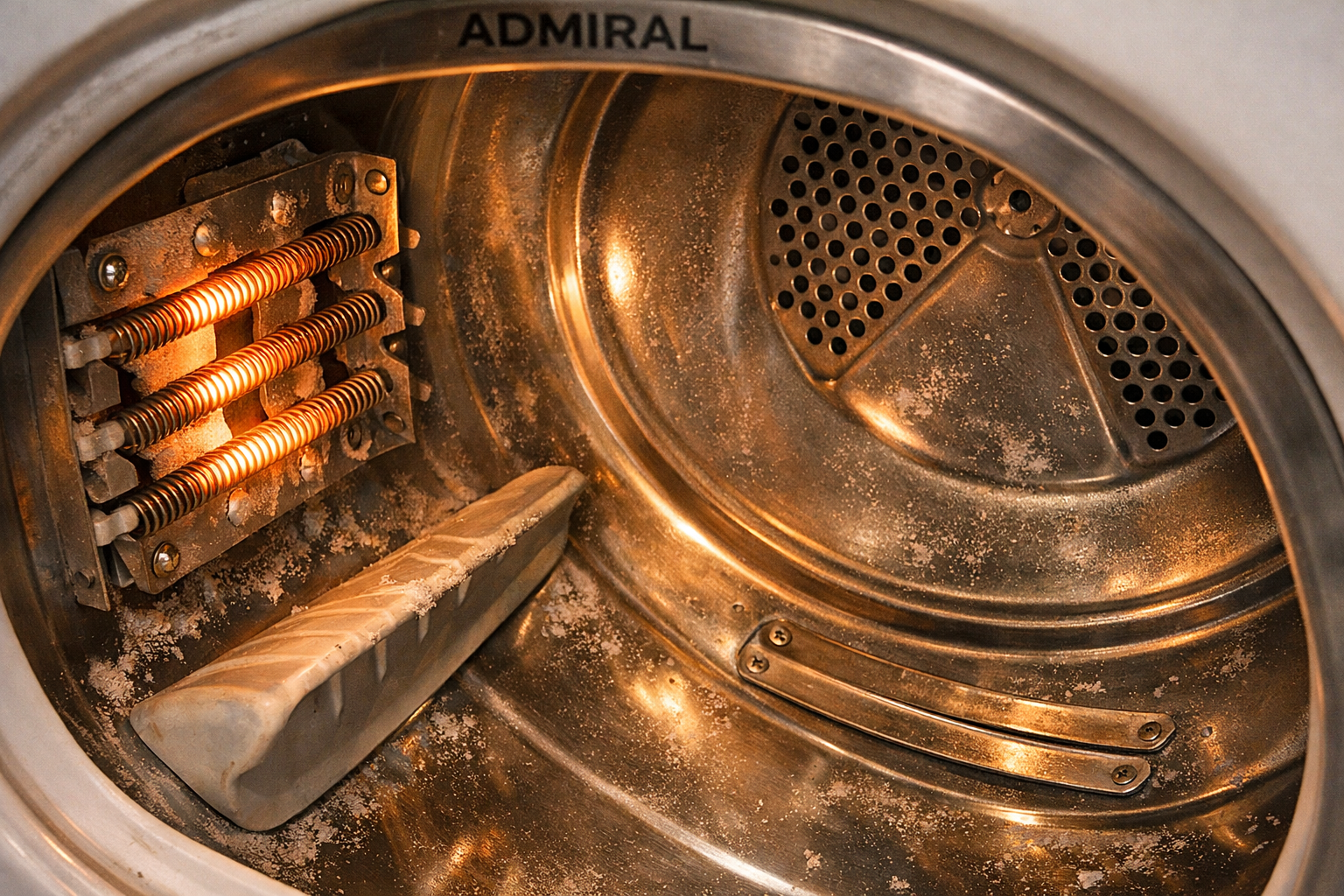
Heating problems are also common. If your dryer runs but clothes remain wet, the heating element or thermostat may be defective. Older Admiral models sometimes develop wiring issues due to wear and tear. Spotting the signs early, like unusual smells or inconsistent heat, can prevent more serious damage later.
Finally, strange noises such as rattling or squeaking often indicate worn drum rollers, idler pulleys, or bearings. Ignoring these sounds can lead to more costly repairs, so it’s always best to inspect and address them promptly.
Diagnosing Your Dryer Step by Step
Before attempting any repair, a proper diagnosis is crucial. Start by observing the dryer during a cycle. Take note of any error codes, unusual noises, or irregular heating patterns. Admiral models often provide visual indicators or blinking lights that point to specific issues, making diagnosis easier.
Next, check the basics. Ensure the dryer is plugged in, the circuit breaker is active, and the door is fully closed. These simple steps save time and prevent unnecessary repairs. In one instance, a dryer that seemed dead simply had a loose power cord connection.
Inspect the lint filter and vent system for blockages. Even partial obstructions can reduce airflow, causing longer drying times or overheating. A quick visual and physical check often identifies these issues before more invasive repairs are needed.
For technical problems like heating failures, moisture sensor malfunctions, or electrical faults, using a multimeter to test continuity can pinpoint the defective component. Safety is paramount—always disconnect the dryer from power before conducting any tests.
Finally, consider the dryer’s age. Older Admiral models may have multiple worn parts, making targeted repairs less effective. Knowing when to replace components versus considering a new appliance is part of a smart repair strategy.
DIY Repairs You Can Try at Home
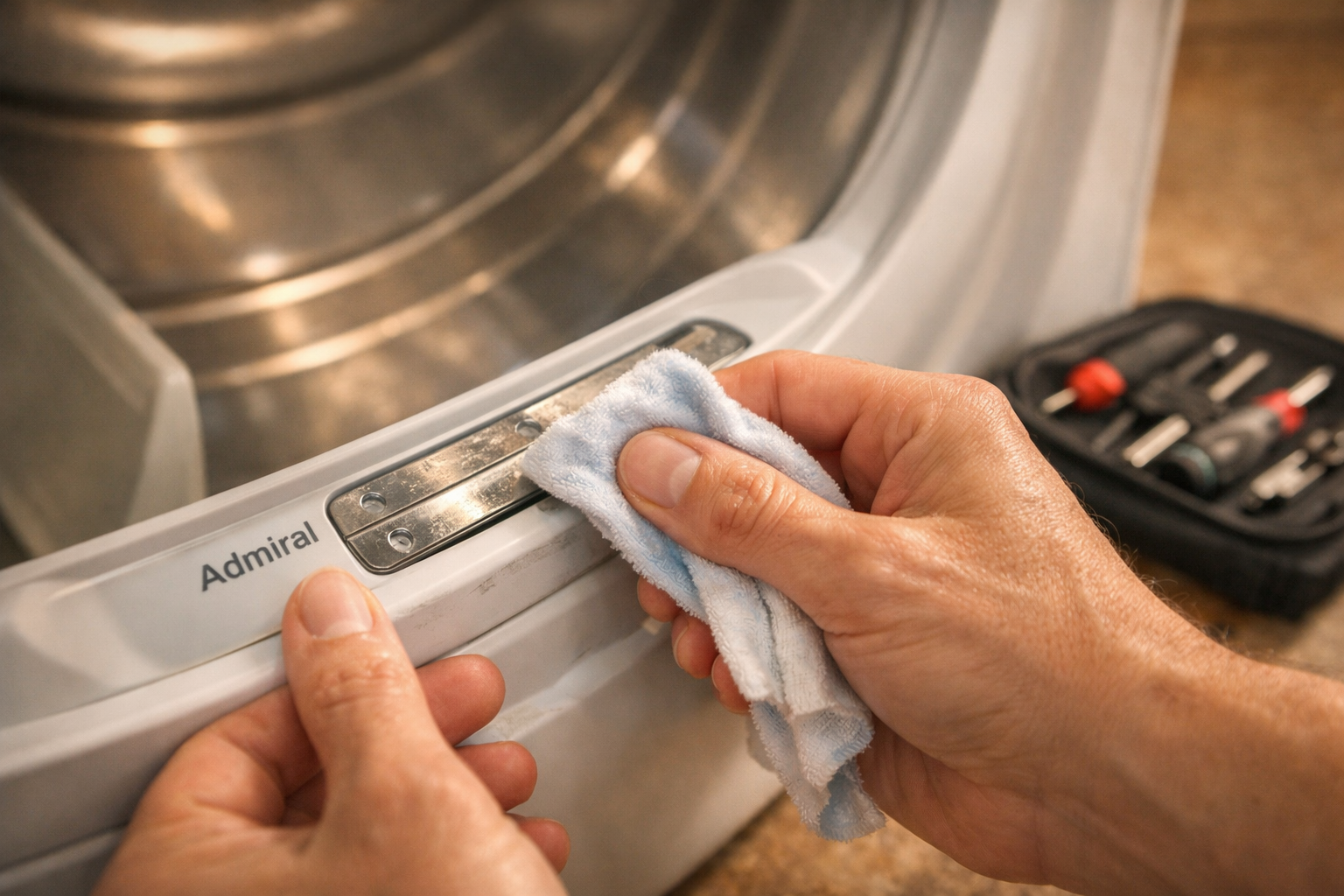
Many Admiral dryer problems can be fixed without professional help. Cleaning the lint trap and vent is the easiest and most effective maintenance task. Even mild buildup can cause overheating or uneven drying. I personally recommend a quarterly check if you run frequent loads.
Replacing a faulty door switch, belt, or drum roller is often straightforward with model-specific parts. Most Admiral units have accessible screws and panels, allowing careful removal and replacement of worn components. Using genuine OEM parts ensures proper fit and function.
Cleaning or replacing moisture sensors can restore drying efficiency. Over time, detergent residue or fabric softener coatings may prevent accurate readings. I once cleaned sensor strips in a friend’s dryer with rubbing alcohol, and it immediately improved drying times.
Resetting the dryer’s electronic control board can resolve minor glitches in newer models. Unplug the unit for a few minutes, then restart a cycle to recalibrate sensors and timers. This simple step often resolves erratic behavior without replacing components.
Finally, lubricating moving parts like rollers or pulleys with manufacturer-approved oils can reduce noise and extend lifespan. I’ve found a little maintenance goes a long way in keeping older dryers functional.
When to Call a Professional
Not all dryer issues are safe or practical to repair at home. Electrical failures, complex control board problems, and major heating element replacements often require a certified technician. Attempting advanced repairs without expertise can worsen the problem or void warranties.
If your dryer shows repeated error codes, emits smoke, or has persistent heating issues, it’s time to call a professional. They can test electrical circuits, replace hard-to-access parts, and ensure your dryer operates safely. I once tried to bypass a faulty heating element on an Admiral model, only to realize the control board was also compromised. A professional fix was the safest solution.
Certified appliance repair specialists can also perform preventative maintenance, checking for hidden wear and tear. This helps extend your dryer’s lifespan and prevents unexpected breakdowns. When in doubt, professional inspection is always the safest route.
Maintenance Tips to Avoid Future Repairs
Prevention is key. Regularly clean lint traps and vents to maintain airflow and prevent overheating. Using appropriate detergent amounts reduces residue buildup, keeping moisture sensors responsive.
Inspect your dryer for signs of wear, such as unusual noises, uneven drum rotation, or inconsistent heating. Addressing small issues early prevents costly repairs. For older Admiral units, consider replacing worn belts, rollers, or electrical components before failure.
Ensure your dryer is placed on a level surface, as uneven installation can cause drum misalignment and additional stress on moving parts. Also, avoid overloading the dryer, as this can strain the motor, sensors, and heating elements.
Lastly, keep a small log of repairs and maintenance tasks. Tracking cleaning, part replacements, and professional servicing helps you anticipate future issues and manage your dryer’s lifespan effectively.
Conclusion
Repairing an Admiral clothes dryer doesn’t have to be overwhelming. Many common problems, like door switch failures, clogged vents, or faulty sensors, can be addressed at home with simple tools and careful observation. Regular maintenance, proper diagnostics, and timely professional intervention ensure your dryer continues running efficiently.
By understanding common issues, performing preventative care, and knowing when to call a professional, you can extend the life of your Admiral dryer and enjoy hassle-free laundry. Next time your dryer acts up, you’ll have the knowledge and confidence to fix it safely and effectively.