Most people assume all air conditioners draw similar power, but that’s far from reality. The truth is, the amps an air conditioner uses can vary dramatically depending on its size, type, and efficiency rating. I learned this the hard way when a small window unit unexpectedly tripped a breaker during peak summer heat.
Understanding how many amps air conditioners use isn’t just technical knowledge—it directly impacts your electricity bill, wiring safety, and even your home’s electrical capacity. A small 5,000 BTU unit might use under 5 amps, while a central system can pull 15–60 amps or more. That difference matters more than most homeowners realize.
In this guide, I’ll break everything down in simple terms. You’ll learn how to estimate amp usage, understand different AC types, and avoid common electrical mistakes. By the end, you’ll know exactly what your AC is doing behind the scenes—and how to keep it running safely and efficiently.
What Are Amps and Why They Matter for Air Conditioners
Amps, short for amperes, measure how much electrical current flows through a system. In simple terms, it tells you how much electricity your air conditioner is “pulling” at any moment.
When I first started working with home appliances, I used to think watts were the only thing that mattered. But amps are equally important because they determine how much load your electrical wiring and circuit breakers can handle. If your AC pulls too many amps, it can trip breakers or even cause wiring issues.
For air conditioners, understanding amps helps you avoid overloading circuits. It also helps you estimate power usage more accurately. Many homeowners overlook this and only focus on cooling capacity, but electrical load is just as critical for safety and efficiency.
How Many Amps Do Different Air Conditioners Use
Window Air Conditioners
Window air conditioners are typically the smallest and most energy-efficient units. They usually use between 3 and 8 amps, depending on their BTU rating.
For example, a 5,000 BTU unit might draw around 4–5 amps, while a larger 12,000 BTU unit can use closer to 8 amps. These are generally safe to run on a standard 15-amp household circuit, which is why they’re so popular in apartments and smaller homes.
I’ve personally seen cases where people overload a single circuit with multiple appliances along with a window AC, leading to frequent breaker trips. That’s a common mistake—and one that’s easy to avoid with proper planning.
Split Air Conditioners (Mini-Splits)
Split systems, also known as ductless mini-splits, are more efficient but slightly more powerful. Their amperage typically ranges from 5 to 20 amps.
These systems are designed with inverter technology, which allows them to adjust power usage based on cooling demand. That means they don’t constantly run at full amps like older units.
In my experience, a 1.5-ton mini-split might use around 10–12 amps during normal operation. However, startup (called inrush current) can temporarily spike higher, which is why proper circuit sizing is essential.
Central Air Conditioners
Central air conditioning systems are the largest and most power-hungry. They can use anywhere from 15 to 60 amps or more, depending on size and efficiency.
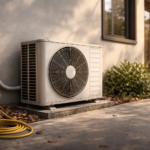
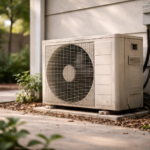
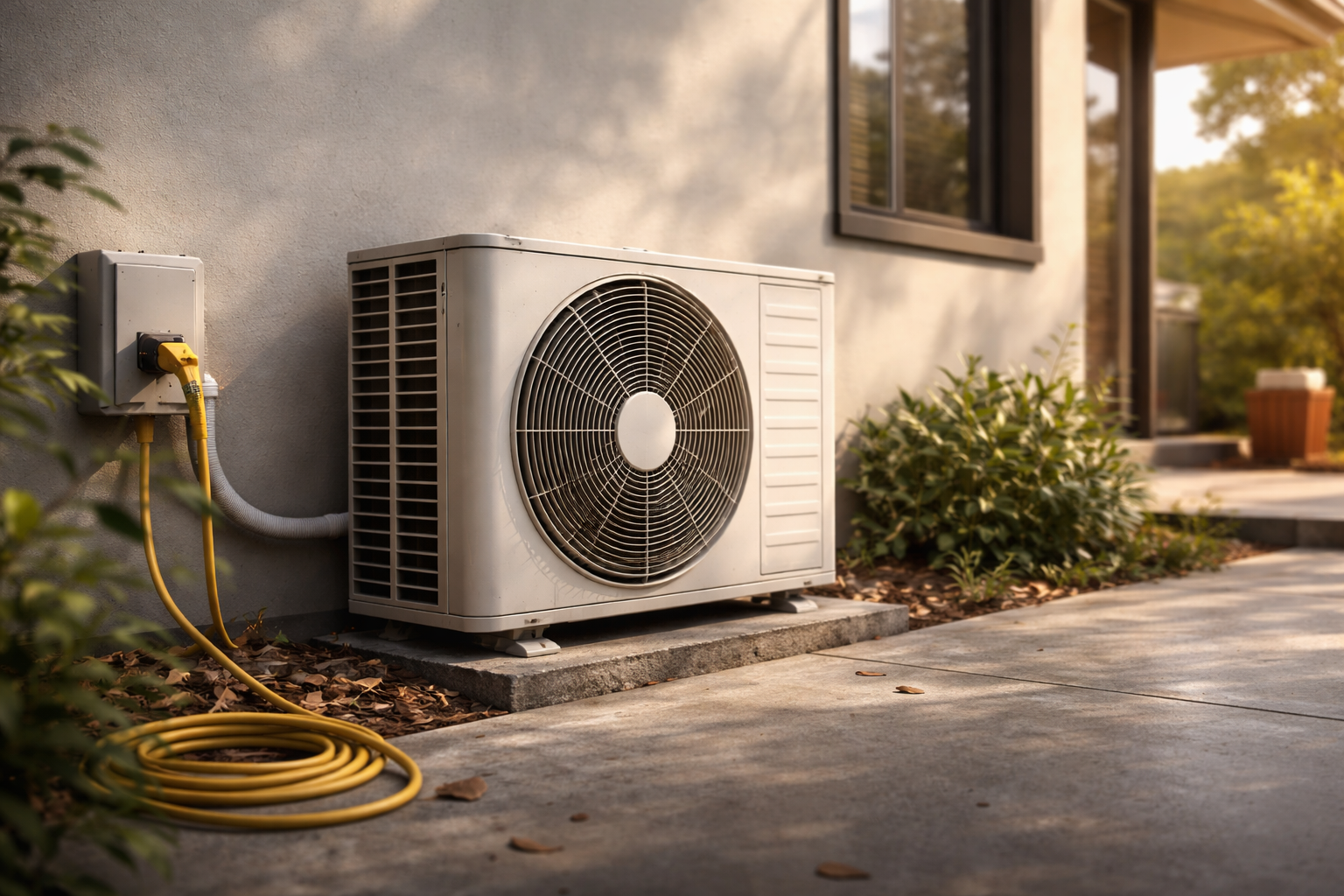
A typical residential system often runs on a dedicated 240V circuit. The outdoor condenser unit alone might draw 20–30 amps, while the entire system requires careful electrical setup to function safely.
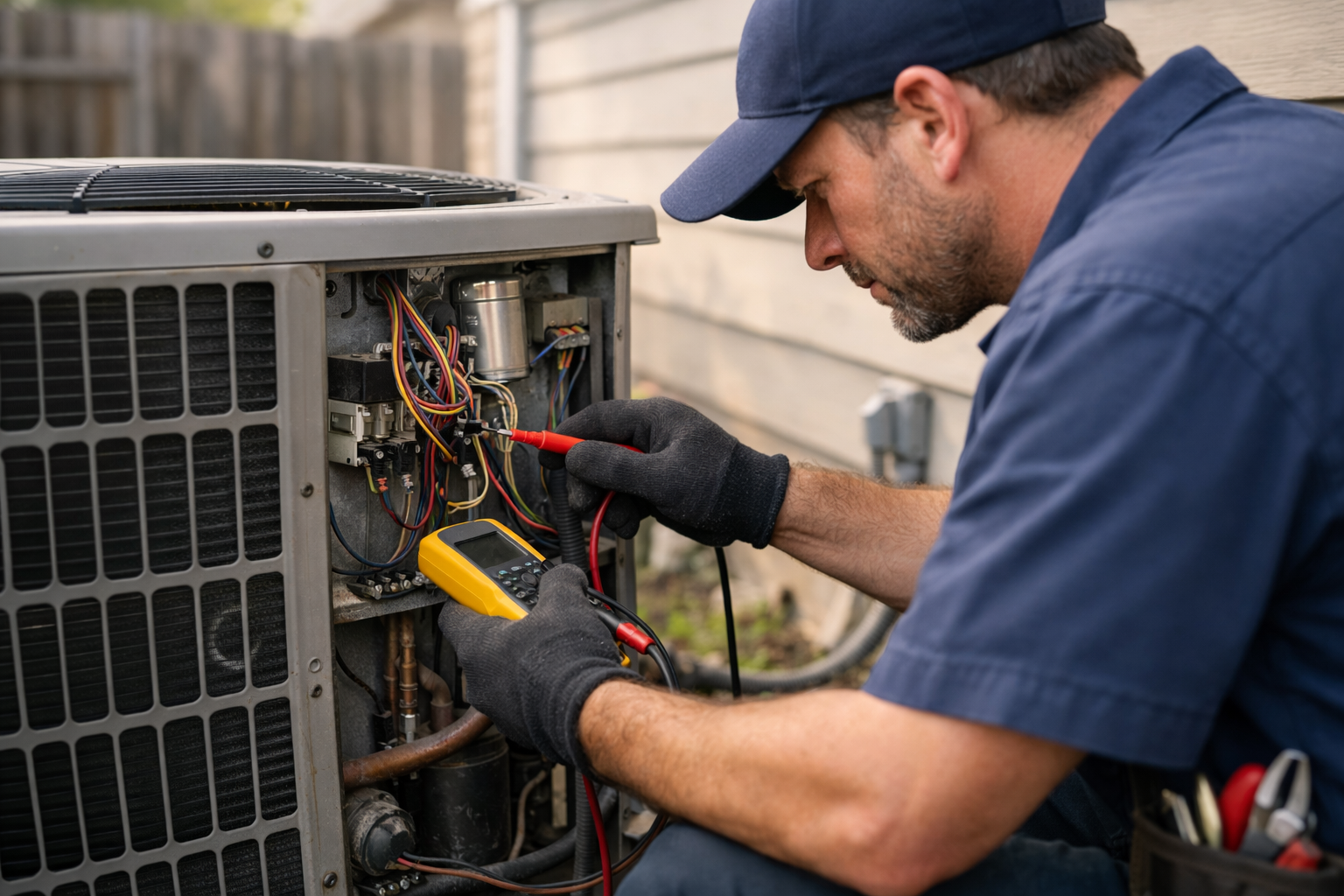
I once inspected a home where the central AC was improperly wired into a shared circuit. The result? Frequent tripping and even minor overheating of the wiring. This is why professional installation is critical for larger systems.
How to Calculate Air Conditioner Amps
Understanding how to calculate amps gives you more control over your energy usage. The basic formula comes from electrical principles.
You can estimate amps using the relationship between watts, volts, and amps. If you know the wattage of your air conditioner, you can divide it by voltage to estimate amperage. This is commonly used in residential systems operating at 120V or 240V.
For example, a 1,200-watt window AC running on 120V would use around 10 amps. This simple calculation helps you understand load distribution in your home.
While this method isn’t perfect due to efficiency variations, it gives a reliable estimate for planning electrical usage and avoiding overloads.
Factors That Affect How Many Amps Your AC Uses
Several variables influence how many amps your air conditioner consumes. One major factor is the size of the unit, often measured in BTUs or tons.
Larger units require more power to cool larger spaces. A 1-ton unit uses significantly fewer amps than a 3-ton system, for example.
Another important factor is efficiency rating, such as SEER (Seasonal Energy Efficiency Ratio). Higher SEER-rated systems use less electricity and therefore draw fewer amps for the same cooling output.
Temperature and usage patterns also play a role. On extremely hot days, your AC will run longer and may draw higher sustained amps. Dusty coils or poor maintenance can also increase electrical load because the system has to work harder to cool your home.
Common Mistakes Homeowners Make with AC Amps
One of the biggest mistakes I’ve seen is ignoring circuit capacity. Many people plug high-amp devices into circuits not designed to handle them, which can lead to overheating or breaker trips.
Another common issue is not accounting for startup amps. Air conditioners often draw more power when they first turn on. This surge can be 2–3 times higher than normal operating amps, especially in older units.
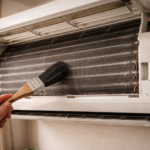
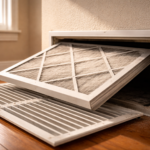
Skipping maintenance is another overlooked factor. Dirty filters, clogged coils, and poor airflow can increase energy consumption and amp draw. I’ve seen systems use noticeably more power simply because they weren’t cleaned regularly.
Why Knowing AC Amps Helps You Save Money
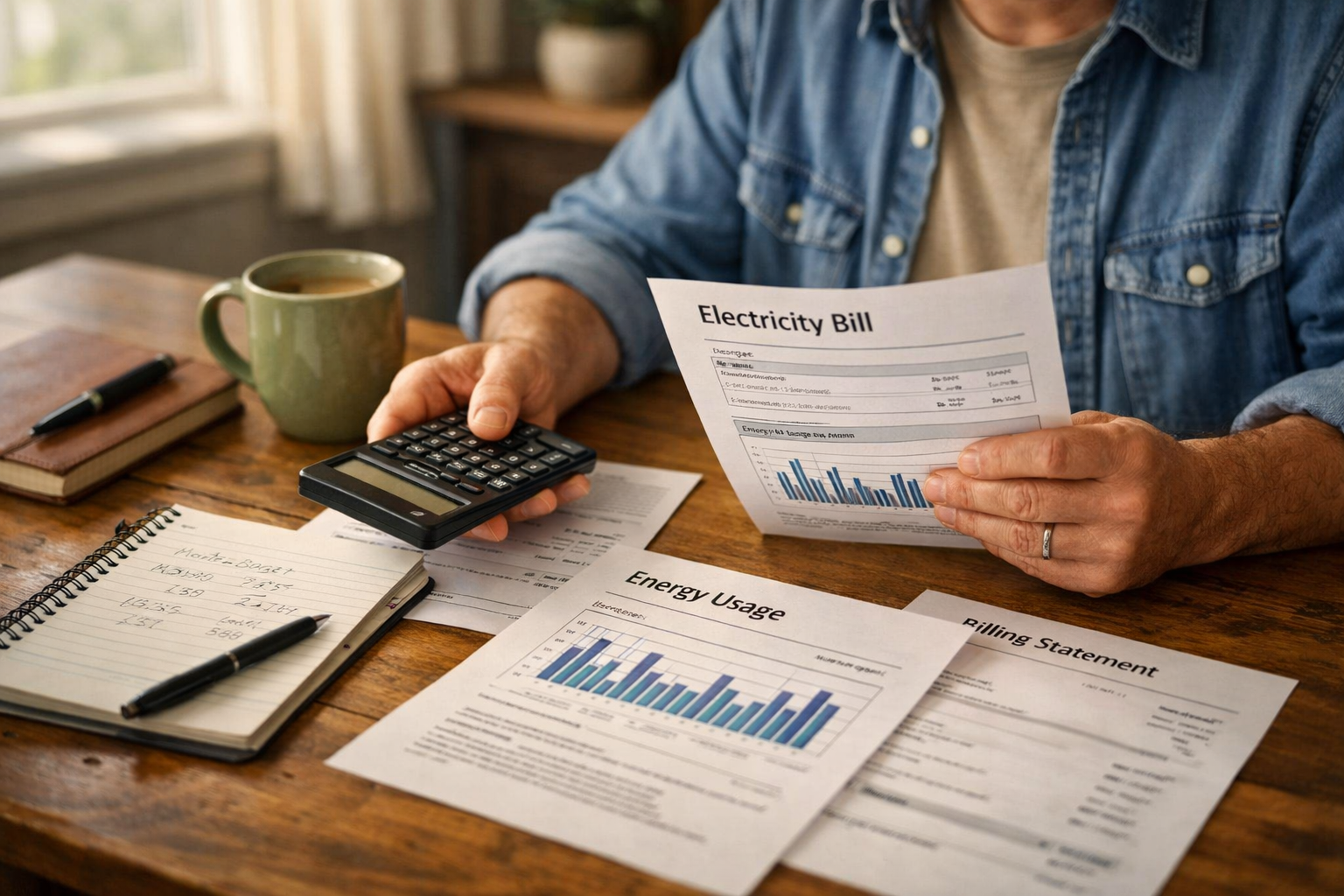
Understanding how many amps your air conditioner uses directly impacts your electricity bill. The more amps a system draws, the more energy it consumes over time.
If you monitor usage and choose energy-efficient systems, you can reduce unnecessary power consumption. For instance, upgrading to an inverter-based unit can significantly lower amp usage during partial load operation.
I’ve also noticed that homeowners who track their AC usage tend to be more mindful of their energy habits. Small adjustments—like adjusting thermostat settings or improving insulation—can reduce the need for high amp usage and ultimately save money.
Final Thoughts: Understanding AC Amps the Smart Way
Knowing how many amps air conditioners use isn’t just technical—it’s practical, financial, and safety-related. Whether you’re using a small window unit or a full central system, understanding electrical load helps you avoid problems before they happen.
The key takeaway is simple: match your AC to your electrical system, maintain it properly, and always account for amperage when making upgrades or repairs. Small awareness leads to big savings—and fewer headaches.
If you’re planning to install or upgrade an AC, take the time to check its amp requirements first. That one step can save you from costly mistakes down the road.