Buying a dishwasher sounds simple… until you actually start comparing models. I remember standing in a store, overwhelmed by dozens of options—different sizes, features, noise levels, and price tags. It felt like every model promised to be “the best,” but none clearly explained why!
So, what should you really focus on when choosing one? Understanding what to look for when buying a dishwasher can save you money, time, and frustration down the road. From energy efficiency and cleaning performance to smart features and long-term reliability, there are several factors that truly matter—and a lot of marketing noise you can safely ignore.
In this guide, I’ll break everything down in a practical, no-nonsense way. You’ll learn how to choose the right size, which features are actually useful, and what mistakes to avoid. Whether you’re upgrading or buying your first unit, this will help you make a confident decision. Let’s get into it!
Understanding Dishwasher Types and Sizes
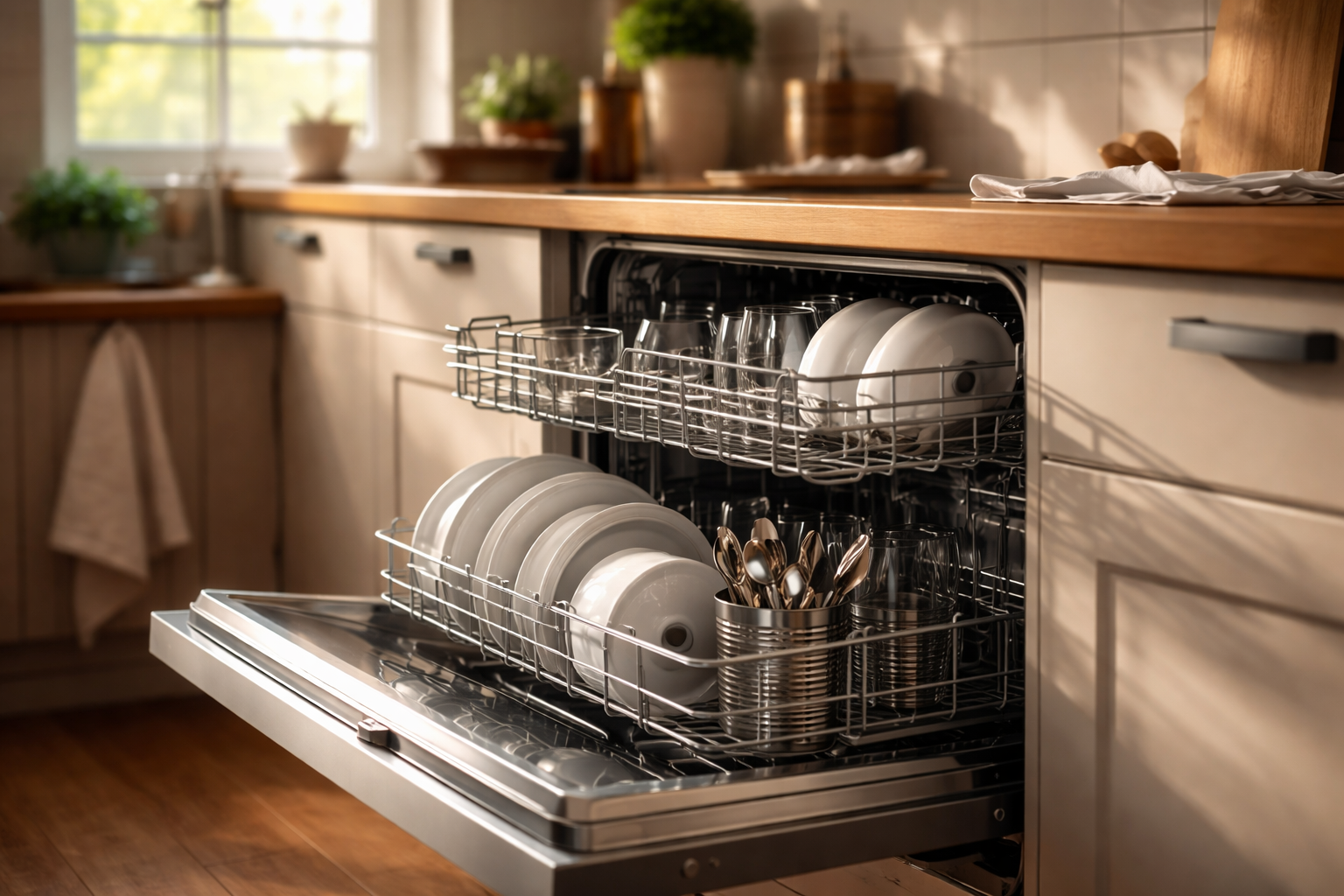
The first thing I realized when shopping for a dishwasher is that not all units are built the same. Size and type play a huge role in both performance and convenience. Standard built-in dishwashers are the most common, typically 24 inches wide, and ideal for families. Compact models, around 18 inches, are better suited for smaller kitchens or apartments.
If you don’t have space for a built-in unit, portable or countertop dishwashers can be a lifesaver. I’ve seen these work surprisingly well in tight spaces, though they come with limitations in capacity. It’s important to match the dishwasher size with your household needs rather than just going for what looks appealing.
Capacity also matters more than people think. A larger tub means fewer loads per week, which can save both water and electricity. When I upgraded to a slightly bigger model, I noticed an immediate improvement in convenience—it reduced how often I needed to run cycles.
Cleaning Performance: What Actually Matters

At the end of the day, a dishwasher’s main job is to clean dishes effectively. But not all machines perform equally. I learned this the hard way after buying a budget model that struggled with heavily soiled cookware.
Look for features like multiple spray arms, soil sensors, and targeted wash zones. These elements ensure better water distribution and more efficient cleaning. High-pressure jets can make a noticeable difference, especially for pots and pans.
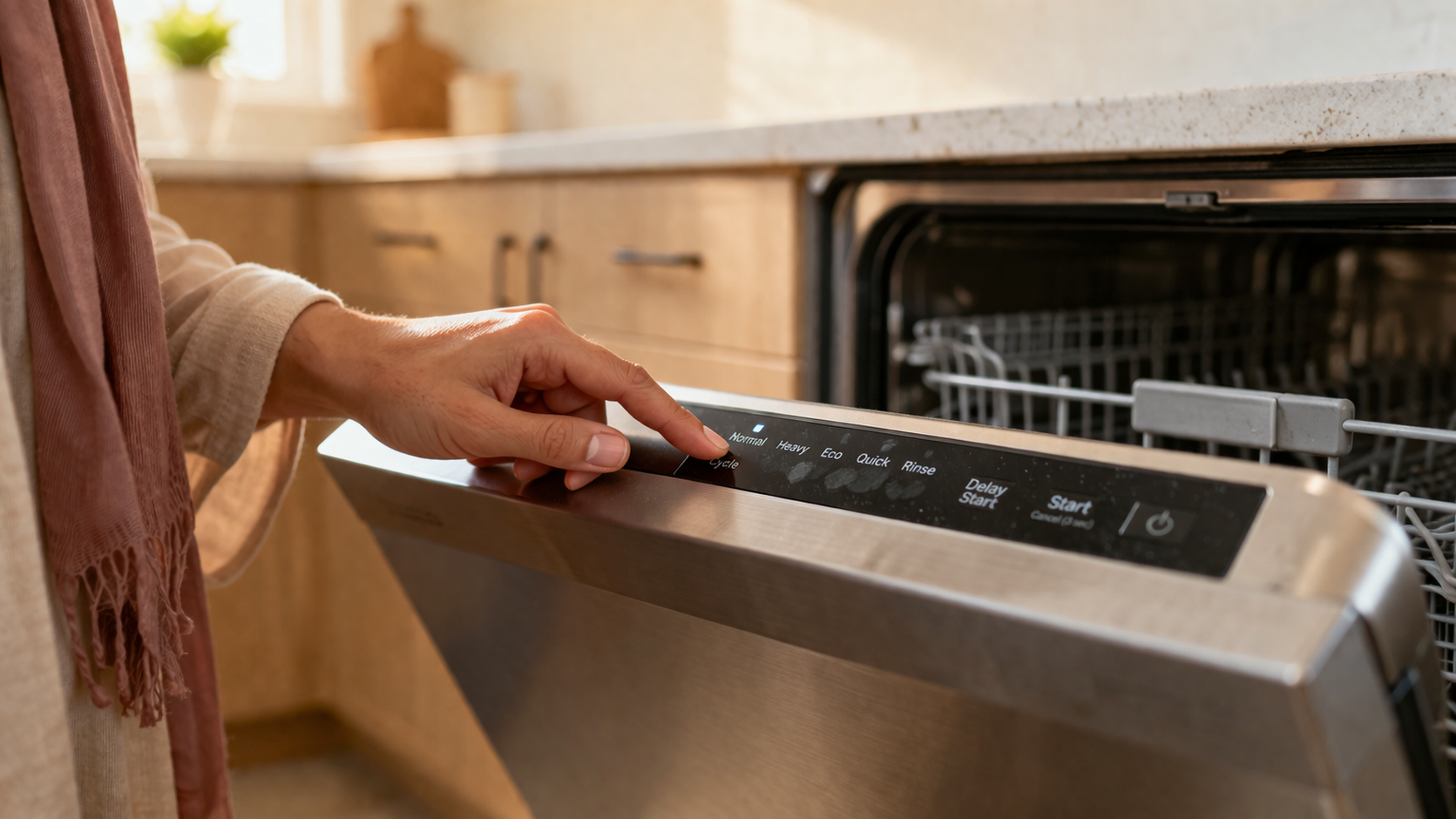
Another factor is cycle variety. While it’s tempting to rely on one standard cycle, having options like heavy, quick, and eco modes gives you flexibility. Over time, I realized that choosing the right cycle for the load significantly improves results without wasting energy.
Energy Efficiency and Water Usage
Energy efficiency isn’t just about saving the environment—it directly impacts your electricity bill. Modern dishwashers are far more efficient than older models, often using less water than handwashing. That was surprising to me when I first learned it!
Look for energy ratings and certifications. Efficient models use advanced sensors to adjust water temperature and cycle duration, reducing overall consumption. While they may cost more upfront, they often pay for themselves through lower utility bills over time.
Water usage is equally important. Some dishwashers use as little as 10 liters per cycle, while older models can use double that. Choosing a water-efficient model is especially important in areas where water conservation matters.
Noise Levels: Why Quiet Operation Matters
This is one feature I underestimated—until I owned a loud dishwasher. Noise levels are measured in decibels (dB), and even a small difference can feel significant in daily use.
A dishwasher operating at 40–45 dB is considered very quiet, while anything above 50 dB can be noticeable, especially in open-plan homes. If your kitchen is close to your living space, a quieter model can make a huge difference.
I personally upgraded to a quieter unit, and it completely changed my experience. I could run it at night without disruption, which also allowed me to take advantage of off-peak electricity rates.
Key Features Worth Paying For
Modern dishwashers come with a wide range of features, but not all of them are necessary. I’ve learned that focusing on practical features delivers the best value. Adjustable racks, for example, are incredibly useful when loading large pots or tall glasses.
Smart features like Wi-Fi connectivity can be convenient, but they’re not essential for everyone. What matters more is reliability and ease of use. Delayed start options, half-load settings, and efficient drying systems are features that genuinely improve everyday use.
Another underrated feature is a good filtration system. It helps maintain water cleanliness and ensures consistent performance over time. Investing in these practical features often delivers better long-term satisfaction than flashy add-ons.
Drying Technology Explained
Drying performance varies widely between models. Some use heated drying, while others rely on condensation drying. Each has its pros and cons, but I’ve found that combining rinse aid with a good drying system produces the best results.
Build Quality and Durability
A dishwasher is a long-term investment, so build quality matters. Stainless steel interiors are generally more durable and resistant to stains compared to plastic tubs. When I switched to a stainless steel model, I noticed better heat retention and improved drying performance.
Pay attention to the quality of racks, hinges, and controls. These components experience daily wear and tear, so they should feel sturdy and well-built. A cheap build might save money upfront but can lead to repairs or replacements sooner than expected.
Brand reputation and warranty also play a role. Choosing a reliable brand with good customer support can make a big difference if something goes wrong. It’s one of those factors you appreciate more after purchase than before.
Installation and Space Considerations
Before buying a dishwasher, it’s essential to measure your available space carefully. I’ve seen people overlook this step and end up with units that don’t fit properly. Taking accurate measurements can prevent unnecessary headaches.
Consider plumbing and electrical requirements as well. Built-in dishwashers may require professional installation, while portable models are easier to set up. Understanding these requirements ahead of time helps you plan your purchase more effectively.
Door clearance and layout also matter. Make sure there’s enough room to open the dishwasher fully without blocking walkways or cabinets. These small details can have a big impact on daily usability.
Final Thoughts: How to Choose the Right Dishwasher
Choosing the right dishwasher comes down to understanding your needs and focusing on what truly matters. When you know what to look for when buying a dishwasher, the decision becomes much easier.
Prioritize cleaning performance, energy efficiency, and build quality. Don’t get distracted by unnecessary features that add cost without real value. Think about your household size, usage habits, and kitchen space.
In the end, the best dishwasher is the one that fits seamlessly into your lifestyle. Take your time, compare options, and make an informed choice. A well-chosen dishwasher doesn’t just clean your dishes—it simplifies your daily routine and saves you time every single day!