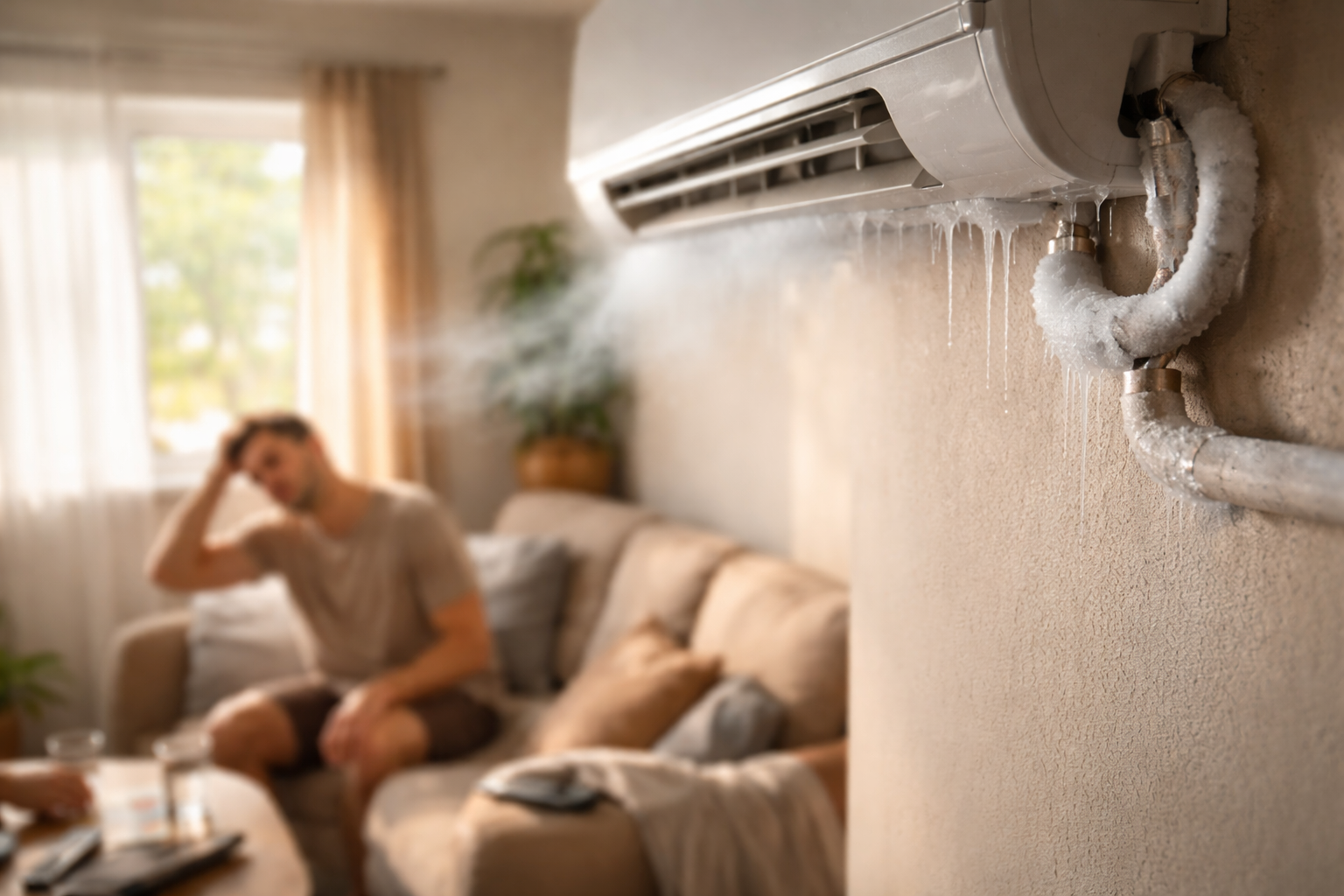
Ice forming inside an air conditioner during peak summer sounds completely backward, yet it happens more often than people expect. I’ve seen systems in 40°C heat literally turn into blocks of ice while the house stayed uncomfortably warm.
When your central AC freezes up, it’s not just a random glitch—it’s a clear warning sign that something in the system isn’t working as it should. The frustrating part is that the causes can range from simple airflow issues to deeper mechanical problems, and most homeowners don’t know where to start.
I’ve dealt with frozen evaporator coils, weak airflow, and refrigerant issues firsthand, and the pattern is always the same: small inefficiencies ignored for too long. In this guide, I’ll break down exactly why your central air conditioner freezes up, what it means for your cooling system, and how to fix it before it turns into an expensive repair.
Restricted Airflow Is the Most Common Cause
Air conditioners rely on steady airflow to keep temperatures balanced inside the system. When airflow drops, the evaporator coil gets too cold—and that’s when ice starts forming.
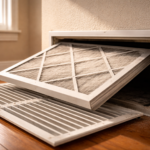
I’ve walked into homes where the AC was running nonstop but barely cooling anything. The issue wasn’t the unit itself—it was airflow being choked. Dirty air filters are the usual suspect. When dust and debris clog the filter, warm air can’t pass over the coil properly, causing the temperature to drop below freezing.
Blocked vents and closed registers can create the same problem. People often close vents in unused rooms thinking it saves energy, but it actually disrupts airflow balance. I’ve seen this mistake lead directly to frozen coils.
The fix here is simple but powerful. Regularly replacing filters and ensuring vents remain open allows your system to breathe. Once airflow is restored, the freezing usually stops almost immediately.
Low Refrigerant Levels and Hidden Leaks
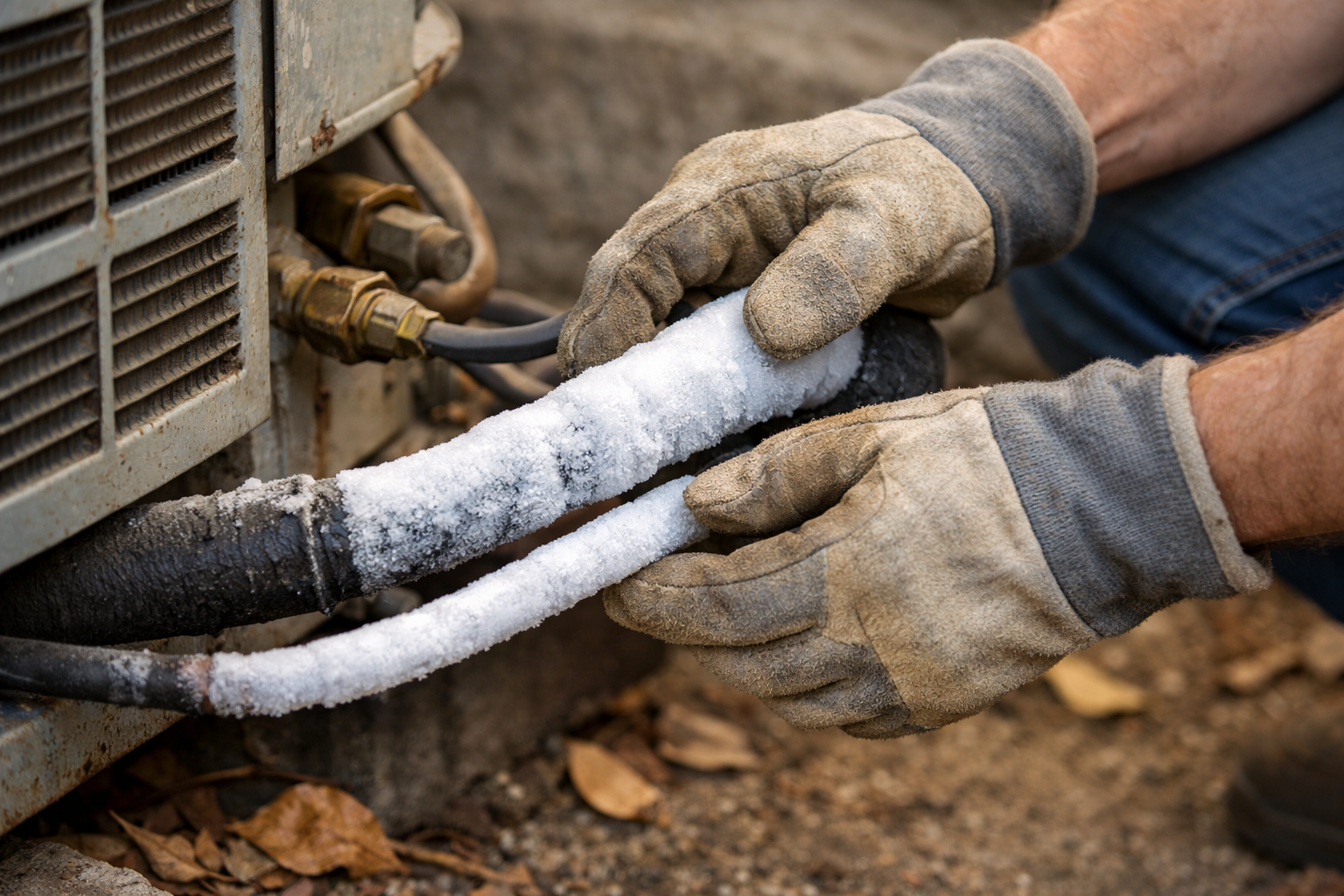
Refrigerant plays a critical role in absorbing heat from your indoor air. When levels drop, pressure inside the system changes—and that’s when temperatures can fall too low, causing ice buildup.
What many people don’t realize is that refrigerant doesn’t just “run out.” If it’s low, there’s almost always a leak somewhere. I’ve worked on systems where cooling slowly declined over months, only to discover a small leak that had been ignored.
A frozen AC caused by low refrigerant often shows specific signs. The air might feel slightly cool but not cold. Ice may form on the refrigerant lines or evaporator coil. Sometimes there’s even a faint hissing sound near the unit.
This is not a DIY fix. The system needs proper leak detection, repair, and a precise refrigerant recharge. Ignoring it only worsens the damage and reduces overall efficiency.
Dirty Evaporator Coils Disrupt Heat Absorption
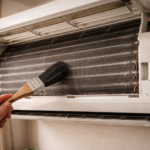
Even with good airflow and proper refrigerant levels, a dirty evaporator coil can still cause freezing. The coil’s job is to absorb heat, but when it’s covered in dust and grime, that process slows down.
I remember inspecting a unit where the coil was so coated with dirt it barely made contact with the air passing through. The result? The coil temperature dropped too low, and ice formed layer by layer.
Cleaning the coil restores its ability to absorb heat efficiently. However, accessing it isn’t always straightforward, especially in central systems. Professional cleaning is often the safest route.
Over time, even a thin layer of buildup can reduce efficiency significantly. Keeping coils clean isn’t just about preventing freezing—it also improves cooling performance and energy savings.
Thermostat and Fan Issues That Trigger Freezing
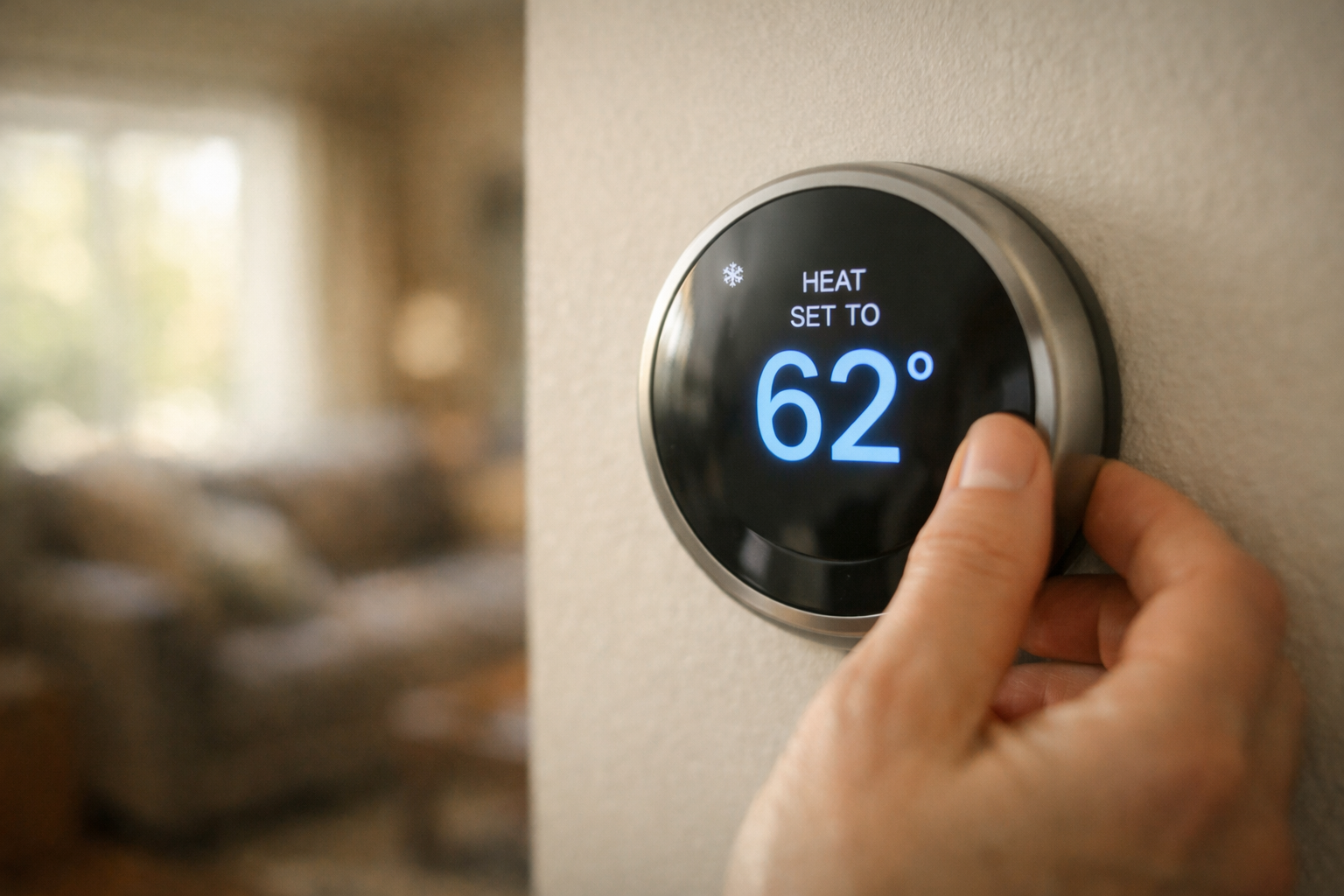
Not all freezing problems are physical blockages. Sometimes the issue lies in how the system is being controlled.
I’ve seen thermostats set too low for extended periods, forcing the AC to run longer than necessary. This continuous operation can cause temperatures inside the coil to drop excessively, especially during cooler nights.
Fan problems can make things worse. If the blower fan isn’t moving air properly, the evaporator coil doesn’t get enough warm air to regulate its temperature. I once worked on a system where the fan motor was weak—it ran, but not at full capacity. That small issue led to repeated freezing.
Checking thermostat settings and ensuring the fan is functioning correctly can prevent these subtle but impactful problems. Sometimes, the fix is simpler than expected.
Drainage Problems and Moisture Build-Up
Moisture is a natural byproduct of the cooling process. Normally, it drains away through the condensate line. But when drainage is blocked, excess moisture can freeze on the coil.
Clogged drain lines are more common than people think. Dust, algae, and debris can slowly block the pipe, causing water to accumulate. I’ve seen cases where this buildup contributed to ice formation alongside other issues.
The presence of water where it shouldn’t be creates an environment where freezing happens faster. It’s like giving the system extra fuel to form ice.
Regular maintenance of the drainage system keeps moisture levels under control. Clearing the drain line and ensuring proper flow can make a noticeable difference in preventing freeze-ups.
Outdoor Conditions and System Overwork
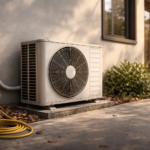
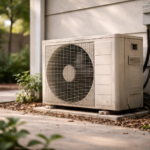
Extreme weather doesn’t just affect comfort—it also impacts how your AC performs internally. Running your central air conditioner during cooler nights or in mild weather can sometimes lead to freezing.
I’ve noticed this especially in systems left running continuously without temperature adjustments. When outdoor temperatures drop, the system doesn’t always adapt well, and internal components can overcool.
Poor insulation and heat load issues inside the home can also push the AC to overwork. When the system runs longer than it should, it increases the chances of freezing.
Balancing usage with environmental conditions helps maintain efficiency. Adjusting settings based on time of day and weather can reduce unnecessary strain on the system.
Final Thoughts: Stop the Freeze Before It Spreads
A frozen air conditioner isn’t just an inconvenience—it’s a warning sign you shouldn’t ignore. Whether it’s airflow restrictions, refrigerant issues, or simple maintenance gaps, the root cause always tells a story.
Start with the basics. Check filters, airflow, and thermostat settings. If the problem continues, it’s worth calling a professional before the issue escalates into compressor damage or costly repairs.
The key is early action. When you understand why your central air conditioner freezes up, you can fix it quickly and keep your system running smoothly—even in the hottest conditions.