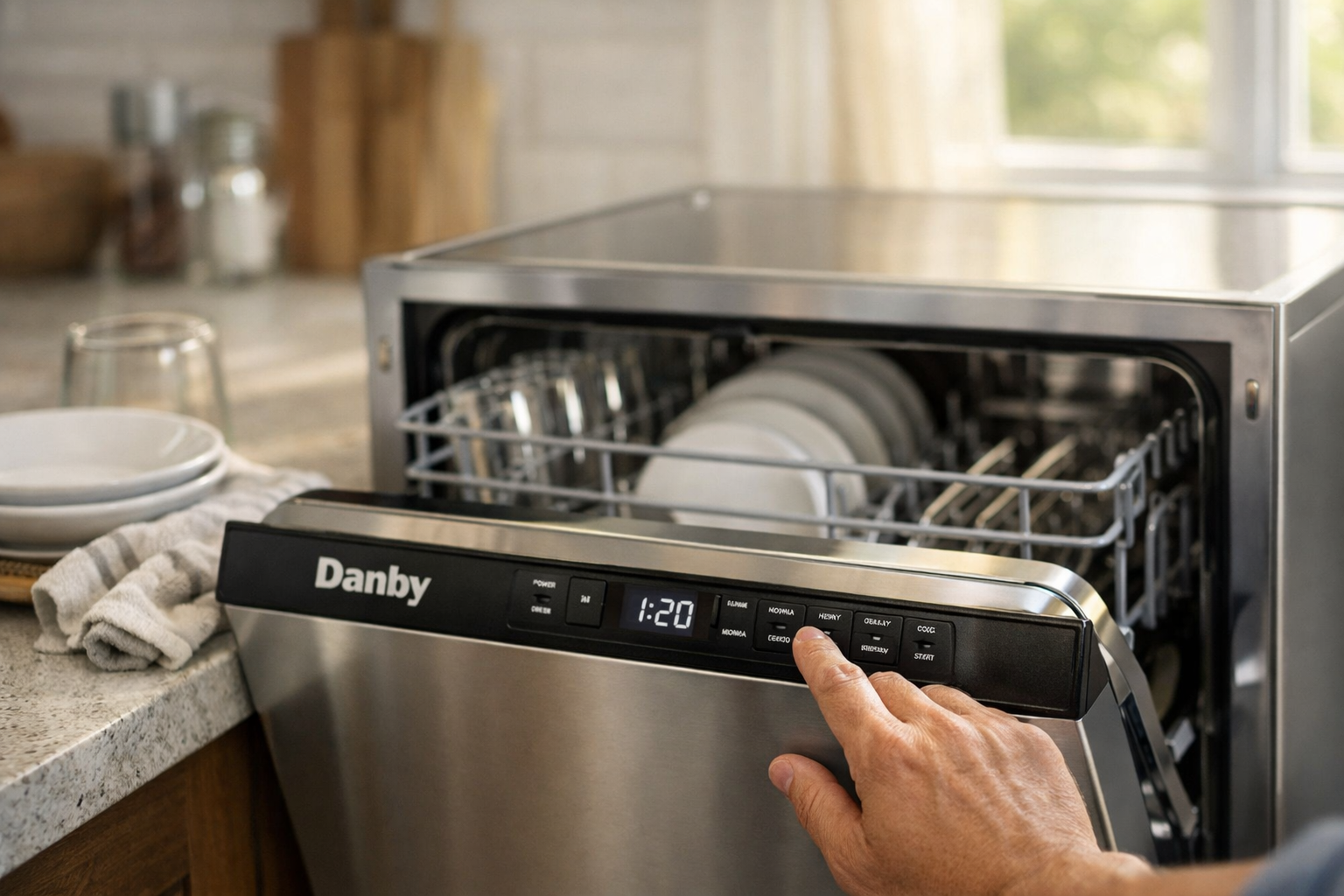
Have you ever loaded your Danby dishwasher only to hear strange noises, notice leaks, or watch it stop mid-cycle? It’s a frustrating scenario that every homeowner dreads. Surprisingly, many Danby owners face these issues regularly, but most problems have simple fixes if you know what to look for.
I remember the first time my Danby dishwasher refused to drain properly. At first, I panicked, assuming I needed a full replacement. After carefully inspecting the appliance, I realized it was a minor clog in the drain hose. That moment taught me that understanding common Danby dishwasher issues can save hours of frustration, unnecessary service fees, and potential water damage.
In this guide, I’ll walk you through everything from identifying the most frequent problems to performing safe DIY repairs, troubleshooting electrical and mechanical components, and preventing future issues. By the end, you’ll feel confident tackling Danby dishwasher repair on your own, keeping your kitchen running smoothly and stress-free.
Common Danby Dishwasher Problems
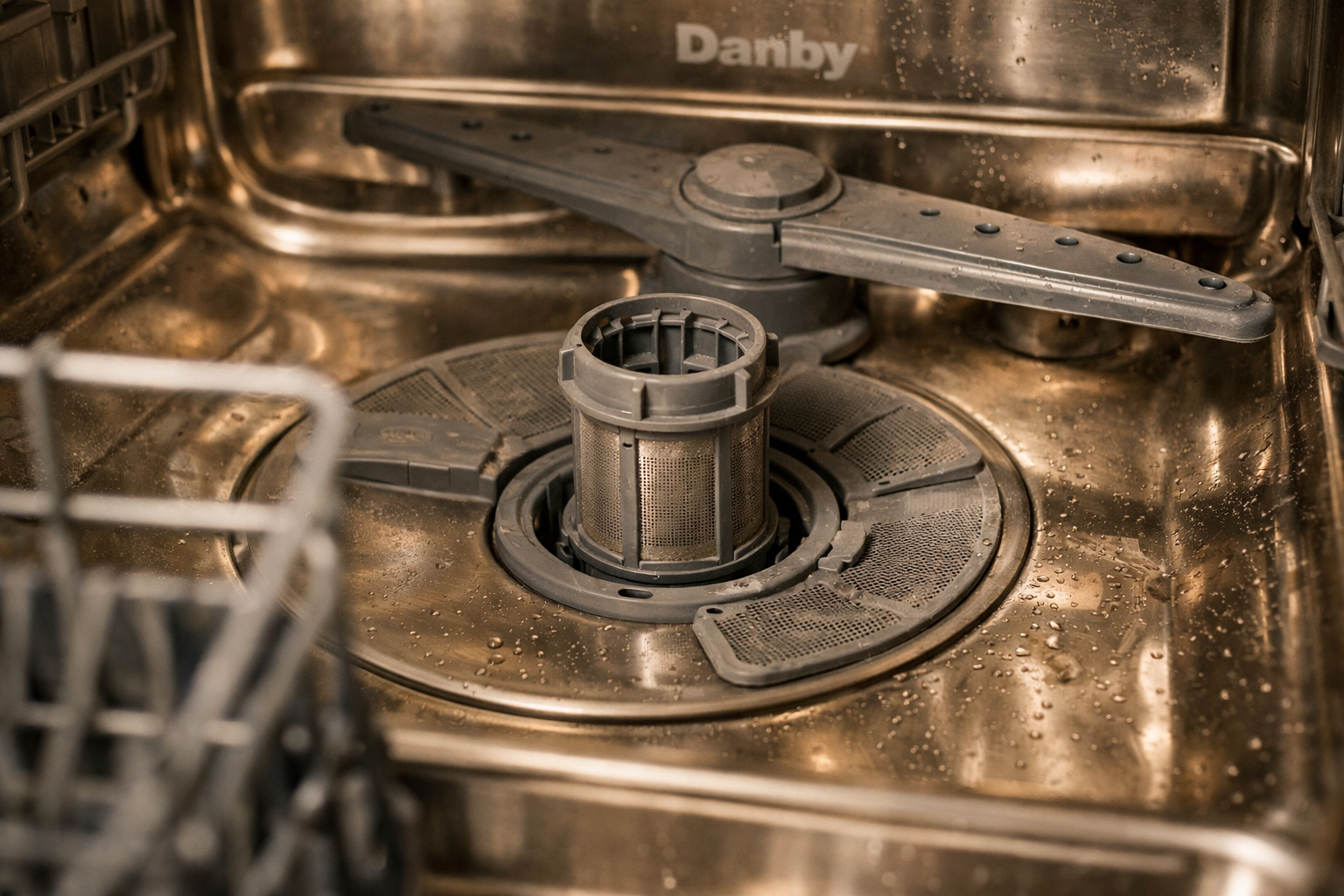
Danby dishwashers are compact, efficient, and reliable, but like any appliance, they can develop faults over time. One frequent issue is the dishwasher not draining correctly, often caused by clogged filters or a blocked drain hose. I’ve had this happen when leftover food debris built up over months, leading to standing water in the bottom of the tub.
Another common problem is unresponsive controls or error codes. Sometimes the touchpad fails, buttons stick, or the appliance refuses to start. While this can seem alarming, it’s often a minor electrical hiccup or a tripped circuit breaker rather than a full-scale component failure.
Leaks are also prevalent, often due to worn-out door gaskets or misaligned racks. Regular inspection of rubber seals and proper loading techniques can prevent these problems from escalating into water damage or mold growth.
Lastly, noisy operation—rattling or humming—can indicate loose parts, obstructed spray arms, or failing motors. Early detection and timely intervention can avoid costly repairs and downtime.
Troubleshooting Electrical Issues
A non-functional Danby dishwasher often stems from electrical issues. The first step is to check power supply and circuit connections. Ensure the dishwasher is plugged in securely, and inspect the outlet for any visible damage. Many times, simply resetting a tripped breaker restores normal function.
Next, examine the control board and touchpad. Moisture, grease, or worn-out components can lead to unresponsive buttons or erratic behavior. I once resolved a neighbor’s appliance issue by carefully cleaning the touchpad and reconnecting the wiring harness. The panel responded instantly, saving a service call.
For persistent electrical faults, check the wiring harness for frayed or disconnected wires. While some homeowners may feel intimidated, using a multimeter to test continuity can pinpoint the issue safely. Always ensure the appliance is unplugged before performing these checks.
Mechanical Repairs and Component Replacement
Mechanical failures are another frequent cause of Danby dishwasher problems. Spray arms, filters, and racks can become clogged, damaged, or misaligned. Cleaning spray arms of hardened food particles or mineral deposits often restores proper water flow and pressure.
The door latch and gasket are critical components that, if damaged, lead to leaks or cycle interruptions. I recall a dishwasher where the door seal had partially detached. Simply re-securing the gasket and replacing a few screws solved the issue entirely.
Pump and motor malfunctions are more complex. If water isn’t circulating or draining, inspecting the pump impeller for obstructions can save a lot of frustration. While some Danby parts are user-replaceable, motors may require professional assistance if worn or burned out. Regular inspection and timely cleaning can prevent major component failures.
Step-by-Step DIY Repairs
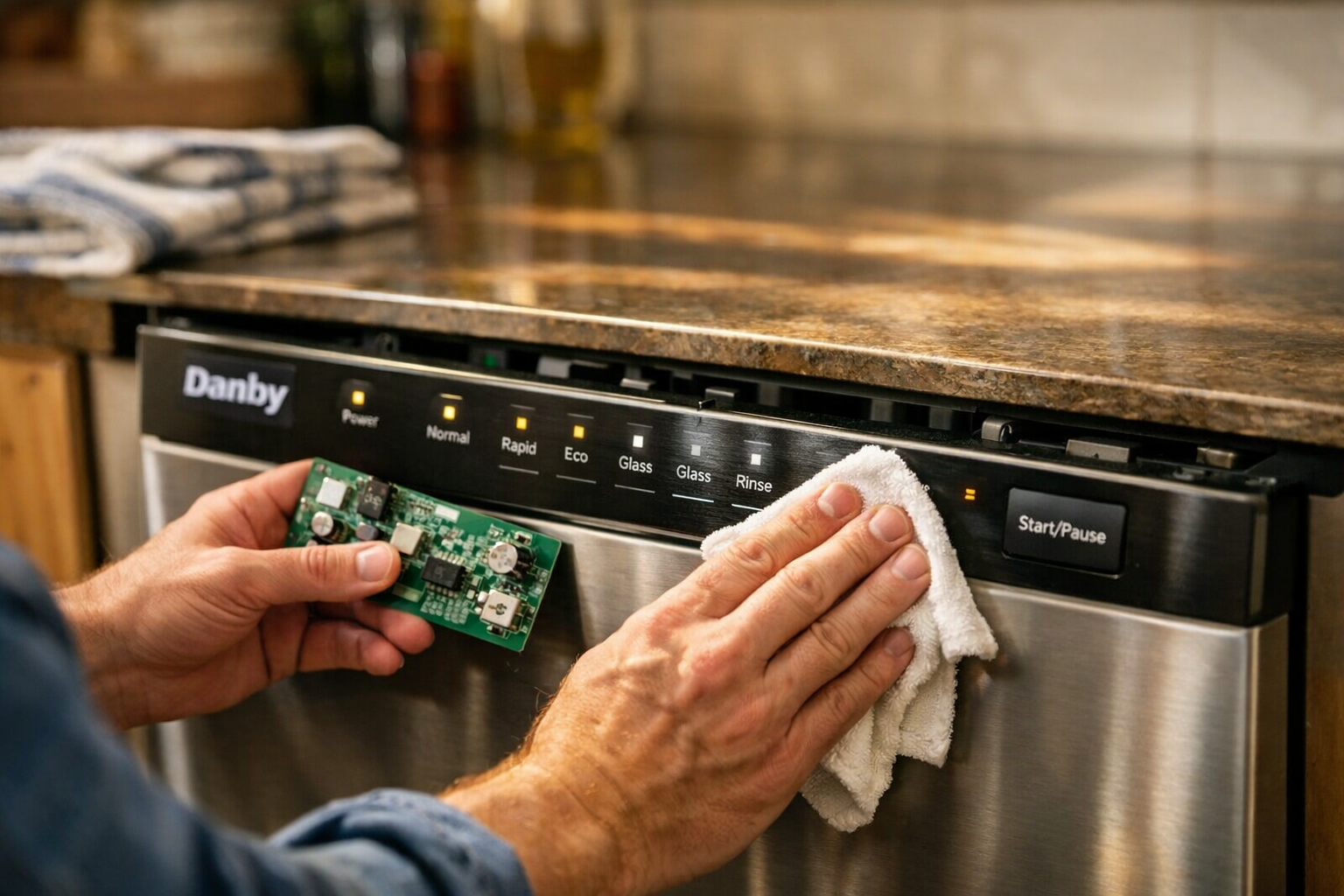
Many Danby dishwasher repairs can be tackled safely at home. Begin with small fixes: unclogging the drain, cleaning the filter, or inspecting the spray arms. These simple steps often restore full functionality.
If the appliance won’t start, reset the control panel by turning off the circuit breaker for 5–10 minutes. After restoring power, check the door latch and try starting a new cycle. Sometimes, a simple reset fixes software glitches and unresponsive touchpads.
Replacing worn components such as gaskets, spray arms, or filters is usually straightforward. Take photos before disassembly to ensure correct reassembly. Use genuine Danby parts whenever possible, as they maintain compatibility and longevity. I’ve personally saved hundreds in repair costs by replacing just a gasket or filter rather than calling a technician.
Professional Service Considerations
While DIY fixes handle many issues, some problems require professional service. Electrical failures in the control board, persistent leaks, or motor failures may need licensed technicians. Always ensure the professional uses genuine Danby replacement parts to maintain warranty and performance.
Documenting the symptoms, error codes, and prior steps taken before calling a technician accelerates diagnosis. I keep a small log of appliance issues, which has made service visits faster and more cost-effective. Additionally, scheduling regular maintenance reduces the likelihood of emergency breakdowns.
Preventing Future Problems
Prevention is key to extending the life of your Danby dishwasher. Regularly clean filters, spray arms, and the interior to avoid clogs and buildup. Avoid overloading the appliance, as this can strain motors and prevent proper water circulation.
Inspect door gaskets periodically and keep the touchpad dry. Use soft cloths to clean panels and avoid harsh chemicals that can damage electronics. Running a maintenance cycle with dishwasher-safe cleaners monthly helps remove hard water deposits and grease, keeping your dishwasher running efficiently.
Simple habits like these not only prevent issues but also improve overall cleaning performance and energy efficiency, saving both money and frustration in the long run.
Conclusion
Danby dishwasher repair doesn’t have to be intimidating. Most problems, from leaks and unresponsive panels to noisy operation, are manageable with careful inspection, cleaning, and minor component replacement. Understanding common issues, performing safe DIY repairs, and knowing when to call a professional ensures your appliance stays reliable and efficient.
By adopting preventive maintenance habits, you reduce the chance of future breakdowns and prolong the dishwasher’s lifespan. With patience, careful observation, and the right techniques, even complex issues become manageable. Keeping your Danby dishwasher in top condition means fewer disruptions, cleaner dishes, and a stress-free kitchen.