I still remember the time a friend poured a cup of dish soap into their washing machine “just to get the stains out faster.” Within minutes, the laundry room looked like a foam explosion had taken over — suds everywhere! That’s when I realized how common this mistake really is.
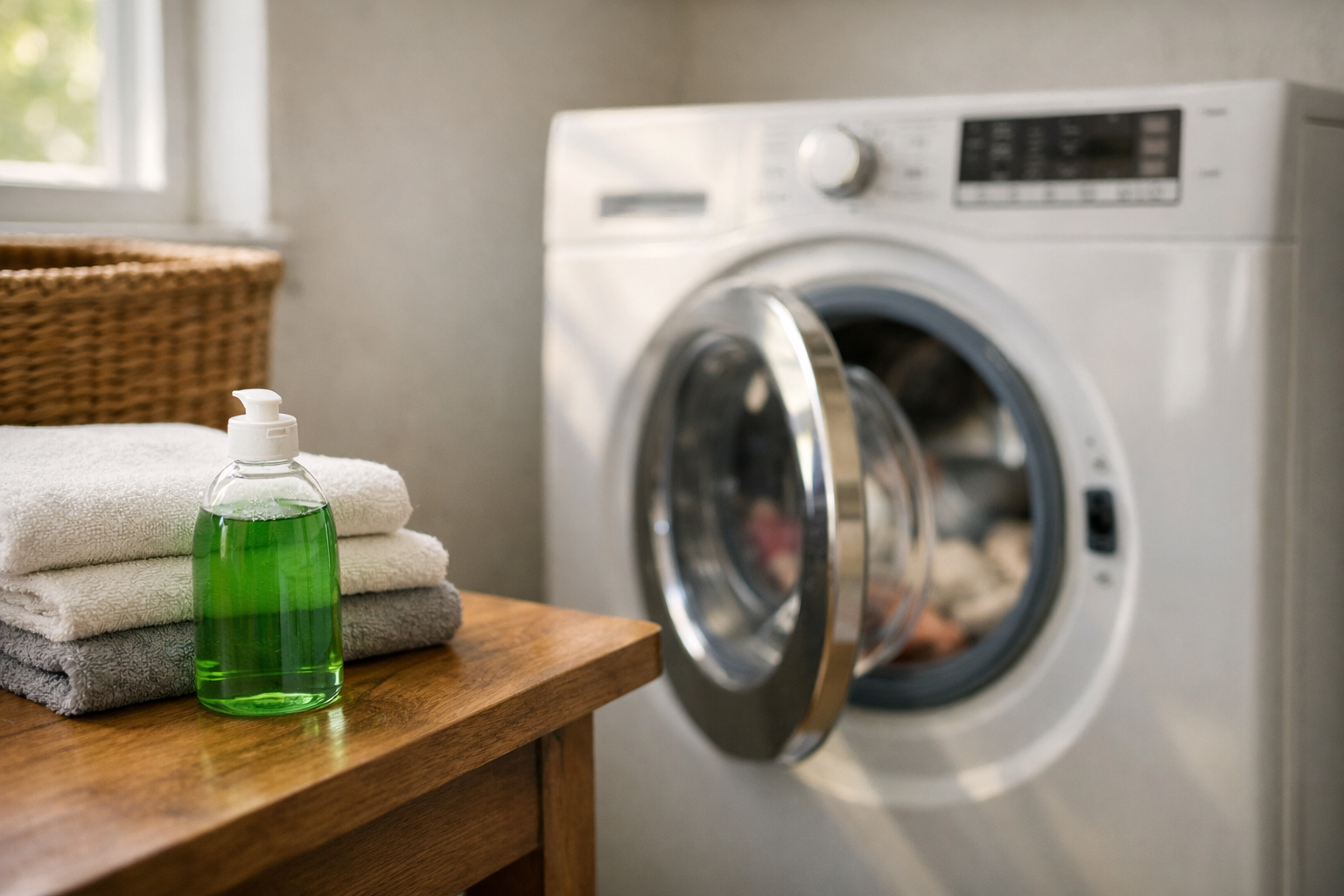
So, can I use dish soap in washing machine? The short answer is no — at least not the standard kind meant for handwashing dishes. But there’s more to it than that. Using dish detergent can cause massive suds, machine overflow, and even damage your washer over time.
In this guide, I’ll explain exactly why dish soap behaves so differently in a washing machine, explore safe alternatives like HE detergent and liquid laundry soap, share tips for stubborn stains, and cover common mistakes people make when experimenting with “home hacks.” By the end, you’ll know exactly how to protect your washer and still keep your clothes spotless — without the soap explosion!
Why Dish Soap and Washing Machines Don’t Mix
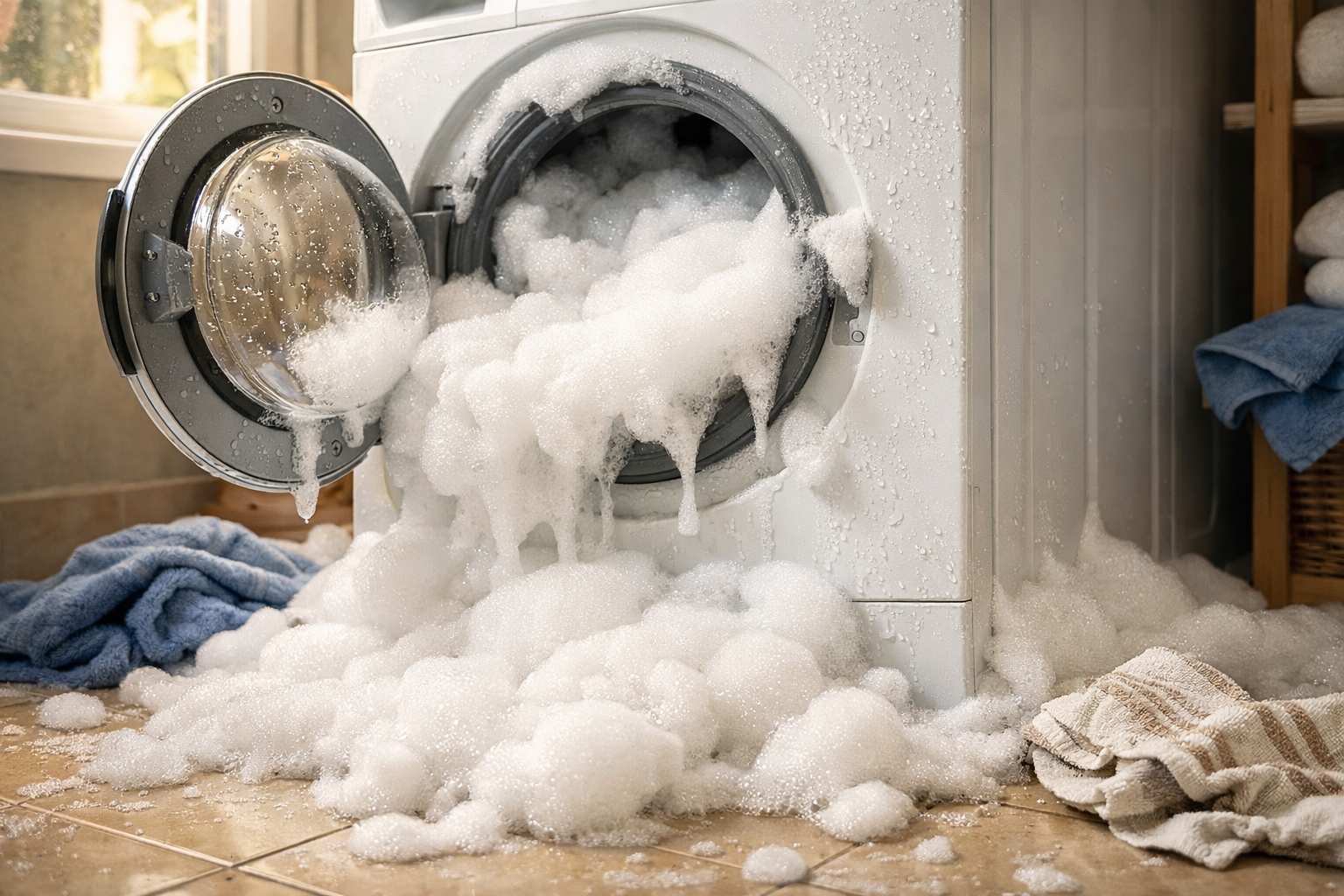
Dish soap is formulated for hand washing dishes, not high-efficiency washing machines. It’s designed to create lots of suds, which is perfect for cleaning greasy plates but disastrous for washers. High-efficiency machines use low water volumes, and the sudden surge of suds can overflow, leak, and even trigger error codes.
I’ve seen homeowners try to substitute dish soap for laundry detergent, thinking it’s cheaper or easier. One particular case involved a front-loading washer that overflowed so badly, the foam reached the ceiling. Not only was the laundry ruined, but the floor was damaged too.
Besides overflow, dish soap can leave residues in your washer’s drum and hoses. Over time, these residues can encourage mold growth and foul odors, creating more problems than they solve. Standard laundry detergents are formulated to rinse clean in machine cycles, something dish soap cannot do.
HE vs. Regular Soap: Understanding Washer Detergents
High-efficiency (HE) washers use a different washing method than older top-loaders. They use less water but more agitation and longer cycles. HE detergents are formulated to work with this method, producing minimal suds while effectively cleaning clothes.
If you try to use dish soap in an HE machine, the result is excessive foam that the machine cannot manage. Top-loaders may tolerate slightly more suds, but the risk of overflow and residue remains. Using the correct detergent type is critical to maintain machine longevity.
When choosing detergent, look for labels that say “HE approved” for high-efficiency washers. Even standard washers benefit from the proper detergent, as it ensures your clothes are cleaned thoroughly without unnecessary residue or foam build-up.
Common Mistakes People Make With Dish Soap
One common mistake is using any kind of dish soap — liquid or powder — in the washing machine. People often assume that because it cleans dishes, it can clean clothes. But clothes contain fabric fibers that require different surfactants and rinse cycles.
Another error is overestimating the amount needed. Dish soap is concentrated for grease removal, so even small amounts create massive suds. I once helped a client who poured half a cup into a small load of laundry. The resulting mess required an emergency mop, bucket, and even a technician to check for drain clogs.
Some people think using “green” or “natural” dish soap makes it safe for washers. The reality is, any hand dishwashing soap creates foam levels far beyond what washers are designed to handle. Safety and machine care should always come first.
Safe Alternatives to Dish Soap
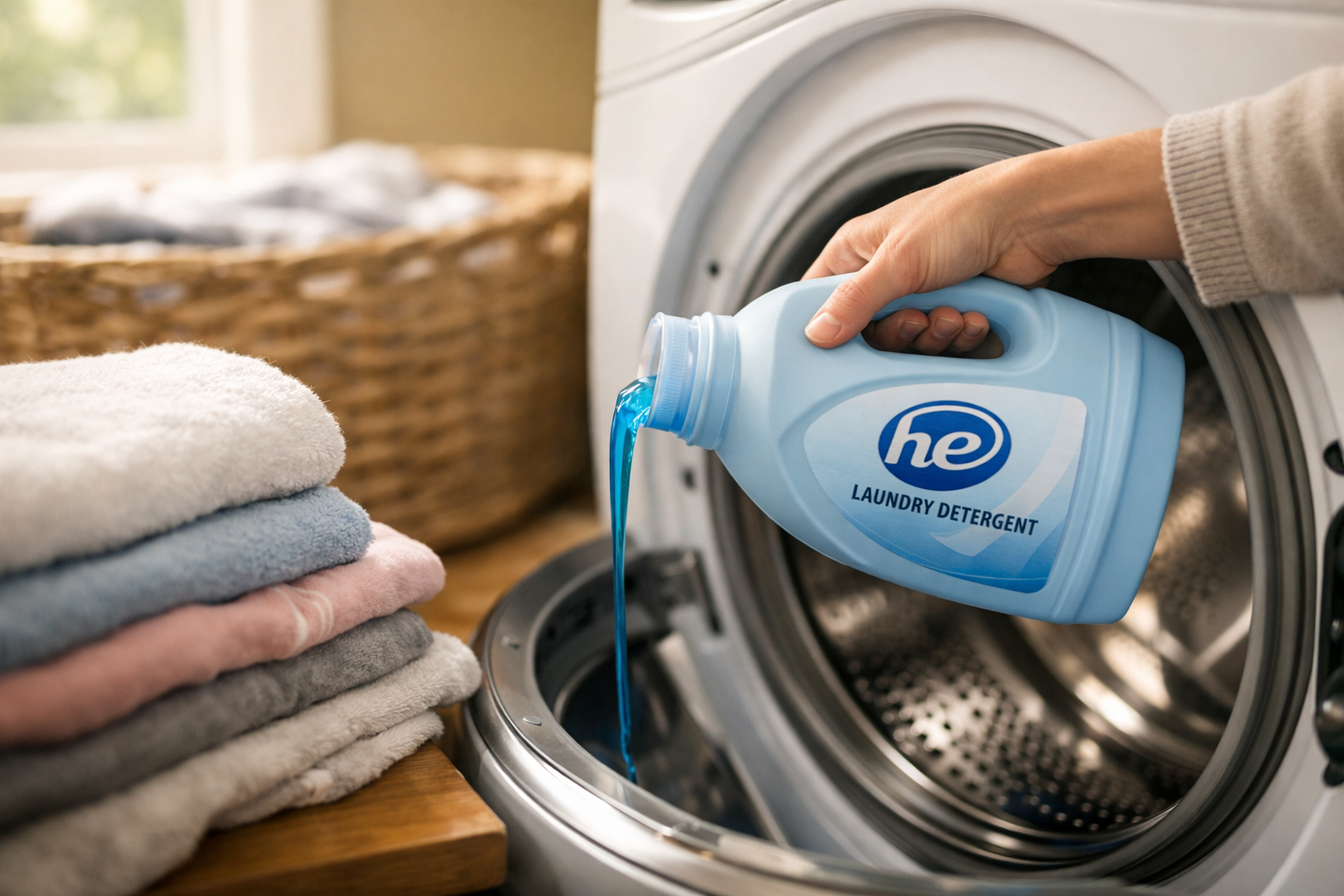
If you want clean, fresh-smelling clothes without risking washer damage, stick to laundry-specific detergents. HE liquid or powder detergents are formulated to dissolve completely, minimize foam, and protect fabrics.
For tough stains, consider pre-treatment with laundry-safe stain removers. Products like oxygen bleach or enzymatic sprays target stains effectively without introducing soap designed for dishes. These alternatives prevent foam overflow and reduce the risk of residue buildup.
DIY enthusiasts sometimes ask about using small amounts of castile soap. While mild and plant-based, it still can create suds if not properly diluted. Always check manufacturer recommendations before experimenting with alternative cleaners.
How to Handle Accidental Dish Soap Use
If you accidentally add dish soap to your washing machine, act quickly. Stop the cycle immediately and avoid running additional water. Use towels or a wet/dry vacuum to remove excess suds from the drum and floor.
Next, run a rinse-only cycle with no detergent. This flushes out residual soap. You may need to repeat the rinse a couple of times to ensure all foam is gone. For top-loaders, you can also manually scoop out suds while the machine is paused.
Finally, consider running a cleaning cycle with washing machine cleaner to remove any leftover residues. This prevents mold, odors, and future foam problems. Accidents happen, but knowing the proper steps avoids costly repairs and maintains machine health.
Tips for Proper Laundry Care
Using the right detergent is just one part of safe laundry care. Avoid overloading your machine, as packed clothes reduce water circulation and prevent detergent from rinsing properly.
Pay attention to water temperature and fabric type. Some detergents are formulated for cold water, which saves energy and protects fabrics. Others are optimized for hot water to remove heavy stains.
Routine maintenance matters too. Wipe down gaskets, clean lint traps, and run monthly cleaning cycles. These habits reduce odor, prevent buildup, and keep your washer performing at its best — without ever needing dish soap.
CONCLUSION
So, can I use dish soap in washing machine? The answer is clear: avoid it. Hand dishwashing soap produces excessive suds, risks overflow, damages fabrics, and can harm your washer. Instead, use HE or standard laundry detergent, and pre-treat stains with laundry-safe products.
Accidental soap use can be fixed with careful rinsing, but prevention is easier than cleanup. Following proper detergent guidelines, understanding your washer type, and maintaining your machine ensures clean clothes and a happy laundry room. Keep your laundry safe, efficient, and foam-free!