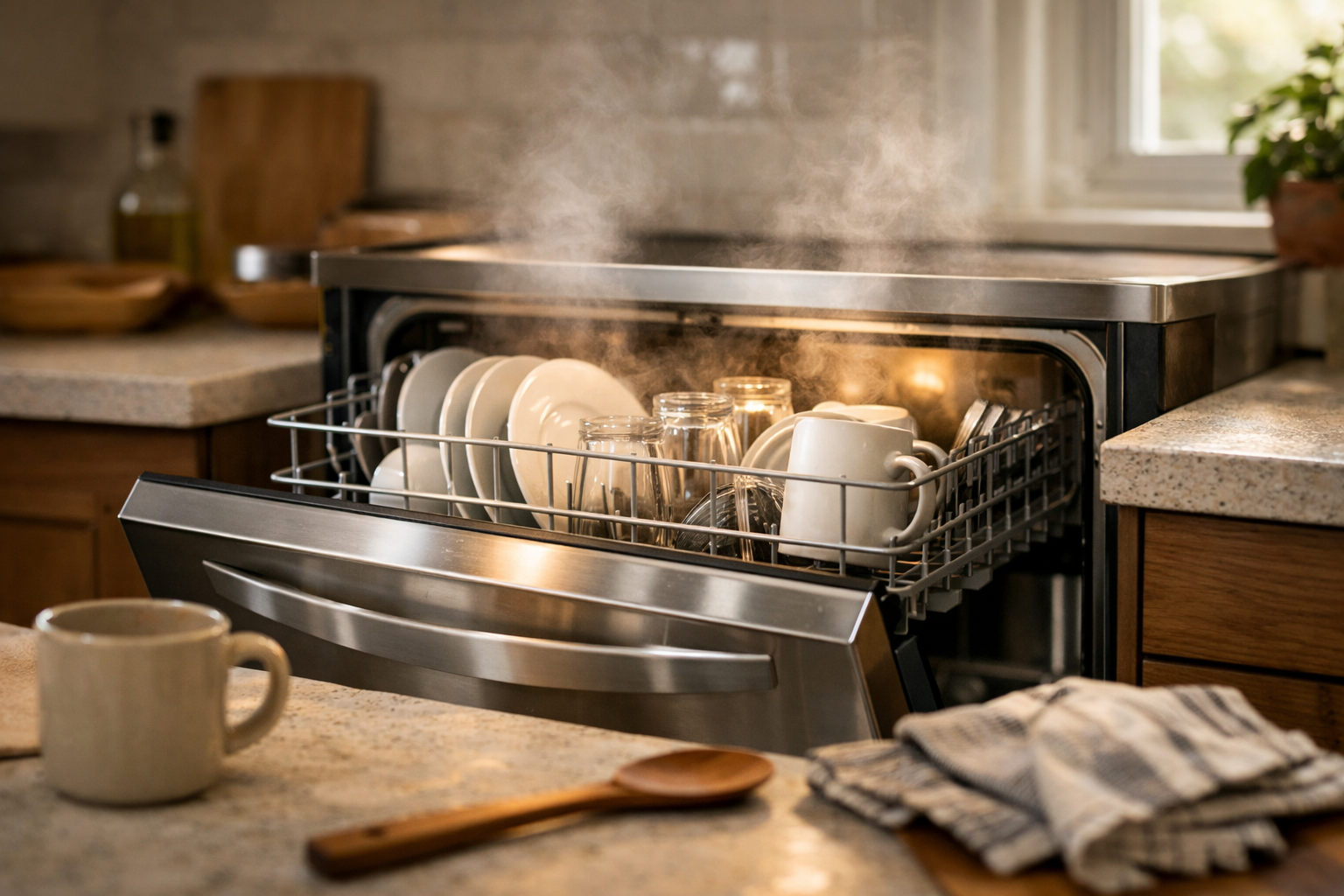
Most people assume a dishwasher should finish in under an hour—but modern machines often take over 2 hours to complete a single cycle. That feels wrong at first. I used to think something was broken when my dishwasher kept running endlessly… until I realized longer cycles are actually designed to clean better while using less water and energy.
The truth is, dishwasher cycle time depends on multiple factors—wash mode, soil level, water temperature, and even detergent type. Some cycles are quick and aggressive. Others are slow and efficient. And yes, both serve a purpose.
In this guide, I’ll break down exactly how long a dishwasher takes to wash, what affects the timing, and how to choose the right cycle for your needs. By the end, you’ll not only understand the timing—you’ll use your dishwasher smarter and more efficiently.
Average Dishwasher Cycle Time Explained
A standard dishwasher cycle typically runs between 1.5 to 4 hours. That wide range surprises people, but it makes sense once you understand how modern dishwashers work.
Older dishwashers used brute force—more water, more heat, shorter time. Newer models, however, are designed for energy efficiency and water conservation. Instead of blasting dishes quickly, they clean gradually using sensors and optimized spray patterns. This means longer cycles but better results with less waste.
From my own experience, the “Normal” cycle on most modern dishwashers lands around 2 to 2.5 hours. It feels long, but dishes come out spotless—even without pre-rinsing. That’s the trade-off: time for efficiency.
Another factor is built-in sensors. Many dishwashers adjust the cycle length automatically depending on how dirty your dishes are. So even if you choose “Normal,” the machine might extend or shorten the wash based on what it detects.
Different Dishwasher Cycles and Their Durations
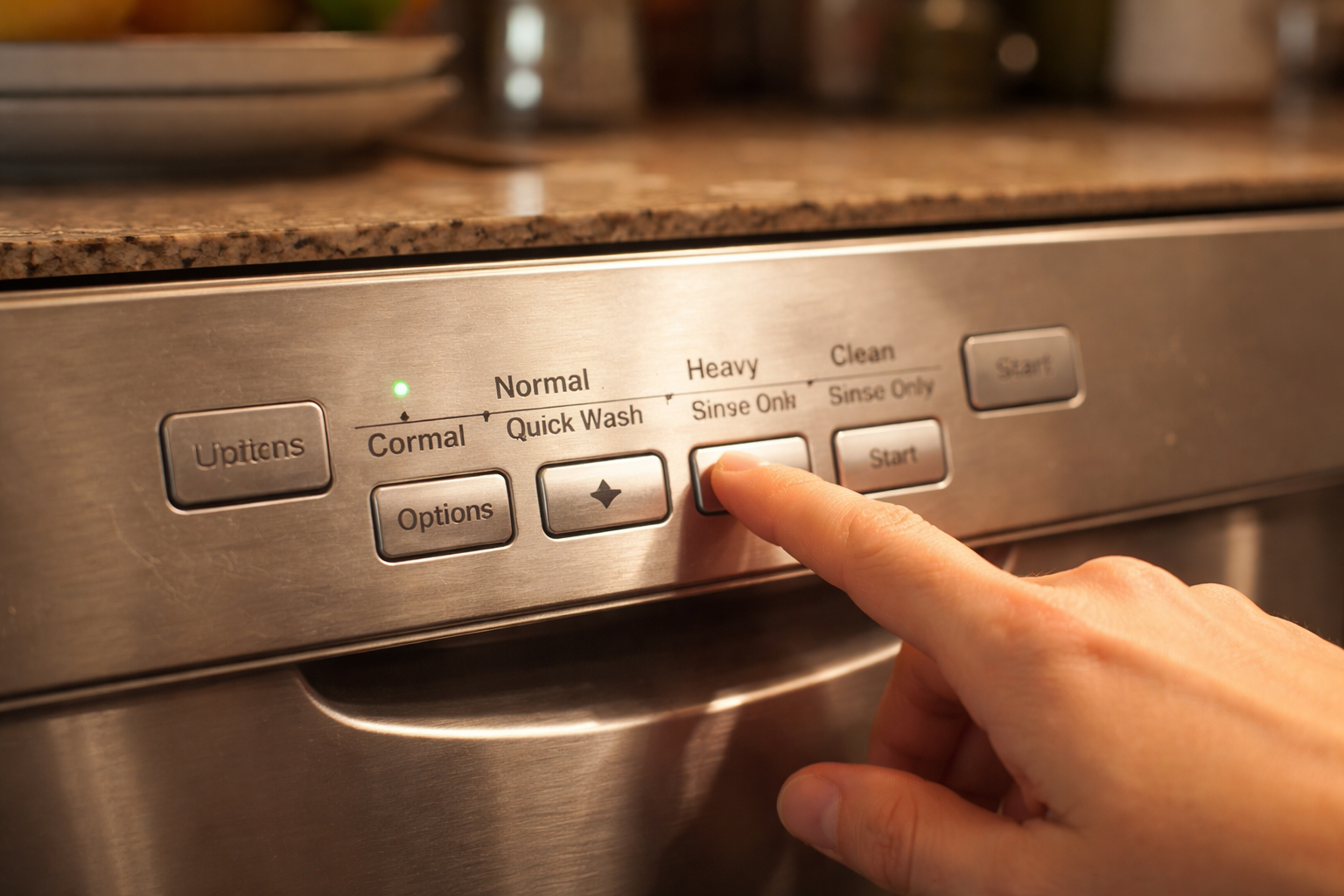
Not all dishwasher cycles are created equal. Each one is designed for a specific type of load, and that directly affects how long it takes.
Normal Cycle
This is the most commonly used setting and usually takes 2 to 3 hours. It balances cleaning power with energy efficiency. I use this for everyday dishes—plates, glasses, and lightly soiled cookware.
Quick Wash Cycle
Quick cycles typically run between 30 minutes to 1 hour. They’re perfect when you’re in a hurry or dealing with lightly soiled dishes. However, I’ve noticed they don’t always handle grease or dried food very well.
Heavy or Pots & Pans Cycle
This is where time really stretches. Heavy cycles can take 3 to 4 hours because they use higher temperatures and longer wash phases. If you’ve ever baked lasagna and left the dish overnight, this cycle is your best friend.
Eco Mode
Eco cycles are often the longest, sometimes exceeding 3 hours. That sounds counterintuitive, but they save energy by using lower temperatures and extending the wash time. It’s slow—but efficient.
Each cycle exists for a reason. Choosing the wrong one can either waste time or leave your dishes less clean than expected.
What Affects Dishwasher Cycle Time
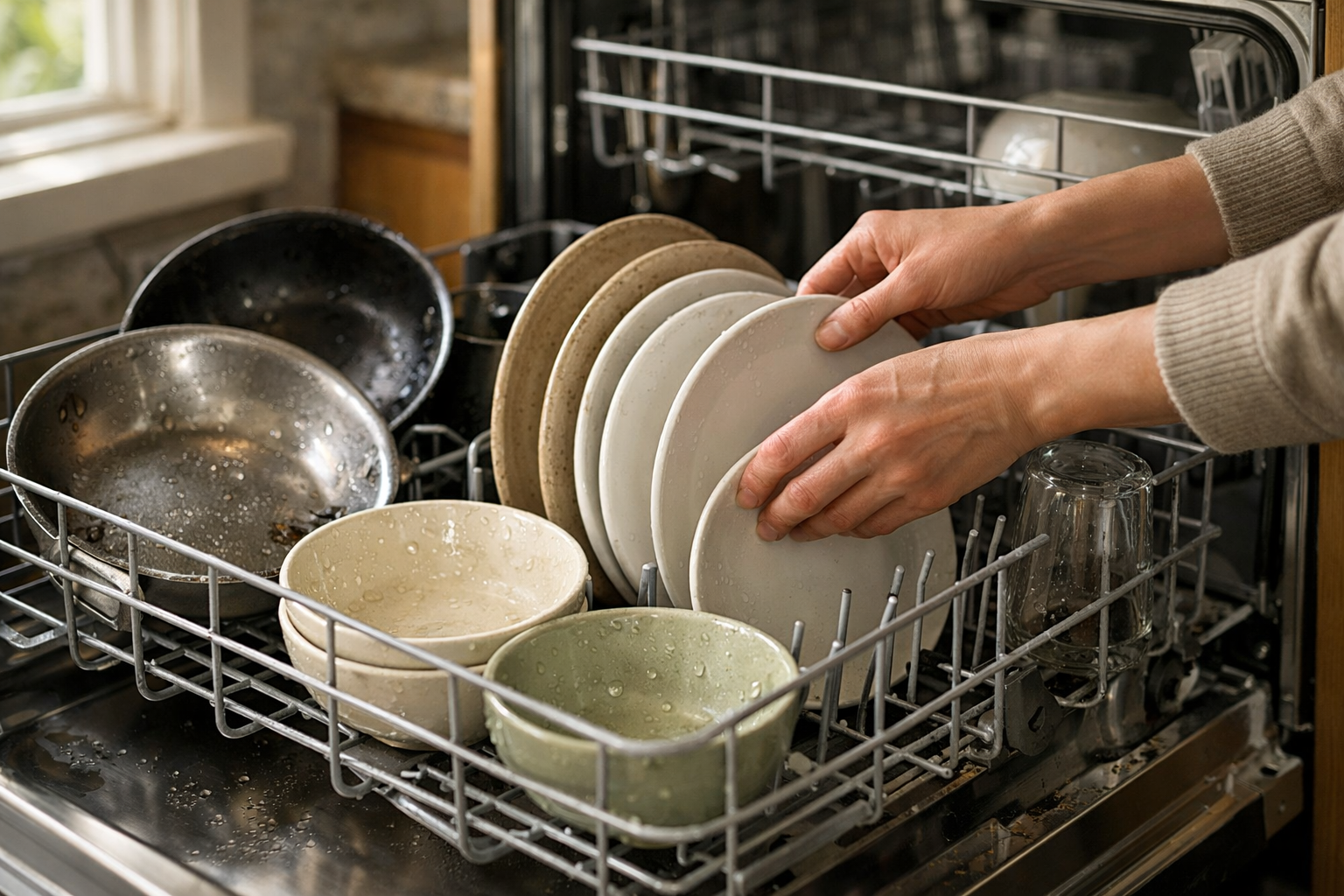
Dishwasher timing isn’t fixed—it changes depending on several key factors. Understanding these can help you predict and even control how long your machine runs.
One major factor is soil level. Heavily soiled dishes require more time, and modern dishwashers detect this automatically. I’ve noticed my dishwasher runs longer after big meals compared to light snack loads.
Water temperature also plays a role. If your home’s water heater isn’t hot enough, the dishwasher will take extra time to heat the water internally. That adds minutes—or even an hour—to the cycle.
Another hidden factor is load size and arrangement. Overloading can block spray arms, forcing the dishwasher to work harder and longer. I learned this the hard way when cramming in too many plates led to extended cycles and poor cleaning.
Finally, detergent matters more than people think. High-quality detergent dissolves faster and works efficiently, while cheap options can slow down the cleaning process and require longer rinsing.
Why Modern Dishwashers Take Longer Than Before
At first glance, longer cycles feel like a downgrade. But in reality, they’re an upgrade in disguise.
Modern dishwashers are built to meet strict energy efficiency standards. Instead of using excessive water and heat, they rely on smarter technology. This includes sensors, targeted spray jets, and optimized wash sequences.
I remember switching from an older model that finished in under an hour to a newer one that took nearly 3 hours. It felt frustrating—until I saw the difference in water bills and cleaning performance. The newer machine used significantly less water while delivering better results.
Another reason is noise reduction. Many modern dishwashers are designed to run quietly. Slower cycles reduce noise, making them ideal for open kitchens or nighttime use.
So while the time increases, the benefits—efficiency, cleanliness, and quiet operation—make it worthwhile.
How to Make Your Dishwasher Run Faster
Speeding up your dishwasher isn’t always about pressing the “Quick Wash” button. There are smarter ways to reduce cycle time without sacrificing cleaning quality.
First, always use the correct cycle for your load. Running a heavy cycle for lightly soiled dishes wastes hours unnecessarily. I stick to quick or normal cycles unless dealing with stubborn grime.
Pre-rinsing lightly can also help. While modern dishwashers are designed to handle dirty dishes, removing large food particles can shorten the cycle slightly.
Hot water availability is another trick. Running your kitchen tap until it’s hot before starting the dishwasher ensures it doesn’t waste time heating cold water.
Lastly, avoid overloading. A properly arranged dishwasher allows water to circulate efficiently, reducing the need for extended wash times.
Small changes like these can shave off significant time over weeks and months.
Is a Longer Dishwasher Cycle Better?
Longer doesn’t always mean better—but it often means more efficient.
Extended cycles usually operate at lower temperatures and use less water, which is ideal for energy savings. They also provide more thorough cleaning for heavily soiled dishes.
However, there are times when shorter cycles make more sense. If you’re washing lightly used plates or need dishes quickly, a quick cycle is perfectly fine.
From my experience, the best approach is balance. Use longer cycles when needed, but don’t default to them every time. Understanding your dishwasher’s settings gives you control—and saves both time and energy.
Final Thoughts: Choosing the Right Dishwasher Cycle
Dishwasher timing isn’t about speed—it’s about strategy. Most cycles range from 1.5 to 4 hours, and each serves a specific purpose. Once you understand how cycles work, everything becomes easier.
Use quick cycles for light loads. Stick to normal for daily use. Save heavy cycles for tough messes. And don’t stress about longer run times—they often mean better efficiency and cleaner dishes.
The next step is simple: pay attention to your dishwasher’s behavior. Test different cycles. Notice the results. Small adjustments can make a big difference in both performance and convenience.