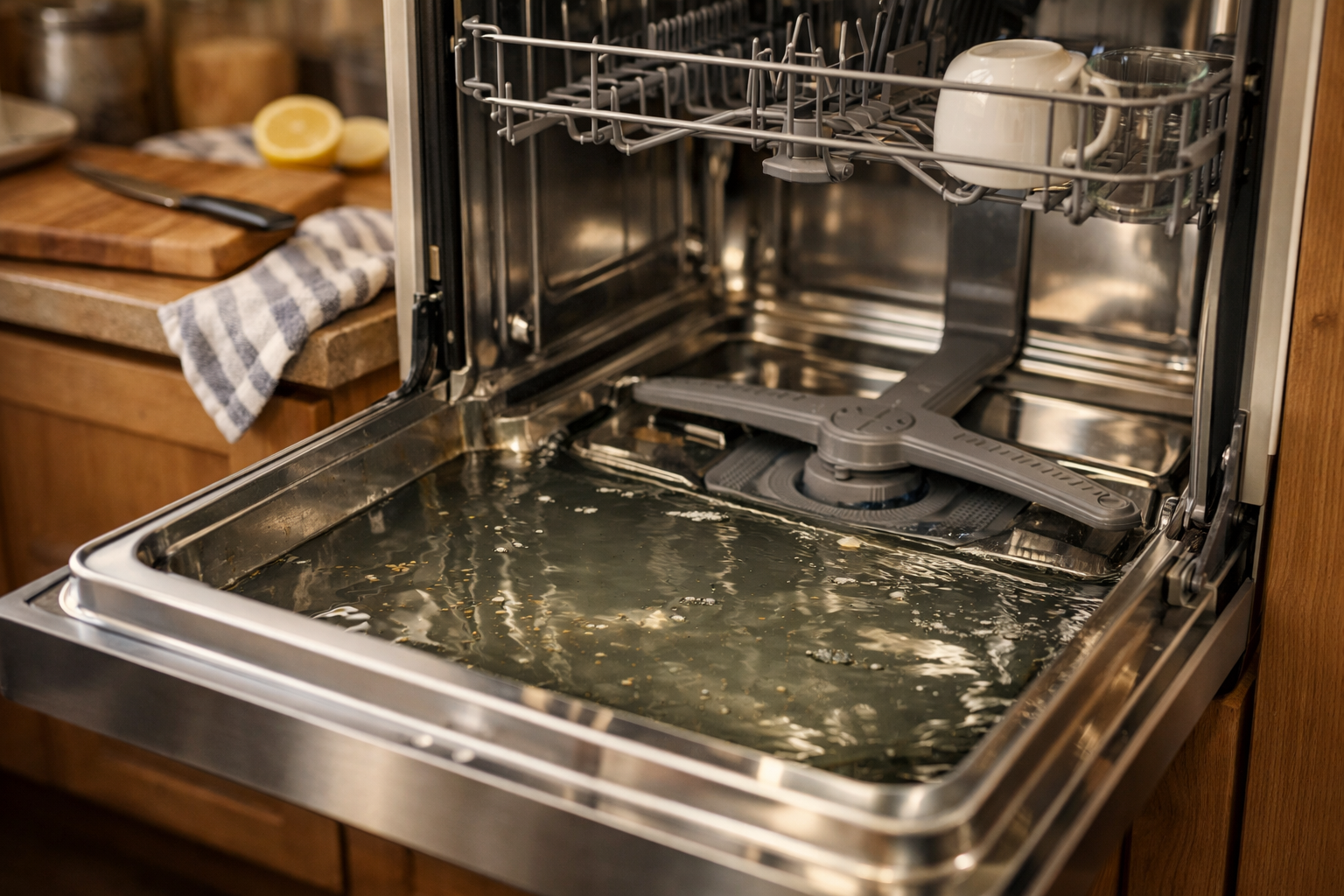
Nothing is more frustrating than finishing a dinner cycle only to find your dishwasher full of standing water! Did you know that nearly 25% of dishwasher issues reported in households each year involve drainage problems? I’ve been there myself—watching dirty water pool at the bottom, wondering if I’d need to call a repair technician.
The good news is, a dishwasher that doesn’t drain is often a fixable issue at home. From clogged filters to kinks in hoses or faulty pumps, the causes are surprisingly common and usually easy to identify. Over the years, I’ve helped friends and family troubleshoot these exact problems, and I’ve learned a lot of practical tips that can save both time and money.
In this article, I’ll guide you through everything you need to know about why your dishwasher does not drain, the components involved, common mistakes to avoid, and step-by-step solutions. By the end, you’ll feel confident diagnosing and fixing your appliance—and preventing future drainage headaches.
Understanding How Dishwasher Drainage Works
Dishwashers are more complex than they appear. Water enters, cleans your dishes, and then must exit properly through a series of components including the drain hose, air gap, pump, and filter. If any part is obstructed or malfunctioning, drainage issues occur.
I remember inspecting my own dishwasher for the first time; I was surprised by how small particles of food and soap scum could accumulate and block the filter, preventing water from leaving the tub. The drainage system is designed to rely on the pump creating suction, but any blockage disrupts this balance.
Modern dishwashers also include sensors that detect water levels. If the appliance senses standing water, it may stop the cycle or trigger an error code to prevent overflow. Understanding these systems helps you target the root cause instead of guessing blindly.
Common Causes of Dishwasher Not Draining
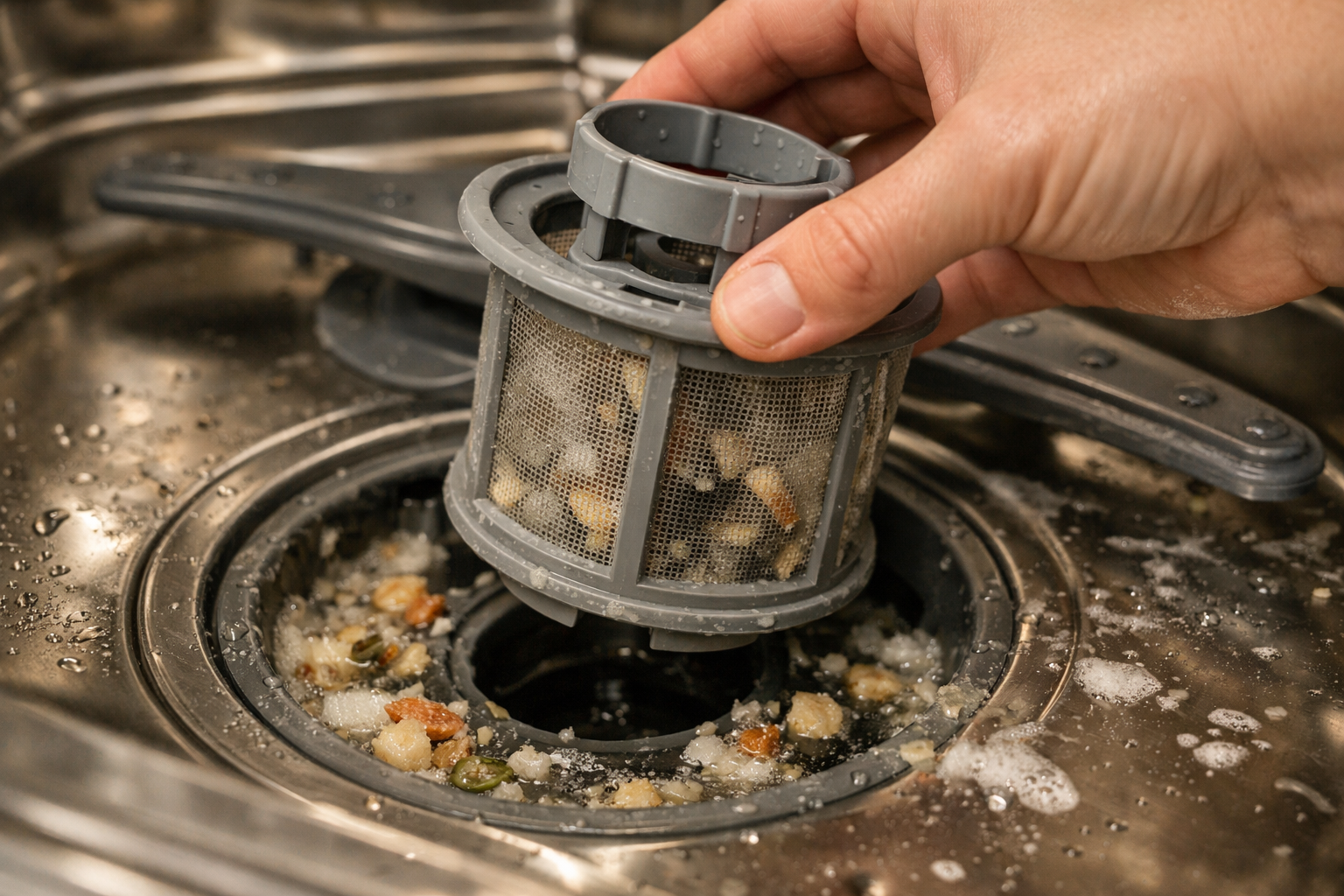
One of the most common reasons a dishwasher doesn’t drain is a clogged filter. Food particles, grease, and soap residue can accumulate in the filter or the sump area. Cleaning these regularly can prevent water from pooling.
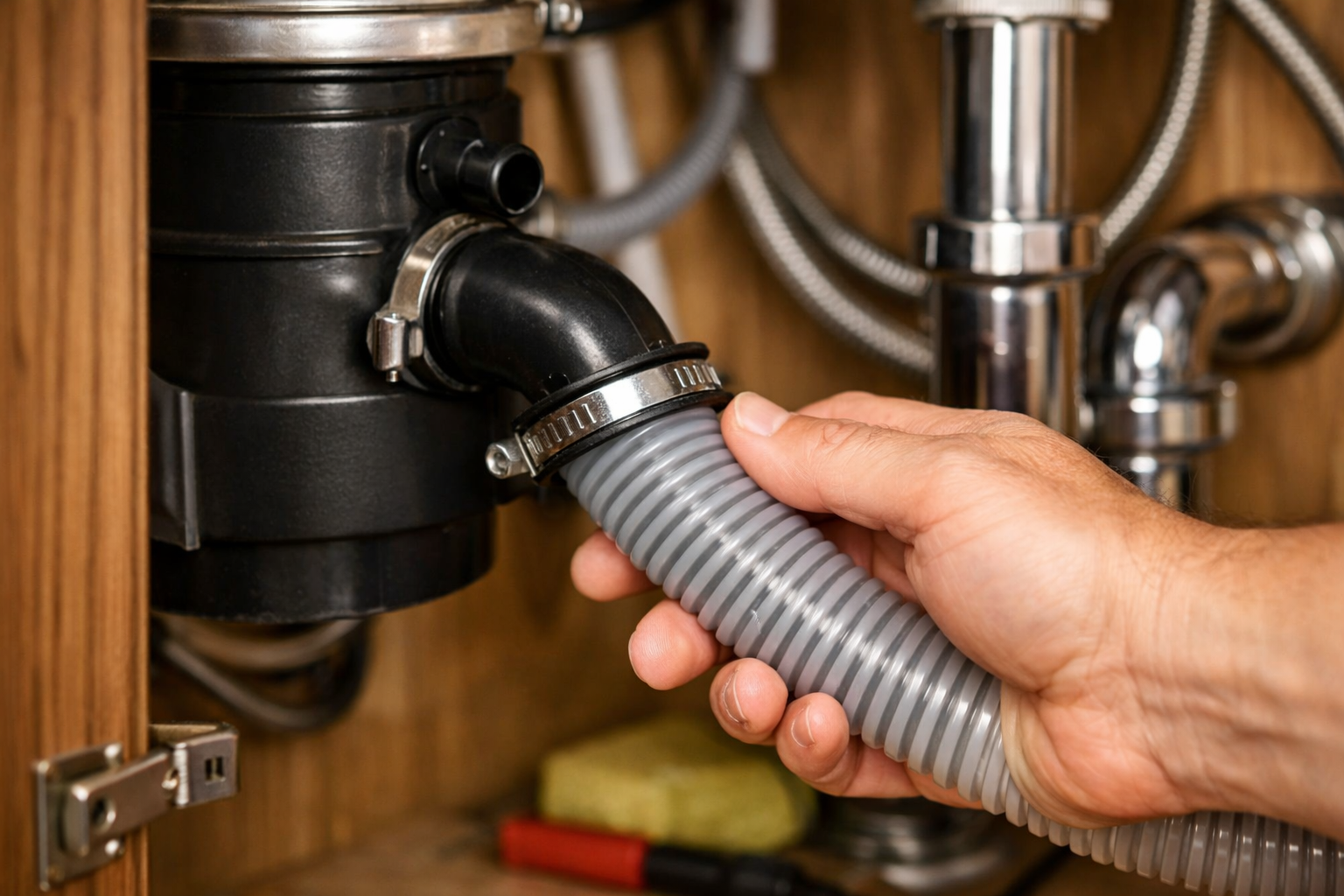
Another frequent issue is a kinked or blocked drain hose. Even a small bend can slow or stop water flow. I’ve had a case where simply straightening the hose behind the cabinet solved a persistent drainage problem.
Sometimes, the problem lies with the garbage disposal or sink connection. If the dishwasher drain is connected to a new or recently installed disposal, the knockout plug may not have been removed, blocking water flow entirely.
Finally, a failing drain pump or impeller can prevent proper drainage. These components can become worn, jammed, or electrically faulty. Replacing a malfunctioning pump often restores normal operation and avoids repeated errors.
Step-by-Step Troubleshooting
Start by checking the simplest components first. Turn off power and water to your dishwasher for safety. Remove the bottom rack and inspect the filter and sump area for debris. Small particles can easily be rinsed away under warm water.
Next, examine the drain hose. Ensure it is free from kinks, bends, or clogs. If the hose connects to a garbage disposal, confirm the knockout plug has been removed. Running a thin, flexible brush or a stream of water can help clear minor blockages.
If the dishwasher still does not drain, the drain pump may be the culprit. Listen for unusual noises during the cycle—humming or grinding sounds often indicate a stuck or broken impeller. In my experience, replacing a worn pump solved drainage problems that had persisted for months.
Inspecting the Drain Pump
The drain pump is the heart of dishwasher drainage. It pushes dirty water from the tub through the drain hose. Over time, objects like broken glass, small food particles, or utensil fragments can jam the pump.
I once found a tiny shard of plate stuck in the impeller of my dishwasher pump. It wasn’t obvious at first, but removing it allowed water to flow normally again. Always unplug the dishwasher before inspecting internal components for safety.
Electrical issues with the pump motor can also prevent drainage. Using a multimeter, you can test the pump for continuity. If the pump fails the test, replacement is necessary. Many homeowners overlook this step, assuming a full appliance replacement is required—often unnecessarily.
Could the Air Gap or Sink Connection Be the Issue?
Many people forget the air gap, a small cylinder near the sink, is part of the drainage system. Its purpose is to prevent backflow into the dishwasher. When clogged with debris, the air gap can stop water from draining properly.
Cleaning the air gap is straightforward. Remove the cap, check for obstructions, and flush with warm water. I’ve found that even a small buildup of soap scum or food particles can completely block drainage.
Similarly, if your dishwasher connects to a garbage disposal, ensure water can flow freely into the disposal. I’ve encountered several cases where an improperly installed disposal or a leftover knockout plug created months of drainage frustration.
Preventing Future Drainage Issues
Regular maintenance is the key to avoiding recurring problems. Clean filters, sump areas, and air gaps every few months to prevent buildup. I personally mark a quarterly maintenance day on my calendar, and it has prevented almost all drainage issues.
Using the correct detergent type and amount is also important. Excessive soap can create foam that clogs the filter or pump. I’ve observed that switching to a low-foam detergent immediately improved drainage in older dishwashers.
Finally, periodic inspection of hoses, connections, and the drain pump ensures long-term performance. Catching small problems early prevents standing water, foul odors, and costly repairs. Your dishwasher will last longer and perform better with these simple habits.
When to Call a Professional
Sometimes, despite thorough troubleshooting, your dishwasher may still not drain. Persistent issues can indicate pump motor failure, control board issues, or severe clogs inaccessible to DIY inspection.
If your dishwasher is under warranty, contacting the manufacturer ensures that repairs are covered and safely completed. Even if it’s out of warranty, certified technicians have the tools and experience to diagnose complex issues efficiently.
I recommend calling a professional if you notice repeated drainage failures, unusual noises, or electrical problems. Attempting to repair these components without proper expertise can cause further damage or safety risks.
Conclusion
A dishwasher that does not drain is a common household headache, but it’s usually fixable with careful inspection and maintenance. By checking filters, hoses, air gaps, and the drain pump, most issues can be resolved at home.
Routine cleaning and proper detergent usage prevent many drainage problems from occurring in the first place. For persistent or complex failures, professional service ensures safety and a lasting solution.
Understanding how your dishwasher’s drainage system works empowers you to tackle problems confidently. With the right steps and attention to maintenance, standing water and error codes can become a thing of the past.