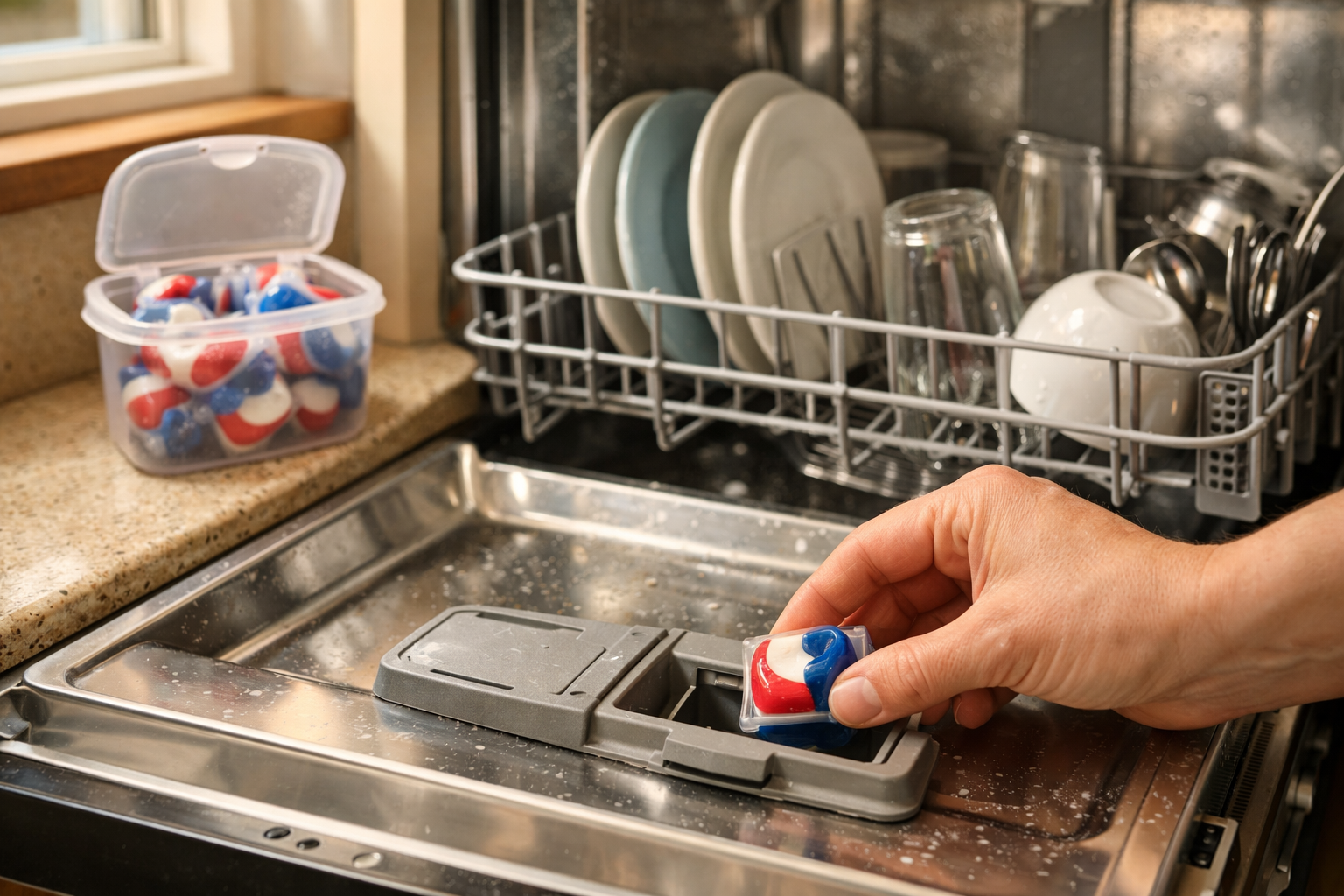
Dishwasher pods seem like the perfect solution—no measuring, no mess, just drop one in and press start. But here’s a question many homeowners quietly wonder: can dishwasher pods clog pipes?
I’ve asked the same thing myself after noticing cloudy residue in the dishwasher filter and wondering where all that detergent actually goes. Does it fully dissolve, or could it build up somewhere deeper in the plumbing?
The short answer: dishwasher pods usually don’t clog pipes when used correctly. However, under certain conditions—like cold water, excessive detergent use, or grease buildup—they can contribute to blockages in your dishwasher drain line or household plumbing.
In this guide, I’ll explain how dishwasher pods dissolve, when they might cause problems, and the real reasons dishwasher drains get clogged. We’ll also look at practical ways to keep your dishwasher, drain hose, and kitchen pipes flowing smoothly.
How Dishwasher Pods Dissolve Inside Your Dishwasher
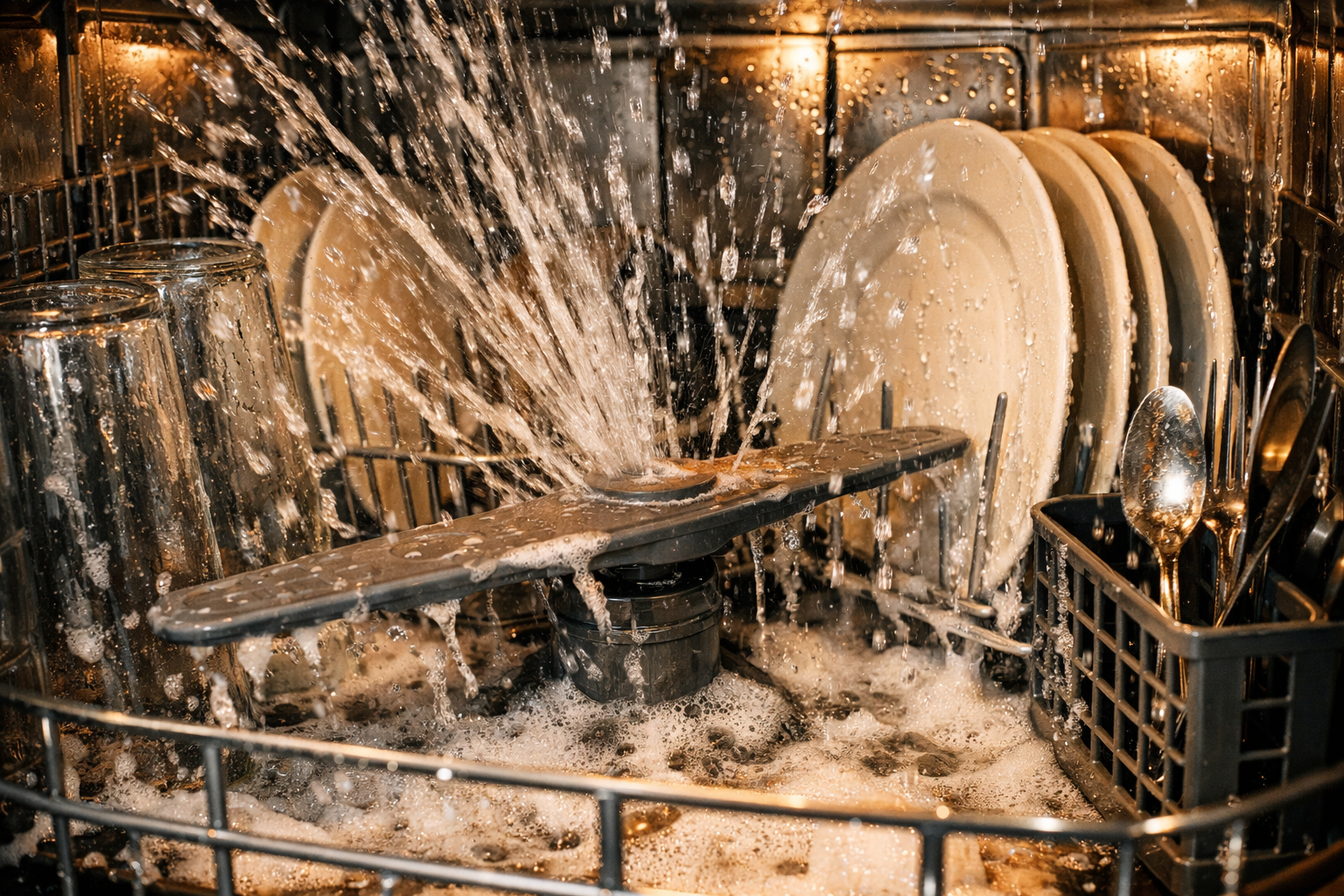
Dishwasher pods are designed to dissolve quickly once exposed to water and heat. The outer film is usually made from a water-soluble material that breaks down as soon as the wash cycle begins. In most modern dishwashers, the water temperature and circulation system ensure the pod dissolves completely.
However, the dissolution process depends heavily on water temperature and water flow. If the incoming water is too cold, the detergent film may dissolve slowly. This can leave small detergent fragments or gel residue inside the dishwasher tub or filter. While these particles rarely clog plumbing directly, they can contribute to buildup over time.
Another factor is detergent concentration. Dishwasher pods contain powerful cleaning agents, enzymes, and sometimes rinse aids packed into a compact form. When used in small loads or soft water areas, the detergent concentration may be higher than necessary. Excess detergent can leave behind residue that collects in filters and drainage pathways.
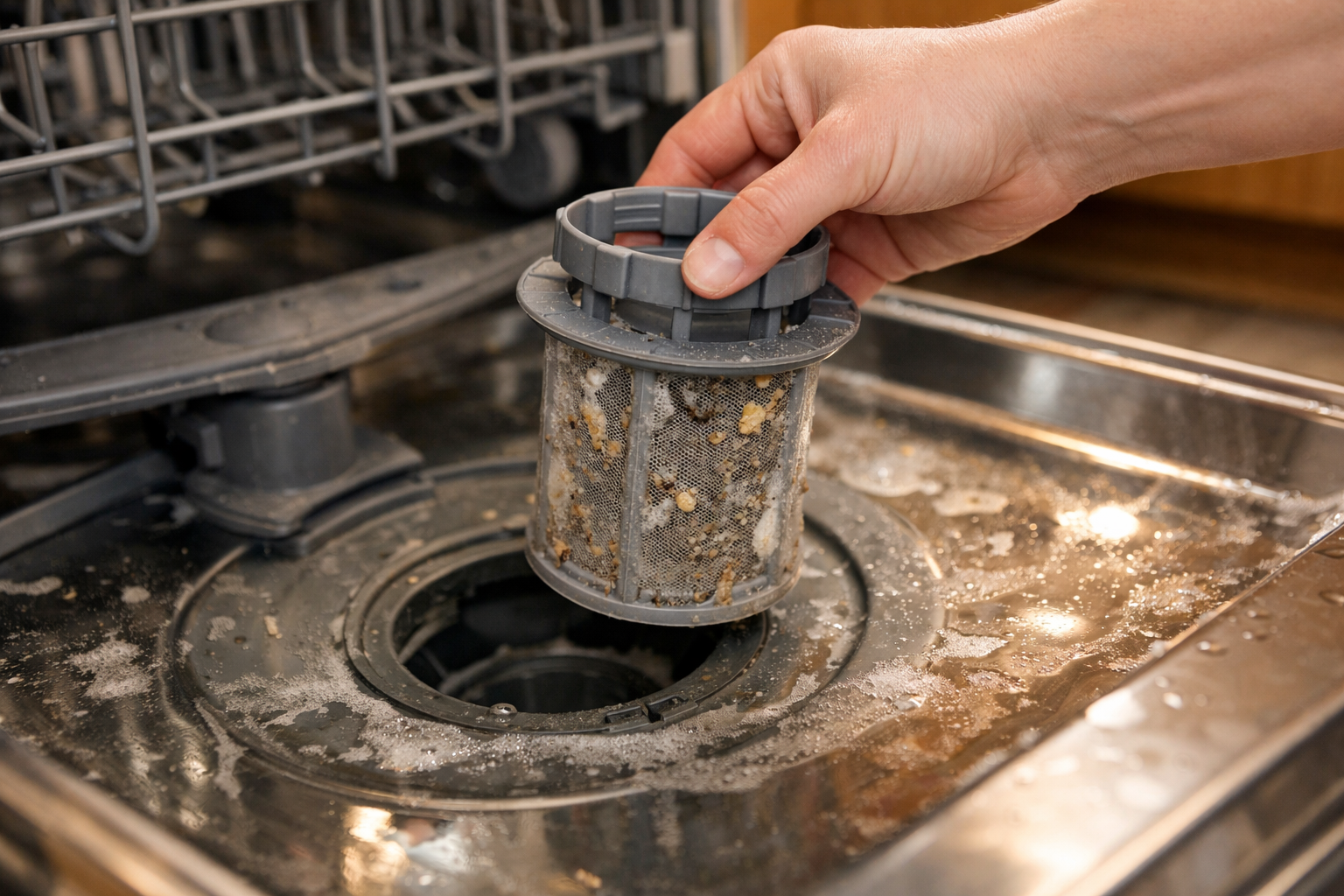
In my own experience, the first place residue appears isn’t the plumbing—it’s the dishwasher filter. If that filter becomes coated with detergent sludge or food particles, drainage slows down. That’s when people start blaming the pods.
When Dishwasher Pods Might Contribute to Pipe Clogs
Although pods rarely clog pipes by themselves, they can contribute to drainage problems under certain conditions. The key issue isn’t the pod—it’s what the detergent mixes with.
Grease and food residue are the most common culprits. Dishwasher detergent is meant to break down oils, but when large amounts of grease enter the drain system, the mixture can cool and solidify further down the pipe. Over time, this sticky buildup traps food particles, soap residue, and mineral deposits.
Another situation involves older plumbing systems or partially clogged drain lines. If a pipe already has buildup from grease or soap scum, detergent residue from pods can stick to those surfaces. Instead of washing away smoothly, it becomes part of the blockage layer inside the pipe.
Improper dishwasher installation can also create problems. A drain hose without a proper high loop or air gap may allow wastewater to stagnate inside the hose. In these cases, detergent residue can settle and mix with debris, eventually restricting water flow.
So while the pod itself isn’t the villain, it can become part of a bigger plumbing issue when combined with grease, food particles, or slow drainage.
Signs Your Dishwasher Drain or Pipes May Be Clogged
When a dishwasher drain starts clogging, the symptoms usually appear long before the pipe completely blocks. Paying attention to these early signs can prevent a much bigger plumbing problem later.
One of the first warning signals is standing water at the bottom of the dishwasher after a wash cycle. If the water drains slowly or remains pooled beneath the lower rack, something is obstructing the drainage system. Often this obstruction is in the dishwasher filter, the drain hose, or the garbage disposal connection.
Another common sign is a sour or musty smell coming from the dishwasher. When detergent residue mixes with trapped food particles, it can create unpleasant odors that linger inside the machine. Many people assume the dishwasher itself is dirty, but the real issue may be restricted drainage.
You might also notice dishes coming out with a chalky film or soap residue. While hard water can cause this too, poor drainage prevents detergent from rinsing away properly. That leftover detergent can settle on dishes and inside the dishwasher interior.
If you see these signs, it’s worth checking the filter, drain hose, and garbage disposal connection before assuming the pipes themselves are clogged.
Common Causes of Dishwasher Drain Clogs
Most dishwasher clogs have nothing to do with detergent pods at all. Instead, they develop from everyday kitchen habits that gradually affect the plumbing system.
Food debris is one of the biggest contributors. While dishwashers are designed to handle small particles, larger food scraps can accumulate in the filter or drain pump area. Over time, these particles combine with grease and detergent residue to create a thick sludge.
Grease and cooking oils are another major factor. When hot water flushes grease down the drain, it travels easily at first. But as it cools deeper in the pipes, it solidifies along the pipe walls. Detergent can’t fully break down this hardened grease, which eventually narrows the pipe.
Hard water minerals also play a role in some households. Calcium and magnesium deposits can build up inside plumbing over time. When detergent residue sticks to these mineral layers, it creates a rough surface that traps additional debris.
Finally, neglected dishwasher maintenance is a surprisingly common cause. Filters, spray arms, and drain areas need occasional cleaning. Without it, residue accumulates and begins restricting water flow.
How to Prevent Dishwasher Pods from Causing Plumbing Issues
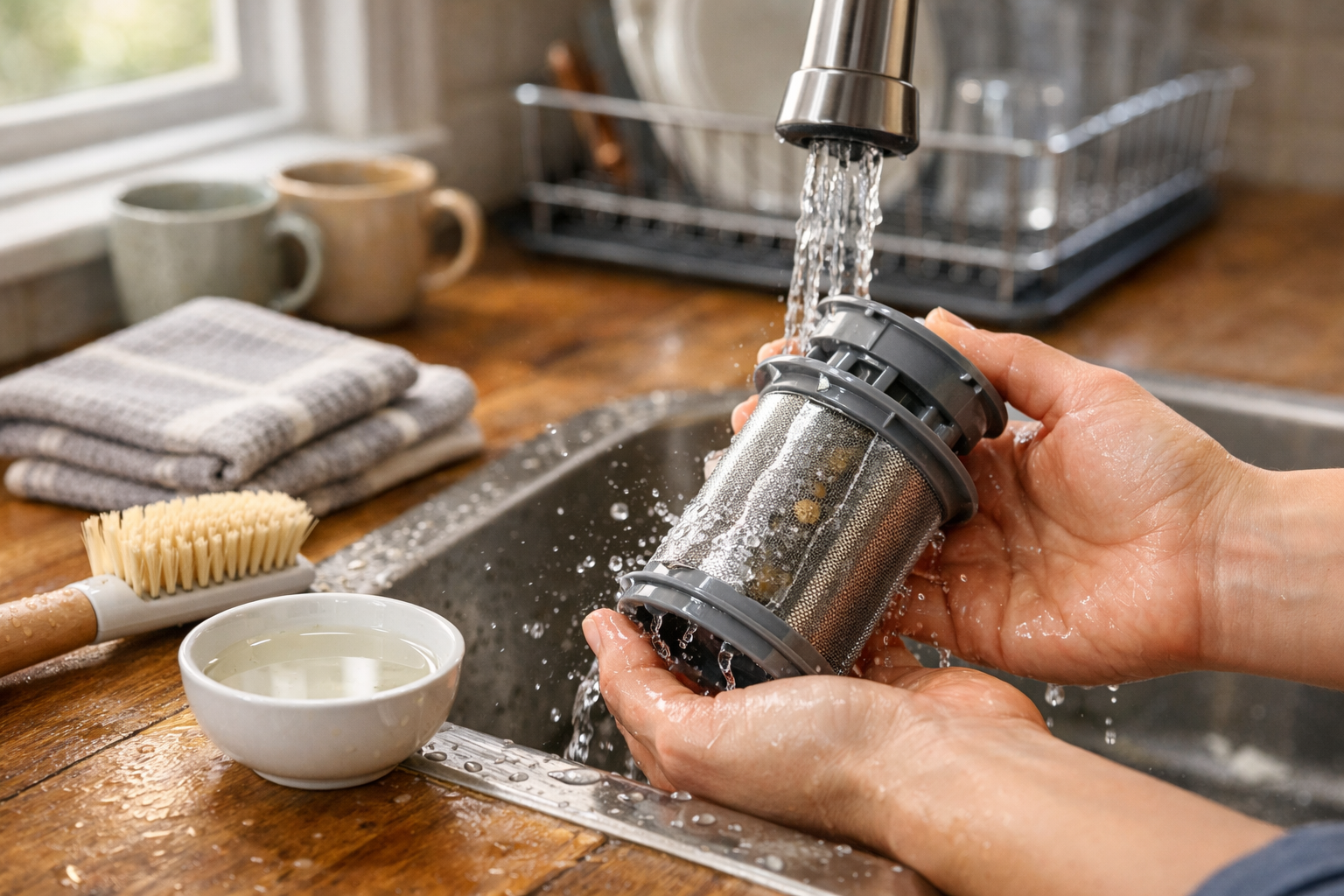
Preventing dishwasher drainage problems is usually simple once you understand what causes them. The goal is to keep detergent, food particles, and grease from building up in the drainage system.
The first habit that makes a difference is scraping large food scraps off dishes before loading them. You don’t need to pre-wash everything, but removing chunks of food helps prevent filter clogs and drain blockages.
Running hot water in the kitchen sink for a few seconds before starting the dishwasher can also help. This ensures the machine begins its cycle with hot water, allowing the detergent pod to dissolve quickly and completely.
Regular dishwasher maintenance is equally important. Cleaning the dishwasher filter once or twice a month removes grease and detergent buildup before it becomes a problem. I started doing this regularly and immediately noticed better cleaning performance.
Occasionally running an empty cycle with dishwasher cleaner or white vinegar can also help break down residue inside the machine and drain line. It’s a simple step that keeps everything flowing smoothly.
Are Dishwasher Pods Worse Than Powder or Liquid Detergent?
Many people assume dishwasher pods are more likely to clog pipes than traditional detergents, but that’s not necessarily true. In fact, the type of detergent rarely makes a major difference for plumbing.
Powder detergent can sometimes leave undissolved granules if the water temperature is too low. Liquid detergent dissolves easily but can still create soap residue if too much is used. Pods simply combine these ingredients in a pre-measured form.
The real advantage of pods is consistency. Because each pod contains a controlled amount of detergent, it reduces the risk of overusing detergent—a common problem with powders and liquids.
However, pods may not be ideal for very small loads or extremely soft water conditions. In those situations, the detergent concentration might be higher than necessary, potentially leaving more residue inside the dishwasher.
From a plumbing standpoint, the biggest factor isn’t the detergent type. It’s the overall condition of the dishwasher, the drain hose, and the household plumbing system.
Conclusion
So, can dishwasher pods clog pipes? In most cases, no—they dissolve completely and flow safely through the drainage system. But under the wrong conditions, such as grease buildup, poor drainage, or cold water cycles, detergent residue can contribute to plumbing blockages.
The good news is that preventing problems is simple. Keep the dishwasher filter clean, scrape large food scraps off dishes, and make sure your dishwasher starts with hot water. These small habits go a long way toward keeping both your dishwasher and your kitchen plumbing working properly.
Dishwasher pods remain one of the most convenient detergent options available. When used correctly and paired with basic maintenance, they’re very unlikely to cause clogged pipes.