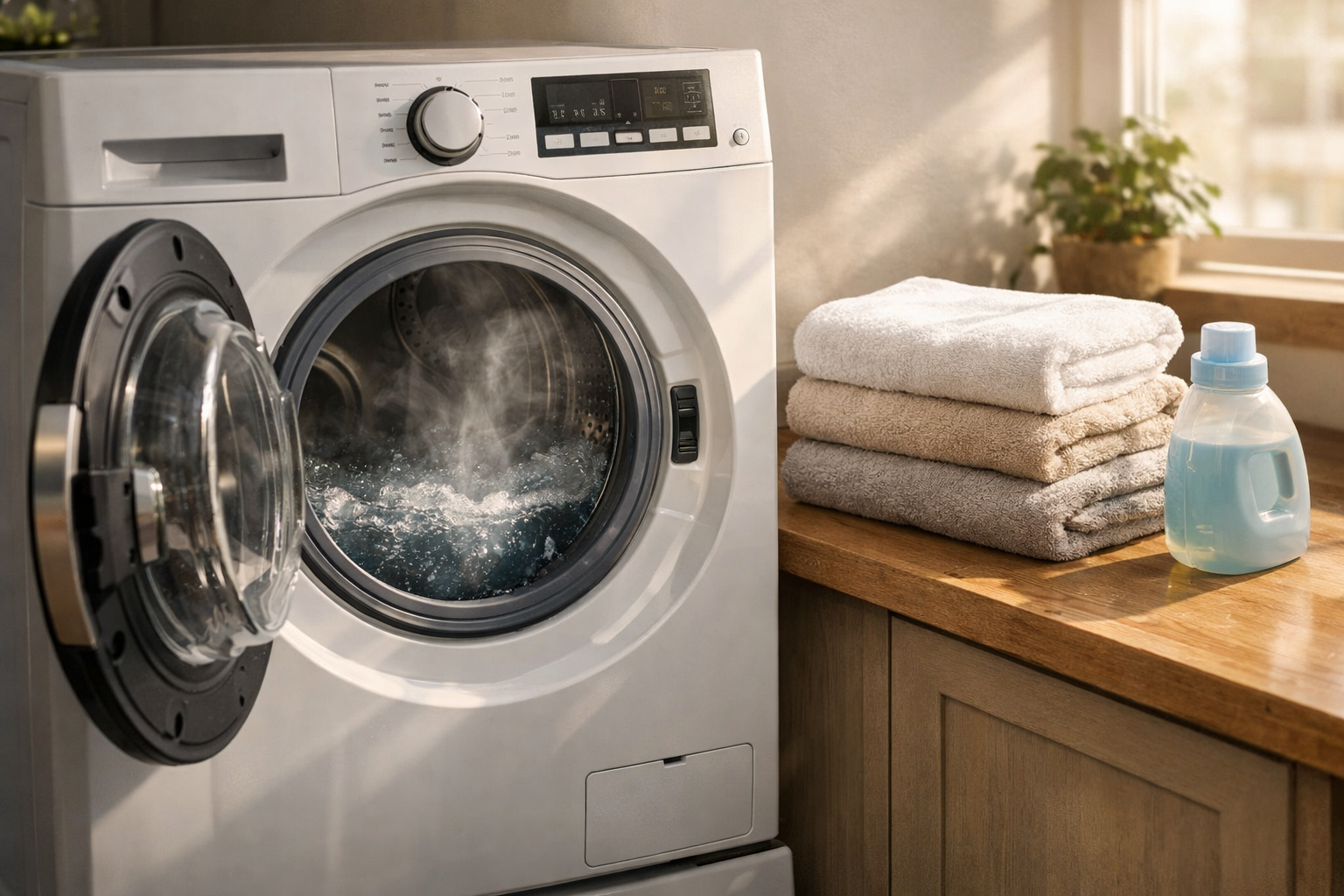
Have you ever wondered why your laundry sometimes feels hotter than a warm summer day, even when you didn’t touch the faucet? It’s a question that baffles many: does a washing machine heat the water? The answer isn’t as simple as “yes” or “no.” Modern washing machines are smarter than ever. They can pull cold water from your tap, heat it to the precise temperature needed for each cycle, and even adjust it based on fabric type or detergent choice.
I remember the first time I accidentally ran a delicate wool sweater on a hot cycle. The result was… let’s just say, a shrunken disaster! That experience taught me how important it is to understand the inner workings of your washer. In this guide, I’ll explain exactly how machines heat water, why some cycles don’t need it, and practical tips for keeping your clothes safe, energy costs low, and cleaning efficiency high.
Whether you’re a casual laundry-doer or a laundry enthusiast, understanding your washer’s heating mechanism will save you headaches — and ruined clothes!
How Washing Machines Heat Water
Modern washing machines heat water through built-in electric heating elements. When you select a hot or warm cycle, the machine uses these elements to raise the water temperature to the desired level, usually between 104°F (40°C) and 140°F (60°C), depending on the cycle. Front-load washers tend to heat water internally, while top-load washers may mix hot water from your tap with cold water for certain cycles.
The heating process is precise. Sensors monitor water temperature and adjust the heating element automatically. I’ve noticed that my washer sometimes pauses during a hot cycle — this isn’t a glitch. It’s the machine letting the water reach the right temperature before spinning. This ensures detergents work effectively, especially with heavily soiled clothes or greasy stains.
Some machines even feature “eco” or “energy-saving” modes. In these cycles, the washer may use lower water temperatures or slightly longer wash times to save energy while still achieving clean results. Understanding this helps you pick the right cycle for your fabrics and energy budget.
Hot Water vs Cold Water: What’s the Difference?
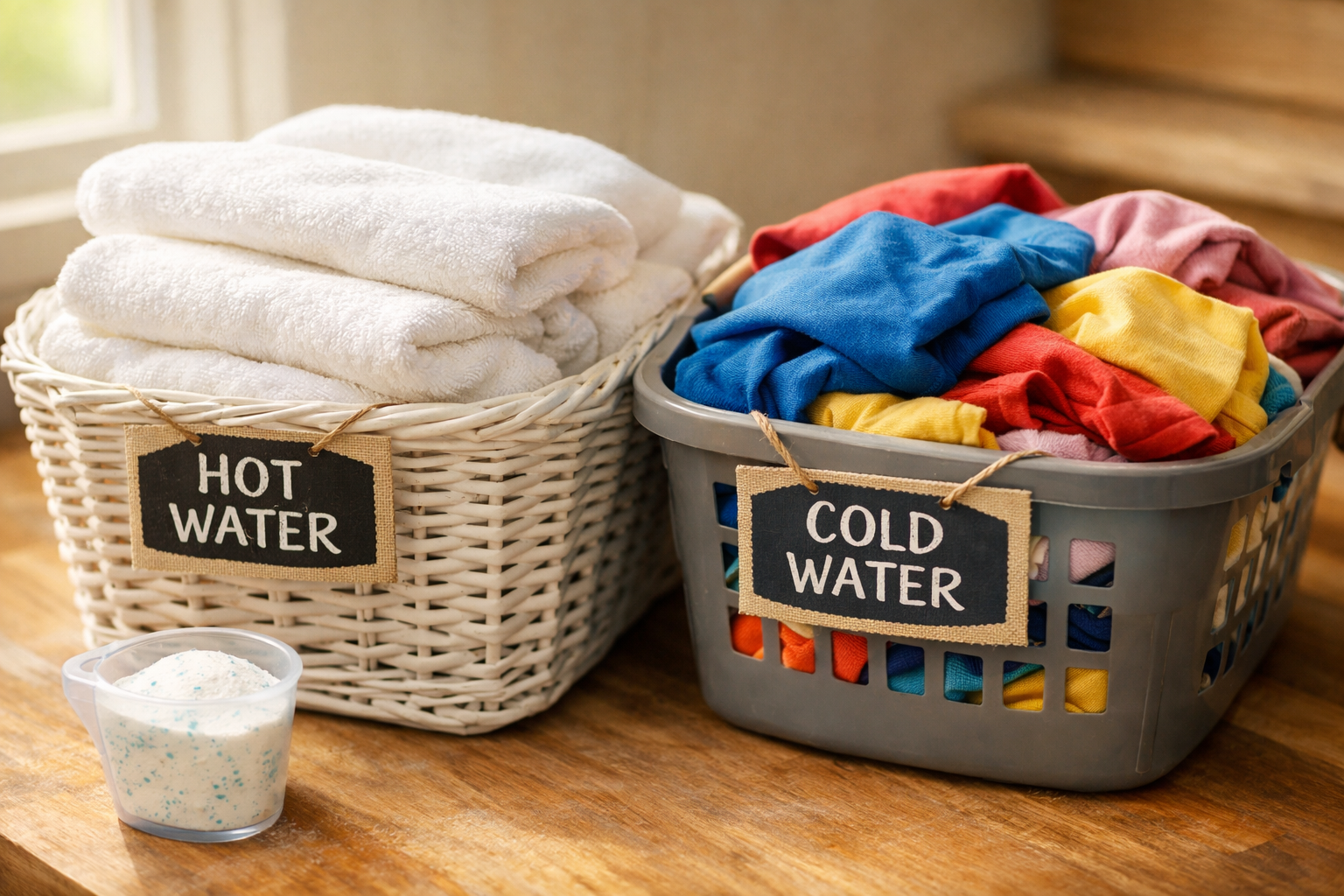
Many people assume hot water always cleans better, but it depends on the laundry. Hot water excels at removing oils, grease, and certain bacteria, making it ideal for towels, bed sheets, and heavily soiled items. I once used hot water on my white gym towels, and the difference was noticeable — they came out fresher and brighter.
Cold water, on the other hand, preserves colors, prevents shrinking, and uses less energy. Delicate fabrics like silk, wool, or polyester blends benefit from cold or warm cycles. I’ve ruined sweaters before by assuming “hot = clean,” so trust the cycle recommendations on garment labels.
Some detergents are formulated specifically for cold water. They activate even without additional heat, saving energy while keeping clothes clean. This is especially useful in households aiming to lower utility bills or minimize environmental impact.
Signs Your Washing Machine Heats Water
Not every washing machine heats water the same way. You can usually tell if it does by checking a few indicators. First, consult the user manual. Most models list whether they feature internal heating elements. Some newer machines advertise “hot water ready” or “instant hot wash” cycles on the control panel.
You can also notice it physically. During a hot cycle, carefully touch the door (on front-load machines) or listen to the water intake in top-load washers. If the water gradually warms up rather than remaining the same temperature as your tap, the machine is actively heating it.
Additionally, higher-end washers with digital displays often show the water temperature as it rises. This feature is particularly handy for laundry enthusiasts who want precision cleaning without guessing.
Energy Efficiency and Water Heating
Heating water consumes the most energy in a typical laundry load. Washers that heat water internally are designed for efficiency. For example, many front-load machines heat only the water required for the cycle rather than filling the drum entirely with pre-heated water.
Choosing cold or warm cycles can significantly reduce energy bills. I switched to primarily warm cycles for my everyday laundry and noticed lower utility costs without compromising cleanliness. Some machines also have sensors that detect load size, adjusting both water volume and heating time to minimize waste.
Understanding how your washer heats water is crucial if you want eco-friendly laundry practices. You can reduce carbon footprint and save money by selecting the right cycles and understanding when hot water is truly necessary.
Common Mistakes When Using Hot Water
One mistake I see often is ignoring fabric care labels. Using hot water on delicate or synthetic fabrics can cause shrinkage, fading, and fiber damage. I learned this the hard way with a wool scarf — it went from cozy to tiny overnight.
Another issue is overloading the washer. Heavy loads prevent water from circulating properly, so even hot water doesn’t reach all garments evenly. I usually run oversized items separately to avoid uneven washing.
Finally, some people assume detergent works better with hot water. While certain stains benefit from heat, many modern detergents are formulated for cold or warm cycles. Using hot water unnecessarily increases energy consumption without improving results.
How to Safely Use Hot Water in Your Washer
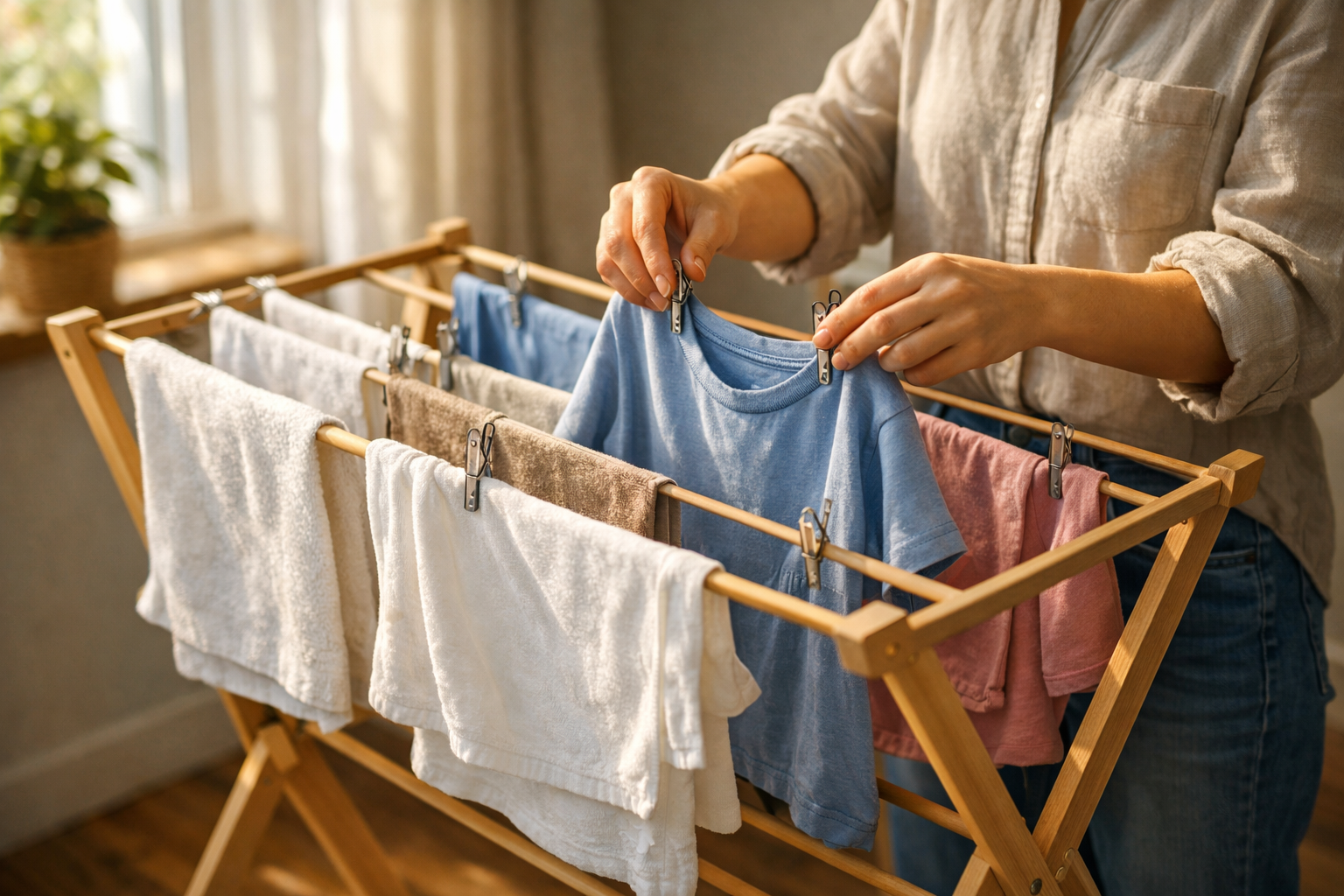
Start by selecting cycles designed for hot water. Towels, sheets, and heavily soiled work clothes are ideal candidates. Avoid delicate fabrics unless your machine specifies a safe hot cycle.
Pre-treat stains before washing. Grease, makeup, or food stains respond better when pre-treated with the right solution rather than relying solely on hot water.
Always balance loads to ensure proper water circulation. Don’t mix heavy fabrics with light ones. For example, washing a thick winter coat with thin cotton shirts can leave the lighter items under-cleaned.
Consider energy-saving options. Some washers allow partial heating or shorter cycles while maintaining effectiveness. This reduces electricity usage without sacrificing cleanliness.
Finally, inspect the machine periodically. Heating elements can build up limescale in areas with hard water, reducing efficiency and lifespan. Regular maintenance keeps your washer performing optimally.
Conclusion
So, does a washing machine heat the water? Absolutely — many modern machines have built-in heating elements that ensure your laundry reaches the optimal temperature. However, not all fabrics require or benefit from hot water. Understanding when and how your washer heats water allows you to protect delicate clothing, save energy, and get consistently clean results.
Next time you load your washer, think beyond “hot or cold.” Consider fabric type, detergent, load size, and energy efficiency. With this knowledge, every laundry day becomes smarter, safer, and more cost-effective. Your clothes will last longer, your bills may shrink, and you’ll finally master the science behind your washer’s heat!