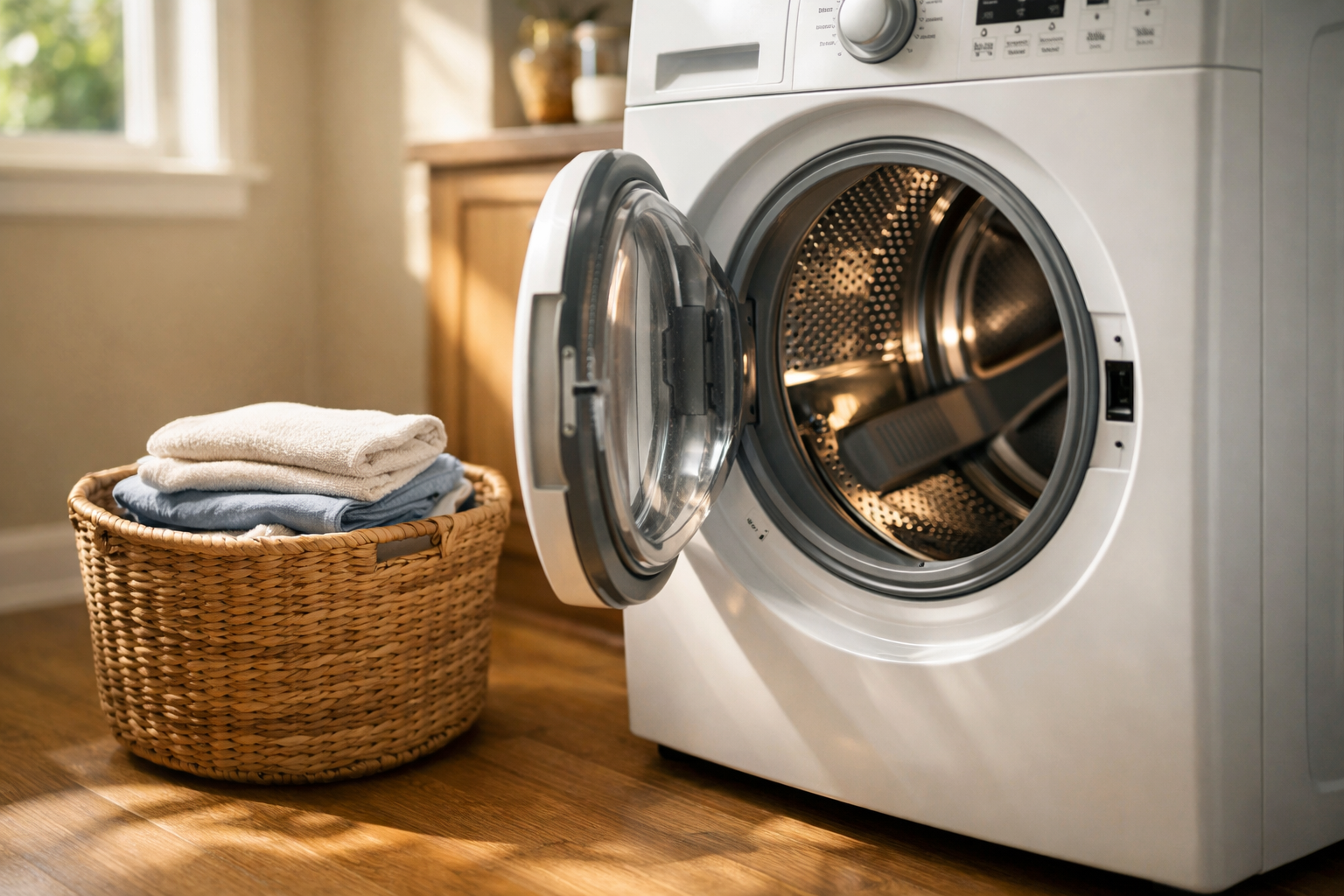
Imagine tossing a load of laundry into your dryer, expecting warm, perfectly dry clothes, only to open the door and find damp towels. Frustrating, right? If you live in San Mateo, dryer problems are more common than you might think, from faulty heating elements to sensors that stop working altogether.
I’ve helped countless homeowners navigate these exact scenarios, and the good news is that most dryer issues can be solved quickly—whether you tackle them yourself or call a local expert. In this guide, I’ll walk you through the world of dryer repair in San Mateo, covering everything from DIY fixes to knowing when it’s time to bring in a professional. You’ll learn how to identify common problems, prevent future breakdowns, and get your laundry routine back on track. By the end, you’ll have actionable insights and confidence to handle almost any dryer issue efficiently!
Common Dryer Problems in San Mateo Homes
Living in a coastal city like San Mateo exposes appliances to extra humidity, which can affect dryer performance over time. One frequent complaint is dryers that won’t start. This can result from a blown fuse, tripped circuit breaker, or a faulty door switch. I’ve personally seen clients’ dryers come to a complete halt because of something as simple as a loose power connection.
Another common problem is uneven drying or clothes remaining damp. Lint buildup or a blocked vent often restricts airflow, causing longer drying times. I once serviced a San Mateo home where towels were consistently damp, and after cleaning the vent system, the dryer functioned perfectly again.
Heating failures are another frequent issue. If your dryer runs but produces cold air, it may be due to a defective heating element or thermostat. Older models, especially those over a decade old, can also experience worn wiring or sensor malfunctions. Noticing subtle signs—like unusual odors, prolonged cycles, or fluctuating temperatures—can help you catch problems early.
Finally, noises like squeaks or rattles often indicate worn drum rollers, idler pulleys, or bearings. Ignoring these sounds can lead to more serious damage, so regular inspections and timely repairs are critical.
Diagnosing Your Dryer
Before diving into repairs, a careful diagnosis is essential. Start by observing the dryer during operation. Check for unusual sounds, irregular heating patterns, or error codes if you have a digital display. Many modern dryers provide diagnostic lights that point directly to common malfunctions.
Next, inspect basic components like the power cord, circuit breaker, and door latch. Sometimes, a seemingly broken dryer is simply unplugged or tripped. I’ve encountered situations in San Mateo where a dryer was assumed faulty, but a quick reset solved the problem entirely.
Airflow is another critical factor. Clean the lint trap and examine the vent system for clogs. Even partial obstructions can reduce efficiency and increase energy consumption. A simple visual and physical inspection often reveals the culprit.
For more technical issues, like heating element failures or faulty sensors, testing with a multimeter is effective. Remember to always disconnect power before handling internal components to ensure safety. Accurate diagnosis prevents unnecessary replacements and saves money.
DIY Dryer Repairs You Can Try
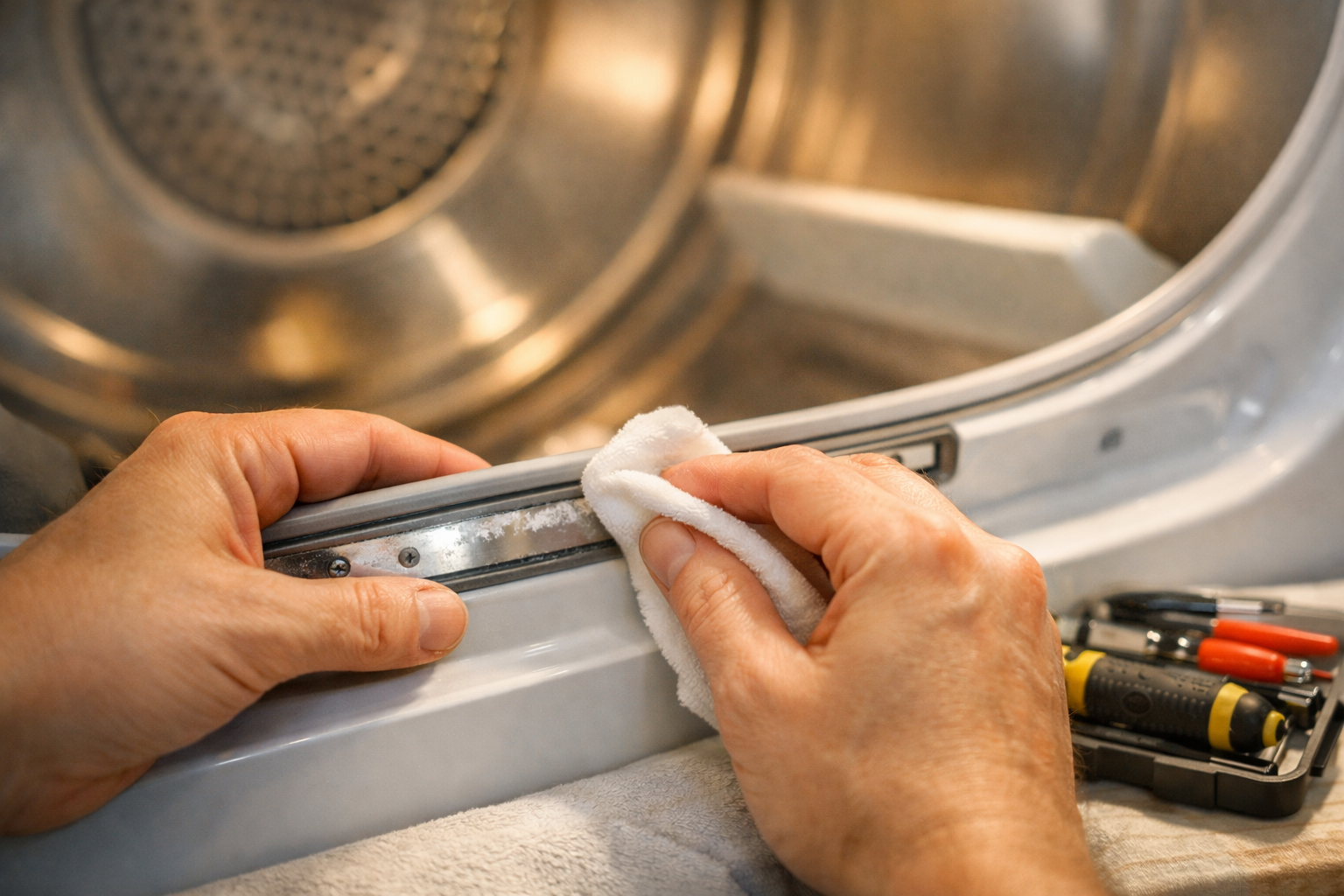
Many dryer problems are manageable at home with some patience and the right tools. Cleaning lint traps and vents is the simplest yet most effective maintenance task. Even minor buildup can cause overheating or uneven drying, and quarterly cleaning can prevent serious issues.
Replacing components like the door switch, drum belt, or rollers is often straightforward. Most models, including popular brands in San Mateo homes, feature accessible panels and screws, making replacements feasible for those comfortable with basic repairs. Using OEM parts guarantees proper fit and function.
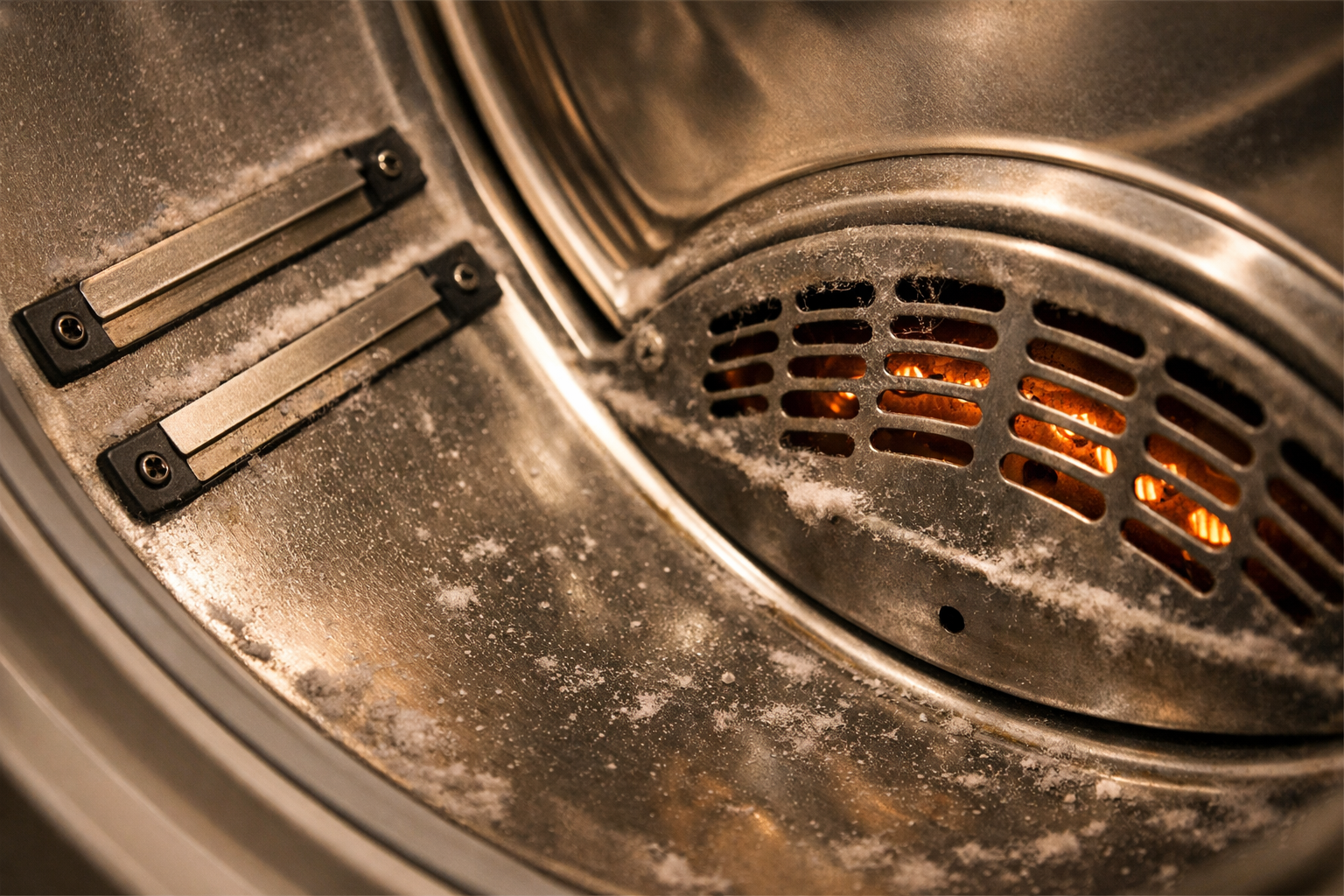
Sensor cleaning is another common DIY fix. Over time, moisture or fabric softener residue can interfere with sensor readings. I once cleaned sensor strips in a client’s dryer using rubbing alcohol, and drying cycles returned to normal immediately.
Resetting the control board on modern units can also help. Simply unplugging the dryer for a few minutes and restarting recalibrates sensors and timers, resolving minor electronic glitches.
Finally, lubricating moving parts like drum rollers and pulleys with manufacturer-approved oils can reduce noise and prolong component life. Regular maintenance like this can keep older units running efficiently for years.
When to Call a Professional Dryer Repair Service
While DIY fixes handle many issues, some problems require professional attention. Electrical failures, control board issues, and major heating element replacements are best handled by certified technicians. Attempting advanced repairs without expertise can worsen problems or void warranties.
If your dryer displays repeated error codes, produces smoke, or continues to overheat, it’s time to call a local San Mateo dryer repair specialist. Professionals can diagnose electrical circuits, replace difficult-to-access components, and ensure safe operation. I’ve seen clients attempt DIY fixes on advanced electronic models, only to end up needing professional intervention anyway.
A skilled technician also performs preventative inspections, checking for hidden wear or electrical hazards. Regular professional servicing extends appliance lifespan and keeps your dryer operating safely and efficiently.
Tips to Prevent Future Dryer Problems
Prevention saves time, money, and stress. Regularly cleaning the lint filter and vent system keeps airflow steady and reduces overheating risks. Using appropriate detergent quantities and avoiding heavy fabric softener buildup also helps maintain sensor accuracy.
Inspecting the dryer for unusual sounds, uneven drum rotation, or fluctuating temperatures is vital. Addressing minor issues early prevents expensive repairs down the line. For older units, replacing worn belts, rollers, or wiring before failure can save hassle later.
Ensure the dryer sits on a level surface to prevent drum misalignment, and avoid overloading loads. Overloading strains motors, heating elements, and sensors, potentially leading to early failure. Finally, keeping a maintenance log of cleaning and repairs can help anticipate future needs and maximize the appliance’s lifespan.
Conclusion
Finding a reliable dryer repair service in San Mateo doesn’t have to be stressful. From DIY fixes like cleaning sensors and vents to knowing when to call a professional, understanding your dryer’s needs ensures smooth laundry cycles. Regular maintenance, careful diagnostics, and timely professional intervention can prevent costly breakdowns and extend the life of your appliance.
By following these tips and insights, you’ll feel empowered to tackle dryer issues safely, efficiently, and confidently—keeping your laundry routine stress-free and your clothes perfectly dry every time.