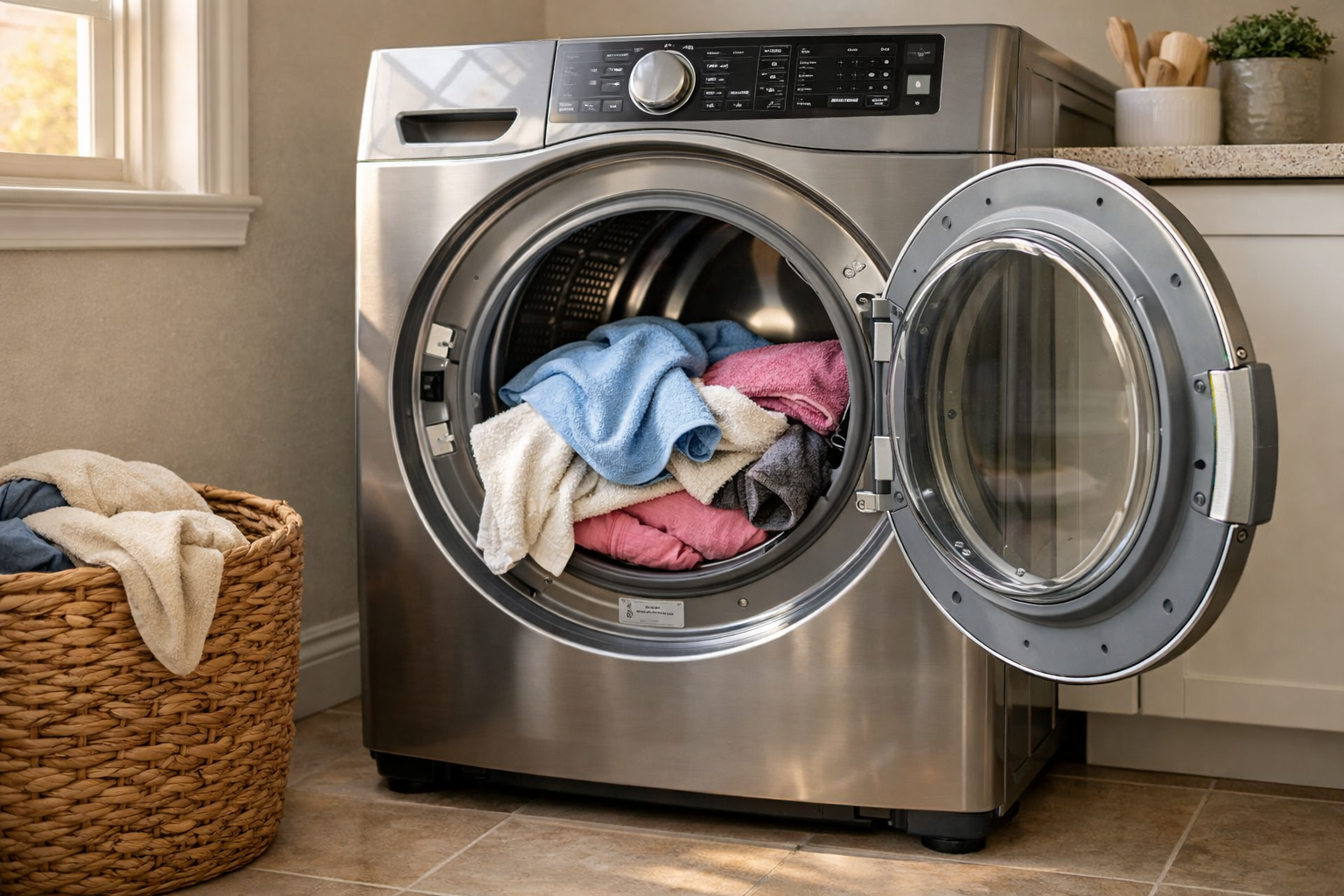
Have you ever opened your dryer only to be hit with a strange, musty odor that smells like a wet dog? It’s more common than you think! I’ve dealt with this myself, and it’s always surprising how quickly a simple appliance can develop such a stubborn smell.
Understanding why your dryer smells like wet dog isn’t just about comfort—it’s about hygiene, appliance efficiency, and preventing potential mold or lint hazards. In this guide, I’ll walk you through the most frequent causes, from hidden lint and moisture buildup to clogged vents and mold growth. You’ll also learn practical, step-by-step solutions to eliminate the odor and keep your dryer smelling fresh. By the end, you’ll know exactly what to check, clean, or repair to restore a clean, fresh-smelling laundry routine.
How Moisture Causes That Wet Dog Smell
One of the primary reasons a dryer smells like wet dog is moisture trapped inside the drum or vent system. Even after drying cycles, residual humidity can linger in certain materials. When this happens, bacteria and mildew thrive, producing that unmistakable damp, musty odor.
I remember checking my old laundry setup and discovering that the vent duct had a small sag where water collected after a rainy day. That tiny accumulation was enough to create a strong wet dog smell that invaded every load. Proper airflow and ensuring your vent has no low points are essential for keeping moisture from lingering.
Fabric items themselves can contribute to the odor. Towels, sports gear, or blankets that aren’t fully dried before entering the dryer can release extra moisture, feeding bacterial growth. Even if the drum feels dry to the touch, hidden pockets of dampness can harbor odor-causing organisms.
Lint Buildup and Hidden Debris
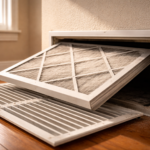
Lint isn’t just a fire hazard—it can also trap moisture and odors. When lint accumulates in the dryer drum, lint trap, or vent system, it can absorb dampness from wet laundry. Over time, this combination becomes a breeding ground for bacteria, producing a smell similar to a wet dog.
I once cleaned a dryer vent in an older home and found a mixture of lint and stray pet hair lodged deep inside the metal duct. The homeowner complained of persistent odor despite regular cleaning of the lint filter. Removing the hidden buildup eliminated the smell entirely. Regular deep cleaning, including vent ducts, can prevent this problem from recurring.
Mold and Mildew in the Dryer Drum
Mold and mildew are notorious for causing damp, animal-like smells. If your dryer has been exposed to high humidity, leaks, or hasn’t been used frequently, the interior surfaces can develop microbial growth.
To check for mold, inspect the drum and door gasket carefully. Black or green spots indicate active growth, while a musty scent is a warning sign even if visible mold is absent. I recommend wiping the drum with a solution of equal parts water and white vinegar, then running a short drying cycle with no clothes to ensure complete drying. Proper ventilation and leaving the door open between cycles also help prevent new growth.
Dryer Vent Issues and Odor Transfer
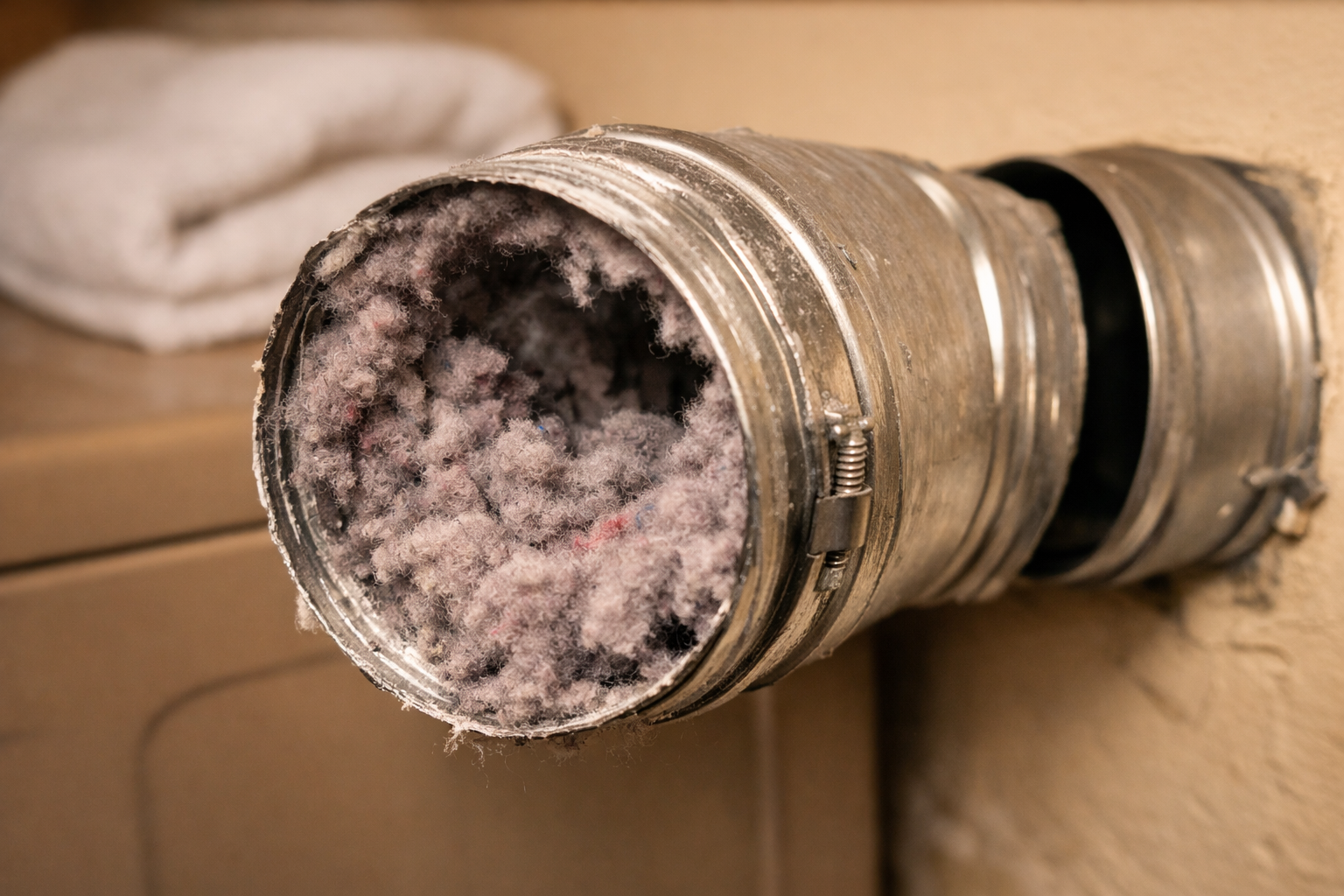
A clogged or improperly installed dryer vent can trap moist air and lint, creating a lingering odor that smells like wet dog. Vent restrictions reduce airflow, causing the dryer to overheat slightly and retain moisture longer than it should.
I once inspected a vent that ran through a narrow attic crawlspace. The long run, combined with several 90-degree bends, caused condensation and lint buildup. After clearing the obstruction and improving vent alignment, the musty smell vanished completely. Regular vent inspections and cleaning are key to avoiding both odors and safety hazards.
Fabric Type and Laundry Habits
Believe it or not, the types of fabric you dry and how you handle laundry can influence odors. Synthetic fibers, gym clothes, or damp towels that are left sitting before drying can develop stronger smells.
I personally noticed that washing sports gear separately and ensuring items are fully spun in the washer before drying drastically reduced the wet dog smell in my laundry. Using a slightly lower heat setting can also prevent overheating that may “bake in” odors onto fabrics.
Cleaning and Maintenance Tips
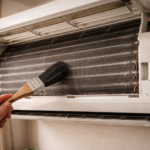
Routine cleaning is essential to prevent recurring wet dog smells. Start with the lint trap, then clean the dryer drum, vent ducts, and exterior surfaces. A mixture of mild detergent and vinegar works wonders for odor elimination.
Running an empty cycle with a few dryer sheets or a small bowl of baking soda can also absorb lingering odors. For persistent smells, professional vent cleaning may be required, especially in older homes with long or flexible ductwork.
Small habits, like leaving the dryer door open after use and checking the vent for moisture, go a long way in maintaining freshness. I’ve found that these simple steps prevent odors from returning and keep laundry smelling clean for months.
Conclusion
A dryer that smells like wet dog is usually a sign of trapped moisture, lint buildup, mold, or vent problems. By understanding the causes—from residual dampness to clogged vents—and applying proper cleaning and maintenance techniques, you can restore a fresh-smelling laundry routine.
Regular inspections, proper vent alignment, thorough drying, and occasional deep cleaning are the keys to odor-free laundry. Implementing these strategies ensures your dryer not only smells clean but operates efficiently and safely for years to come.