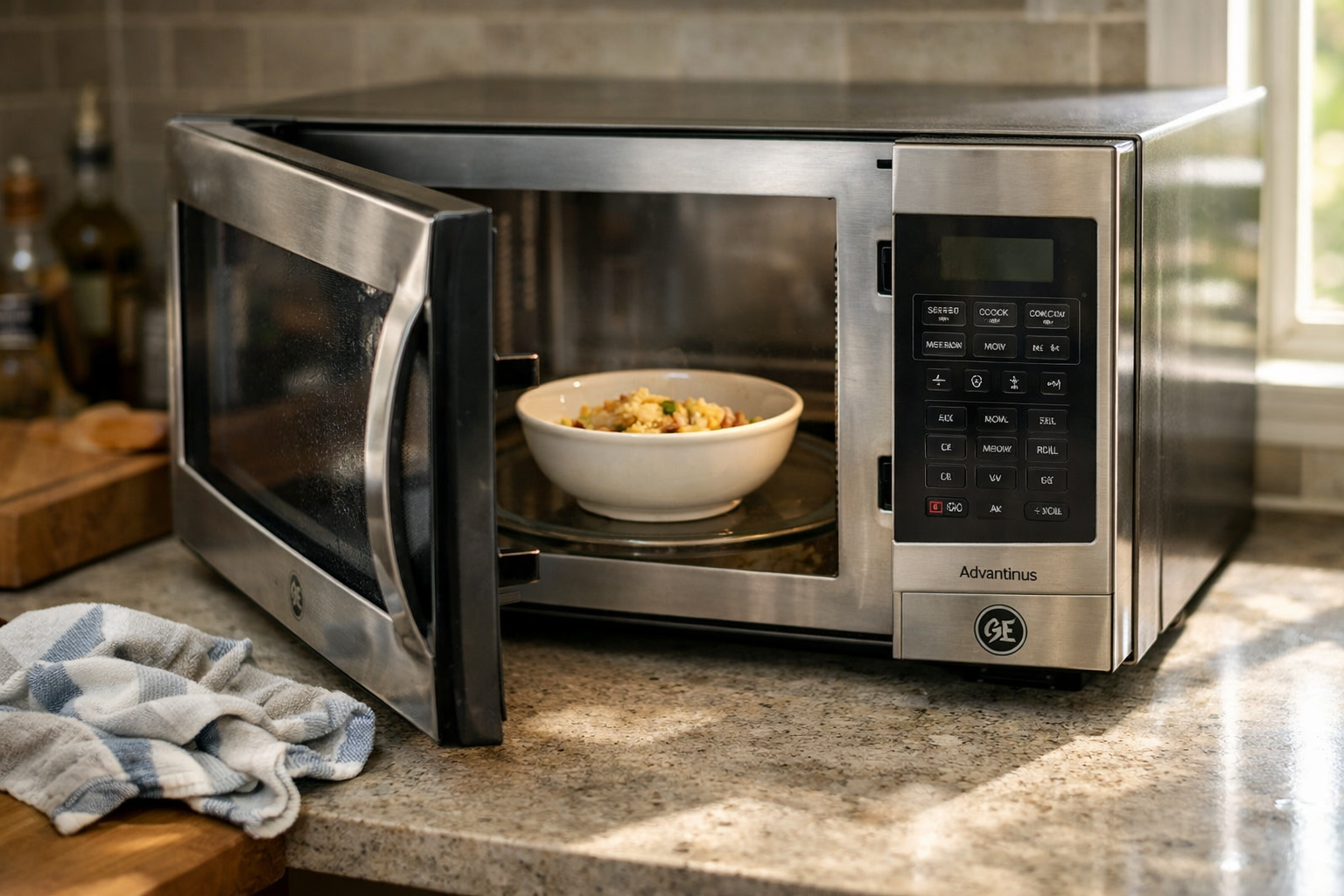
If your GE Advantium microwave has stopped heating, made a buzzing noise, or simply refuses to cook like it used to, you’re not alone! These high-performance speedcook microwaves are beloved for their speed and versatility, but their complexity can make repairs tricky. I’ve personally helped people troubleshoot Advantium ovens that seemed dead, only to discover small, fixable issues hiding behind intimidating electrical systems.
In this guide, I’ll take you step-by-step through everything you need to know about GE Advantium microwave repair. From diagnosing common problems and understanding key components to practical tips on safe fixes and deciding whether professional service is worth it, we’ll cover it all. You’ll learn how to spot electrical issues, address heating failures, and keep your microwave running efficiently—without unnecessary replacements or wasted time. Whether you’re a homeowner tackling a DIY repair or just trying to understand what’s going wrong, this guide has you covered!
Why GE Advantium Microwaves Need Specialized Repairs
GE Advantium microwaves are not ordinary ovens. They combine convection, microwave, and speedcook technology in one appliance. While this makes cooking fast and versatile, it also means that when something goes wrong, diagnosing the problem can be challenging. Many users assume that a microwave that won’t heat is simply “broken,” but often, the issue lies in a specific internal component.
From my experience, owners frequently report loud buzzing, uneven heating, or complete failure to cook. These symptoms are usually linked to the magnetron, high-voltage diode, or control board, rather than the microwave’s general mechanics. Understanding the appliance’s unique combination of electrical and mechanical systems is key. If you attempt a generic repair without considering Advantium-specific designs, you could worsen the problem or risk electric shock.
Another reason specialized repair is important is cost. Advantium parts are more expensive than standard microwaves, so accurate diagnosis avoids unnecessary replacements. Taking the time to identify the exact fault can save both money and frustration. I’ve seen homeowners throw away microwaves for what turned out to be a simple diode replacement.
Common Problems and Symptoms
When a GE Advantium microwave fails, there are telltale signs that help identify the root cause. One of the most frequent complaints is loud humming or buzzing combined with no heat. This often points to a failing magnetron, the component that generates microwave energy. I’ve personally opened units where the magnetron was clearly overheating, producing noise but unable to cook food.
Another common problem involves the control board or touchpad failing, which can prevent the microwave from starting or stopping mid-cycle. Users often describe this as the appliance “turning on but doing nothing.” In some cases, loose or damaged wiring inside the oven causes intermittent heating. This can be confusing because the microwave may appear functional while silently failing.
Turntable issues and sensor failures also occur, but they rarely cause complete heating failure. These symptoms may manifest as uneven cooking or inconsistent speedcook times. Recognizing the difference between mechanical issues and electrical failure is critical for safe and effective repair.
Diagnosing Electrical Components
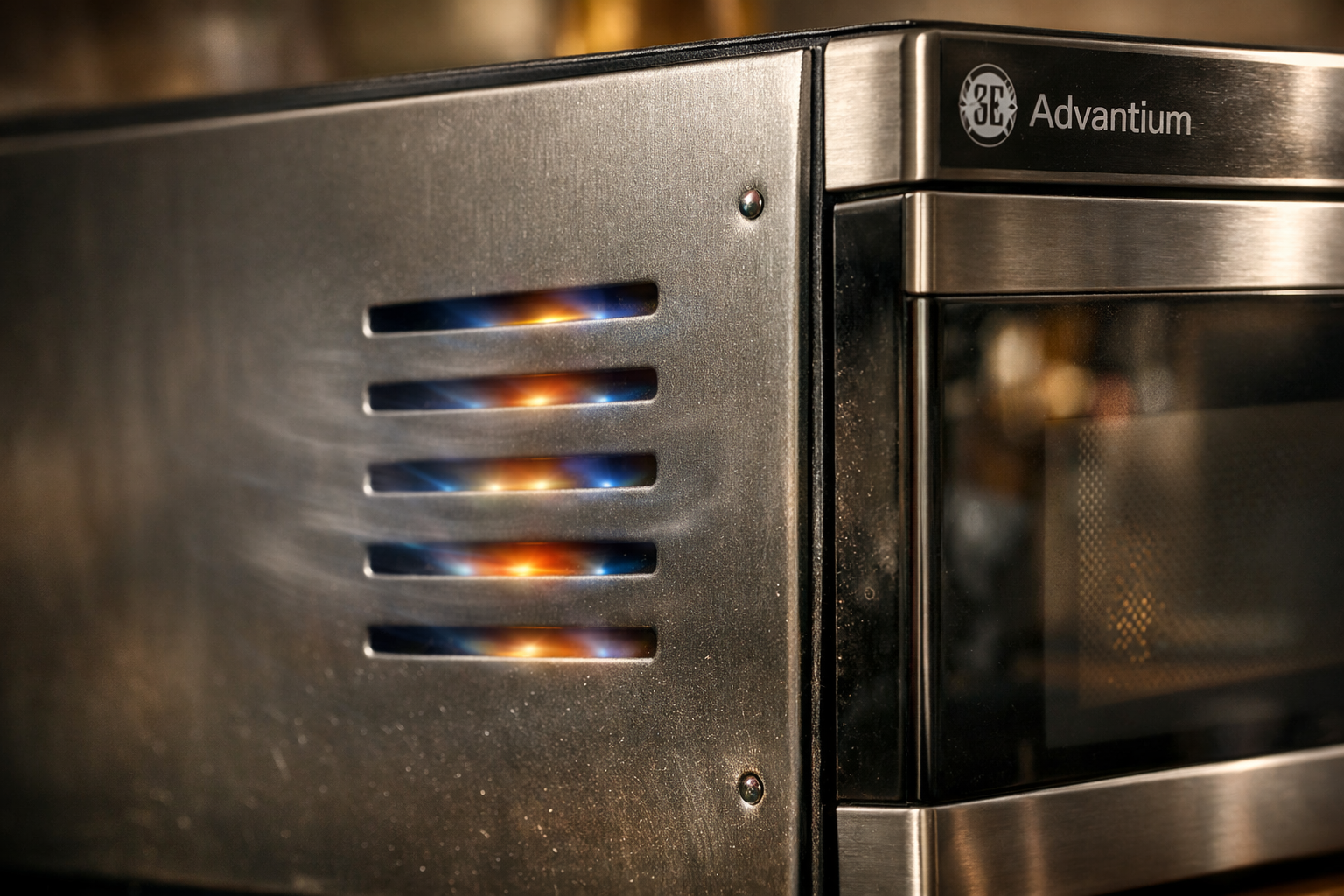
Before attempting any repair, understanding the microwave’s high-voltage electrical components is crucial. The magnetron, high-voltage diode, and capacitor work together to generate and deliver energy for cooking. A failing magnetron often produces loud noise, while a faulty diode or capacitor can prevent heating altogether.
I always advise unplugging the appliance and visually inspecting for obvious signs of damage, such as burnt wires, scorched connectors, or melted insulation. Even if you plan to call a professional, this initial check can save time and help describe the problem accurately.
Testing components usually requires a multimeter or specialized tools. For example, checking a high-voltage diode involves measuring resistance and continuity under specific conditions. Capacitors can hold dangerous charges even when unplugged, so only trained individuals should handle these parts. Understanding these risks helps you decide whether DIY repair is feasible or professional service is necessary.
DIY vs Professional Repair

Many homeowners wonder if they can fix a GE Advantium microwave themselves. The truth is, some repairs are possible for confident DIYers, such as replacing a turntable motor, cleaning sensor contacts, or reseating loose wires. However, high-voltage component replacement, magnetron repair, or control board fixes require professional expertise.
I’ve guided people through DIY diode replacement, which is safe if you follow exact instructions and precautions. Yet, even a small mistake can result in electric shock, fire, or permanent damage to the appliance. The value of professional repair is not just expertise but also access to genuine GE parts, warranties, and the knowledge to diagnose hidden issues quickly.
Cost is another factor. Professional repair often balances between price and microwave age. For newer Advantium units, repair is often worthwhile. For older models, replacement may be more cost-effective, especially considering the expense of magnetron or control board replacement.
Maintenance Tips to Avoid Repairs
Preventative care is the best way to extend the life of your GE Advantium microwave. Regular cleaning, avoiding metal inside the oven, and ensuring vents remain unobstructed can prevent many common failures. I always tell people to inspect the door seals and hinges; even slight misalignment can cause overheating or sensor errors.
Avoid running the microwave empty or for excessively long cycles. Speedcook settings generate high energy levels, which can stress internal components. Minor adjustments, like using microwave-safe containers and covering food properly, reduce splatter and protect the cavity.
Lastly, periodically check the power cord and plug for wear. Electrical issues are often traced back to frayed wires or loose connections. These small steps not only keep the microwave functioning efficiently but also improve safety.
When Replacement Makes Sense
Despite careful maintenance, some Advantium microwaves reach the end of their repairable life. Signs that replacement is the smarter choice include repeated failures, high repair costs relative to the appliance’s value, or damage to core electrical components.
I’ve seen people repeatedly repair magnetrons or control boards, only to face the same problem months later. At that point, replacement ensures consistent performance and peace of mind. Choosing a new Advantium model or alternative speedcook appliance can also improve energy efficiency and incorporate updated safety features.
Safety considerations are paramount. If your microwave has exposed electrical damage, excessive noise, or burnt smells, stop using it immediately. Continuing operation risks further damage, electrical shock, or fire hazards.
Conclusion
GE Advantium microwave repair requires careful diagnosis, safety awareness, and knowledge of specialized components. Most heating failures are caused by the magnetron, high-voltage diode, or control board, while mechanical issues rarely stop cooking entirely.
DIY repair is possible for minor issues, but high-voltage components should always be handled by trained professionals. Preventative maintenance, careful use, and early intervention can prevent costly repairs. When repair costs exceed value, replacement is the safer, more practical option. By understanding these common problems and solutions, you’ll keep your GE Advantium microwave running safely and efficiently for years to come.