Have you ever walked into a room and instantly felt either too cold or too warm—no matter how long the AC was running? That small detail, the temperature setting, actually makes a huge difference in both comfort and energy bills.
So, what is a good temp for air conditioner? It’s not just about comfort—it’s about efficiency, health, and even your electricity costs. Setting your AC too low can overwork your system, while setting it too high can leave you uncomfortable and sweaty.
In this guide, I’ll break everything down in a simple, practical way. I’ll share what temperature works best for different situations, how I personally manage AC settings at home, and common mistakes people make without realizing it. By the end, you’ll know exactly how to set your air conditioner for the perfect balance of comfort and efficiency.
The Ideal Air Conditioner Temperature Range
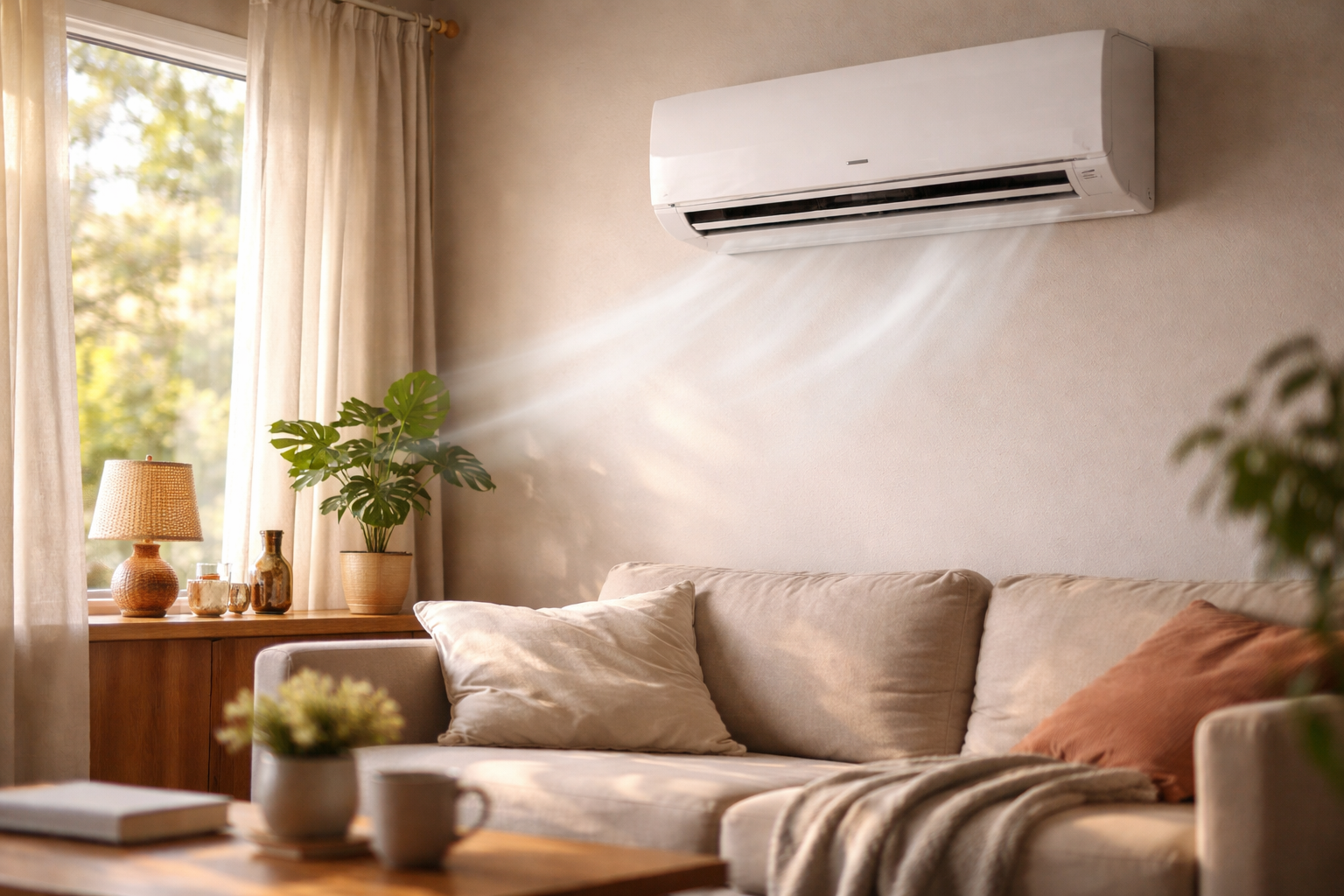
When it comes to a good air conditioner temperature, most experts recommend setting your AC to around 24–26°C (75–78°F). This range is widely considered the sweet spot for balancing comfort and energy efficiency.
From my own experience, keeping the temperature around 24°C during the day keeps the room cool without making it feel like a refrigerator. It’s comfortable enough for daily activities without putting unnecessary strain on the system.
Lowering the temperature further may feel nice at first, but it quickly increases energy consumption. Your AC compressor works harder, runs longer, and ultimately raises your electricity bill.
This recommended range also aligns with energy guidelines from organizations like the U.S. Department of Energy, which suggests setting your thermostat as high as comfortably possible to save energy.
How Temperature Affects Energy Consumption
Air conditioners don’t just cool your home—they consume electricity based on how much cooling they need to provide. The lower you set the temperature, the more work your system has to do.
For example, setting your AC at 20°C instead of 25°C forces the system to run longer cycles. This not only increases your electricity bill but also adds wear and tear to components like the compressor and evaporator coil.
I learned this the hard way during a particularly hot summer. I kept my AC at a very low temperature, thinking it would cool the room faster. Instead, it just ran continuously without ever shutting off, leading to higher bills and less efficiency.
Small changes in temperature can make a big difference. Even raising the thermostat by 1–2 degrees can reduce energy consumption significantly while still keeping you comfortable.
Best AC Temperature for Different Situations
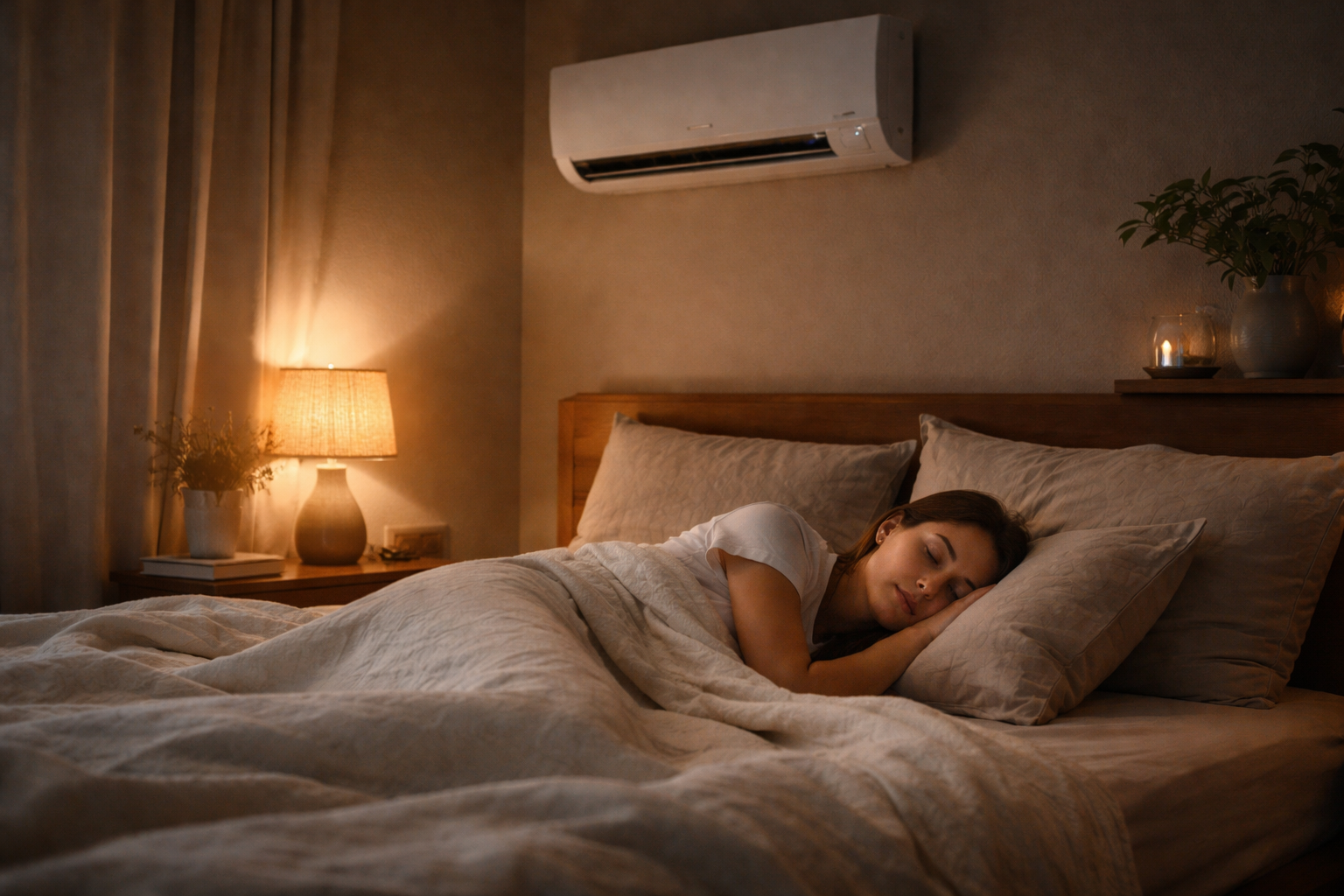
The ideal AC temperature can change depending on the situation, time of day, and who is in the room. What works at night might not be ideal during the afternoon.
During the Day
During daytime hours, a temperature around 24–26°C works well. It keeps you cool while allowing the system to run efficiently. If you’re active or working from home, this range helps maintain focus without feeling too cold.
At Night
At night, many people prefer slightly cooler temperatures, around 22–24°C. Cooler air helps with better sleep quality, but going too low can disrupt your sleep by making you too cold during the night.
For Children and Elderly
For households with children or elderly people, a stable and moderate temperature is important. Around 24–26°C is usually safest, as extreme cold can cause discomfort or health issues.
In my own home, I’ve noticed that maintaining a consistent temperature instead of constantly changing settings creates a more stable and comfortable indoor environment.
Humidity and Its Impact on Comfort
Temperature alone doesn’t define comfort—humidity plays a huge role too. Even at the right temperature, high humidity can make a room feel warmer and sticky.
Air conditioners naturally remove some humidity as they cool the air, but in very humid environments, you might still feel uncomfortable. That’s because moisture in the air affects how your body perceives temperature.
I’ve experienced this in monsoon seasons. Even with the AC set at 24°C, the room felt warmer because of high humidity levels. Adding a dehumidifier or running the AC for longer cycles helped balance the moisture in the air.
Maintaining proper humidity levels alongside temperature is key to achieving true comfort in your home.
Common Mistakes People Make with AC Temperature
One of the most common mistakes is setting the AC temperature too low, thinking it will cool the room faster. In reality, air conditioners cool at a fixed rate, so lowering the temperature only forces the system to run longer.
Another mistake is constantly changing the thermostat. Frequent adjustments confuse the system and prevent it from maintaining a stable temperature. It’s better to set a steady temperature and let the AC do its job.
Blocking airflow is another overlooked issue. If vents are blocked or filters are dirty, even the best temperature setting won’t be effective. Proper airflow ensures that cool air is distributed evenly throughout the room.
I’ve seen many cases where people blamed the AC for poor cooling, when in reality the issue was a dirty filter or poor insulation.
Smart Thermostats and Temperature Control
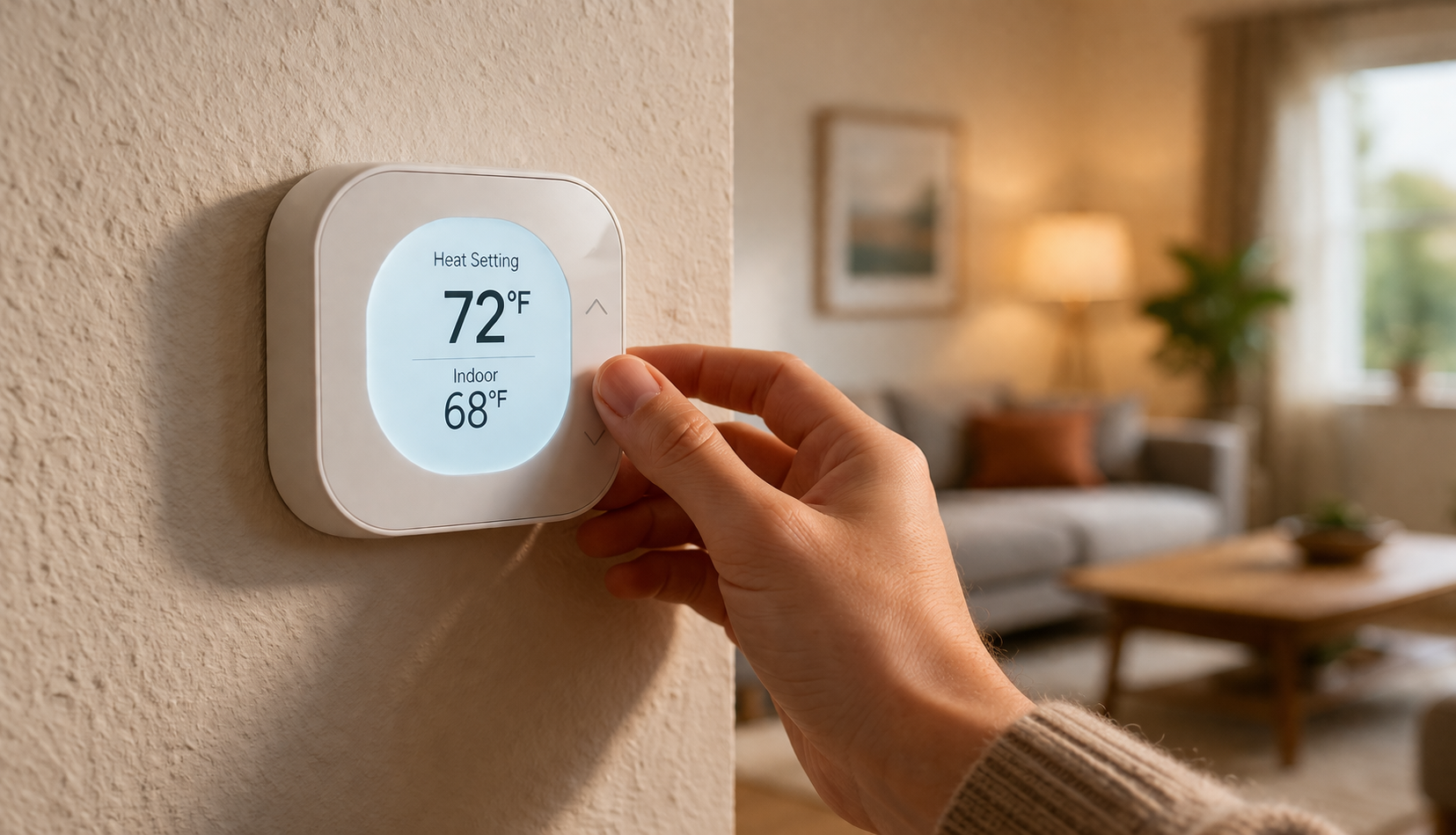
Modern smart thermostats make it much easier to maintain a good air conditioner temperature. These devices can automatically adjust settings based on your schedule and preferences.
For example, you can program your thermostat to increase the temperature when you’re not home and lower it before you return. This saves energy without sacrificing comfort.
I personally use a smart thermostat at home, and the difference is noticeable. I no longer have to constantly adjust the AC—it handles everything automatically based on usage patterns.
Smart thermostats also provide insights into energy usage, helping you understand how your temperature settings impact your electricity bill.
Final Thoughts: Finding Your Perfect AC Temperature
So, what is a good temp for air conditioner? The answer lies in balance. Around 24–26°C is ideal for most situations, but the best setting ultimately depends on your comfort, environment, and lifestyle.
The key takeaway is simple: don’t just chase cold air—aim for efficient comfort. Small adjustments in temperature can significantly reduce energy costs while keeping your home comfortable and healthy.
Start by setting your AC to a moderate temperature, monitor how it feels, and make small adjustments from there. With the right balance, you can enjoy both comfort and energy savings without compromise.