Ever wondered why stepping into an air-conditioned room instantly feels like relief—even on the hottest summer days? I used to think it was just “cold air being blown,” but the truth is far more fascinating and surprisingly elegant. A home air conditioner doesn’t create cold air at all—it actually removes heat from inside your home and moves it outside.
Understanding how a home air conditioner works can completely change the way you think about cooling systems, energy use, and even your electricity bill. The process involves components like the compressor, evaporator coil, and condenser, all working together in a continuous cycle.
In this guide, I’ll break down everything in a simple, human way—no confusing jargon. You’ll see how each part works, why maintenance matters, and how small issues can affect performance. By the end, you’ll not only understand your AC system—you’ll know how to get the best performance out of it.
The Basic Cooling Principle Behind Air Conditioners
At its core, the way a home air conditioner works is based on heat transfer, not cold creation. This is a concept rooted in thermodynamics, where heat naturally moves from warmer areas to cooler ones.
Your air conditioner uses a special substance called a refrigerant. This refrigerant has the unique ability to absorb heat from indoor air and release it outside. It constantly changes between liquid and gas as it cycles through the system, which allows it to carry heat efficiently.
When I first learned this, it clicked—your AC is basically a heat transporter, not a cold generator. That’s why even a small amount of airflow can feel so refreshing when the system is working correctly.
Key Components of a Home Air Conditioner
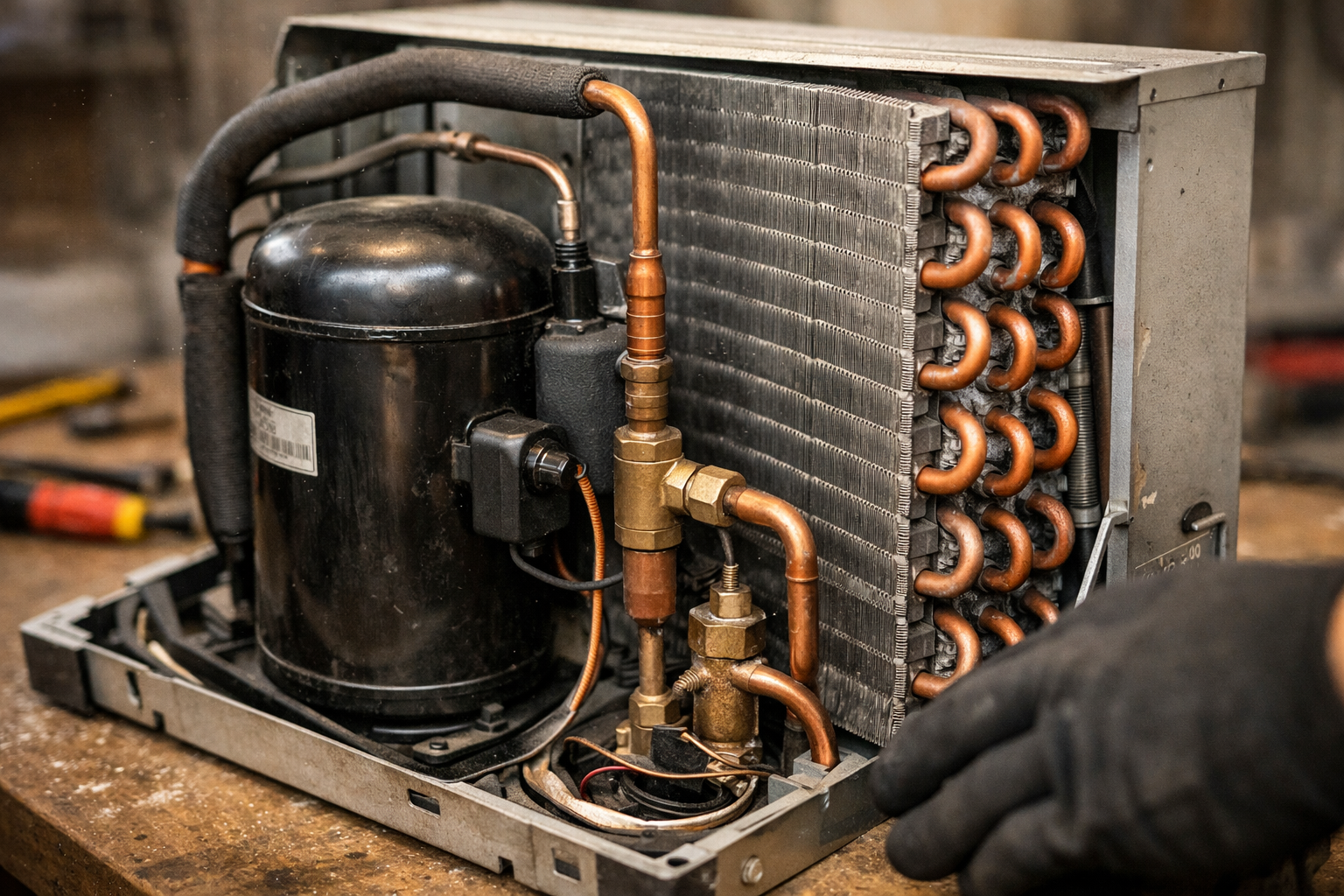
A standard home AC system is made up of several critical parts, each playing a specific role in the cooling process. The main components include the compressor, evaporator coil, condenser coil, expansion valve, and refrigerant lines.
The compressor is often called the “heart” of the system. It compresses the refrigerant, increasing its pressure and temperature so it can move through the system efficiently. Without the compressor, the entire cooling cycle would stop working.
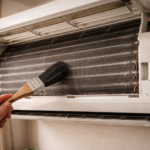
The evaporator coil is located inside your home, usually connected to your furnace or air handler. This is where warm indoor air passes over cold refrigerant, causing heat to be absorbed and leaving the air cooler before it’s blown back into your rooms.
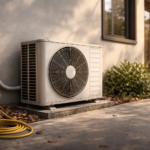
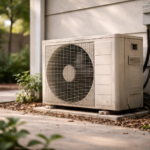
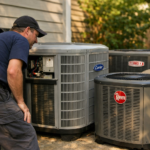
The condenser coil, on the other hand, is located outside. This is where the absorbed heat is released into the outdoor air. You’ve probably seen the large outdoor unit—this is where that heat exchange happens.
Step-by-Step: How a Home Air Conditioner Works
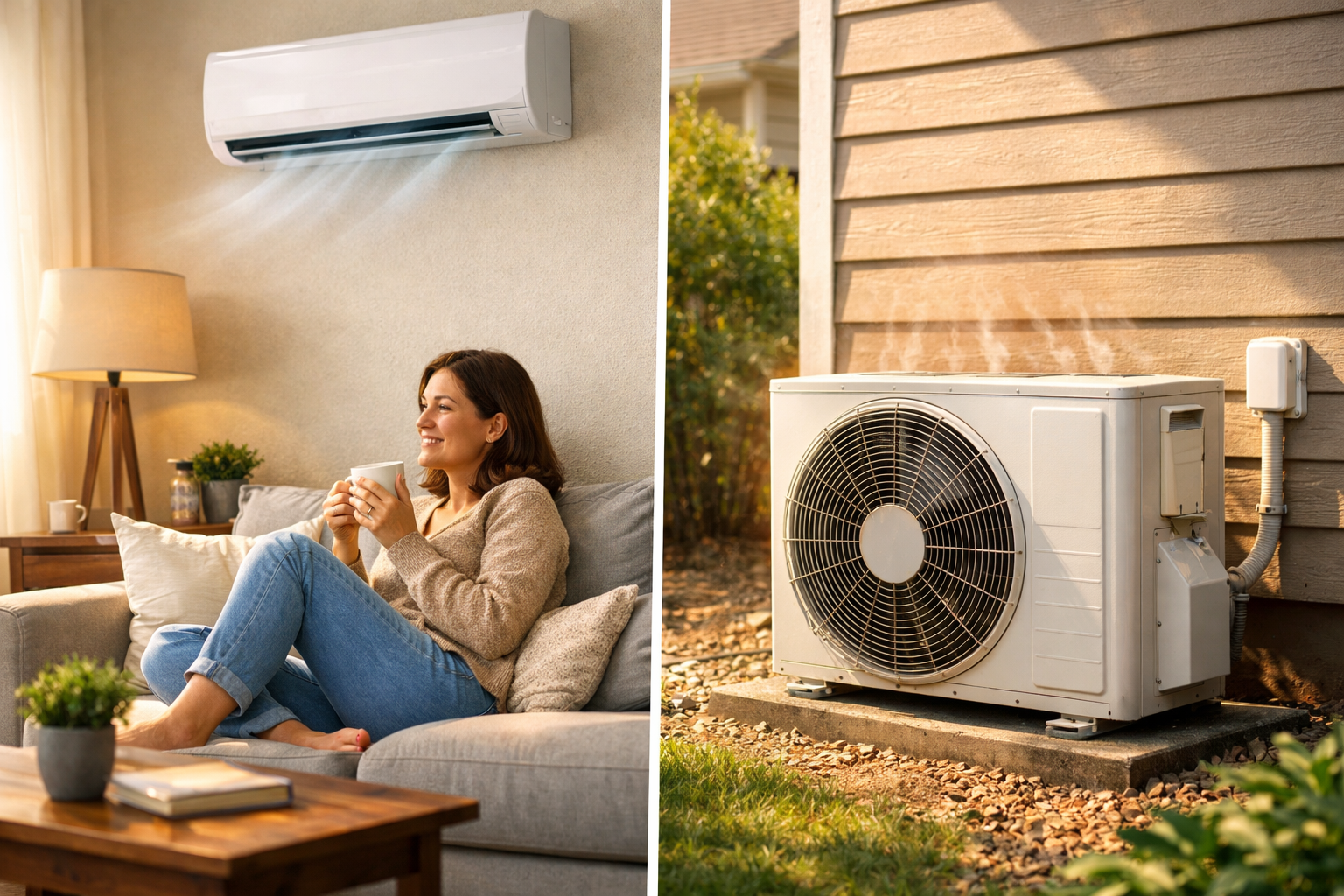
The process begins when your thermostat senses that your home temperature is higher than your set level. It sends a signal to start the cooling cycle.
The compressor kicks in first, pressurizing the refrigerant and turning it into a hot, high-pressure gas. This gas flows into the condenser coil outside, where a fan helps release the heat into the outdoor air. As the heat is removed, the refrigerant cools and turns into a high-pressure liquid.
Next, the liquid refrigerant flows through an expansion valve, which rapidly reduces its pressure. This sudden drop in pressure causes the refrigerant to become very cold—almost freezing.
This cold refrigerant then travels to the evaporator coil inside your home. As warm indoor air passes over the coil, the refrigerant absorbs heat, cooling the air. A fan blows this cooled air into your living space, while the refrigerant becomes a warm gas again and returns to the compressor.
This cycle repeats continuously until your home reaches the desired temperature.
Role of Refrigerant in the Cooling Cycle
The refrigerant is the real “worker” in the system. Without it, your air conditioner simply wouldn’t function. It’s designed to absorb and release heat efficiently while changing between liquid and gas states.
Different types of refrigerants have been used over the years, including older ones like R-22 and newer environmentally friendly options like R-410A. These newer refrigerants are designed to be more efficient and less harmful to the ozone layer.
One common mistake people make is ignoring refrigerant levels. If there’s a leak, the system loses its ability to cool effectively. I’ve seen systems running all day but barely cooling a room—simply because of low refrigerant.
Airflow and Heat Exchange Process Explained
Airflow is just as important as the mechanical parts. Without proper airflow, your system can’t transfer heat efficiently.
Inside your home, warm air is pulled in through return vents and passed over the evaporator coil. As it moves across the cold coil, heat is absorbed by the refrigerant, and cooler air is pushed back into your home through supply vents.
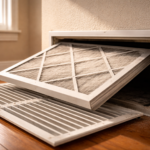
If your air filter is dirty, airflow gets restricted. This reduces efficiency and can even cause the evaporator coil to freeze. It’s one of the most common problems I’ve seen—and one of the easiest to fix.
Why Your Air Conditioner Needs Regular Maintenance
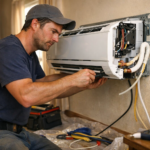
Like any system with moving parts, your air conditioner needs regular maintenance to perform at its best. Over time, dust, dirt, and wear can affect efficiency and cause breakdowns.
Cleaning or replacing air filters, checking refrigerant levels, and inspecting coils are all essential maintenance steps. Even something as simple as a clogged filter can increase energy usage and strain the system.
I always recommend a yearly inspection by a technician. It may seem unnecessary, but catching small issues early can save you from expensive repairs later.
Common Problems That Affect AC Performance
Air conditioners can run into several common issues that reduce efficiency or stop cooling altogether. Low refrigerant, dirty coils, and faulty compressors are among the most frequent problems.
Another issue is thermostat malfunction. If the thermostat isn’t reading the temperature correctly, your AC might run longer than needed or not run at all.
I’ve also seen cases where poor insulation or leaky ducts make it seem like the AC isn’t working. In reality, the cool air is just escaping before it reaches your rooms.
Final Thoughts: Getting the Best From Your Air Conditioner
Understanding how a home air conditioner works gives you a huge advantage. You’re no longer just using a system—you’re managing it intelligently.
The key takeaway is simple: airflow, refrigerant, and regular maintenance all work together to keep your home cool. If one part fails, the entire system suffers.
If you want better performance, start with small habits—change your filters regularly, schedule maintenance, and keep vents clear. These small actions can significantly improve efficiency and comfort.