Quick Answer
Your HVAC keeps freezing because of restricted airflow, low refrigerant levels, or dirty components like coils and filters.
These issues cause the evaporator coil to drop below freezing, turning moisture into ice.
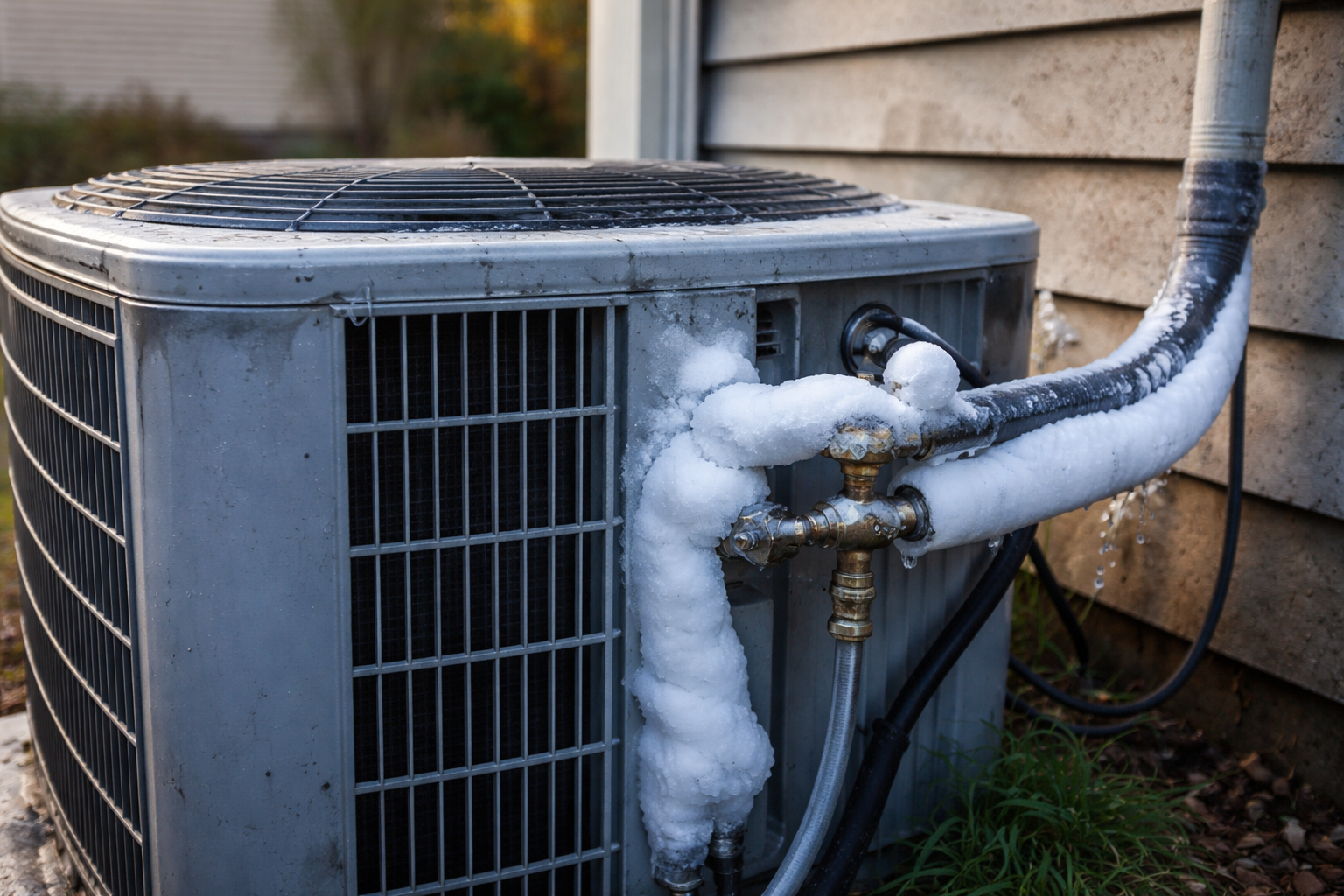
If your HVAC system keeps freezing, you’re not alone—it’s one of the most common (and frustrating) AC problems. You might notice weak airflow, warm air, or even ice buildup on the unit.
The tricky part? The root cause isn’t always obvious. It could be something simple like a clogged filter—or something more serious like a refrigerant leak.
In this guide, I’ll break down the real reasons HVAC systems freeze, how to fix them, and what most homeowners overlook.
Restricted Airflow (The #1 Cause)
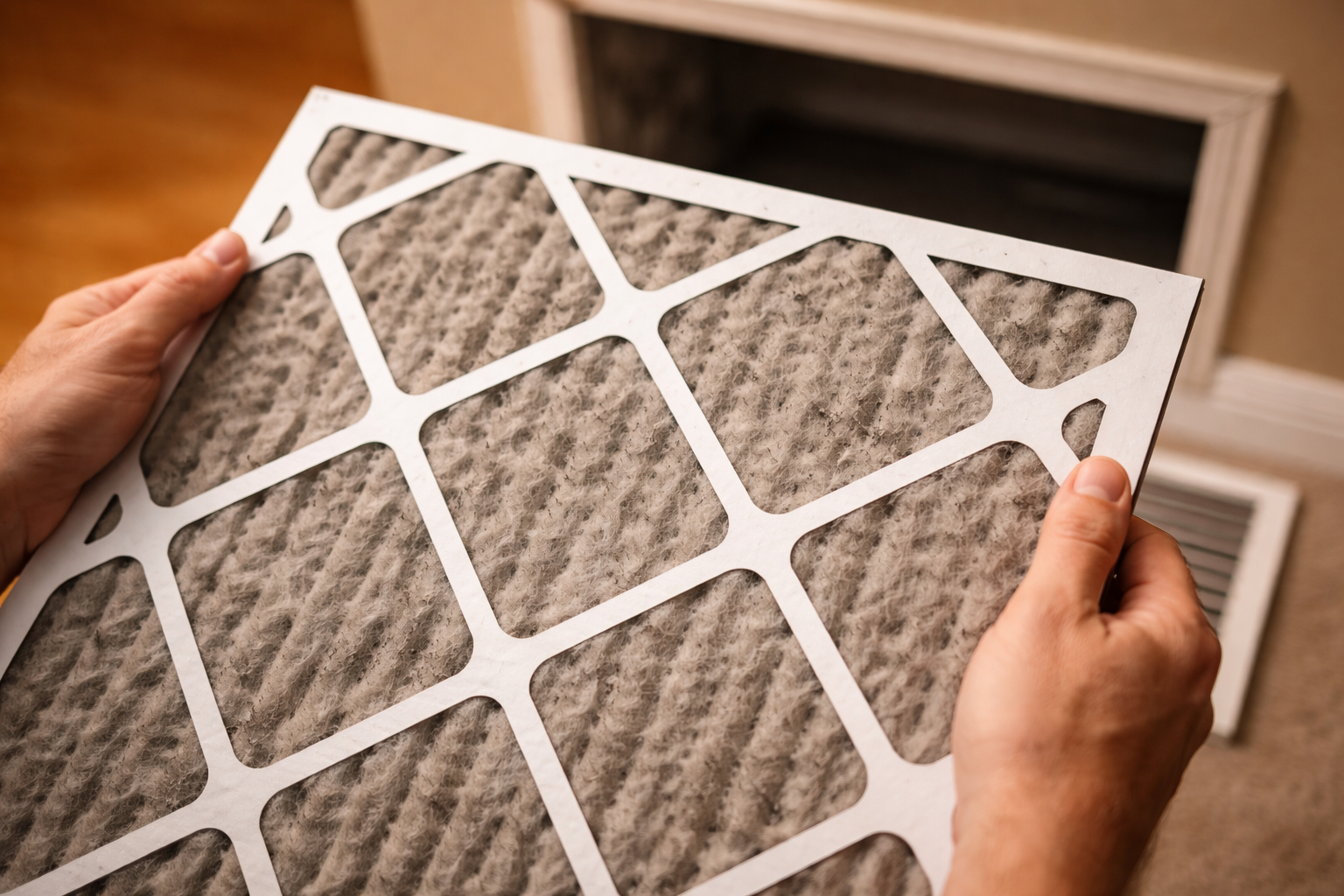
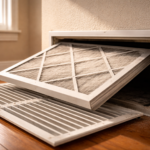
When airflow is blocked, warm air can’t circulate properly over the evaporator coil. That coil gets too cold and starts freezing moisture from the air.
Common airflow issues:
- Dirty air filters
- Blocked vents
- Closed registers
- Faulty blower fan
Real-world example:
A homeowner running their AC daily with a clogged filter saw ice buildup within 48 hours. After replacing a $5 filter, the problem disappeared completely.
Practical tip:
Check your air filter every 30–60 days, especially during summer. If it looks even slightly gray or dusty—replace it.
Insight:
Most people assume “more cooling = better,” but poor airflow actually does the opposite—it freezes your system and reduces efficiency.
Low Refrigerant Levels
Low refrigerant reduces pressure inside the system, causing the evaporator coil to get colder than normal—often below freezing.
This usually happens due to leaks, not “usage.”
Signs of low refrigerant:
- Hissing sounds
- Longer cooling times
- Ice on refrigerant lines
Real-world example:
In one case, a small refrigerant leak dropped cooling efficiency by 30% before freezing started. The user ignored it until the system shut down completely.
Practical tip:
If you suspect low refrigerant, don’t just “top it off.” Always fix the leak first—otherwise, the problem will return.
What most people don’t know:
Running your HVAC with low refrigerant can damage the compressor—which is one of the most expensive parts to replace.
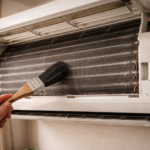
Dirty Evaporator Coils
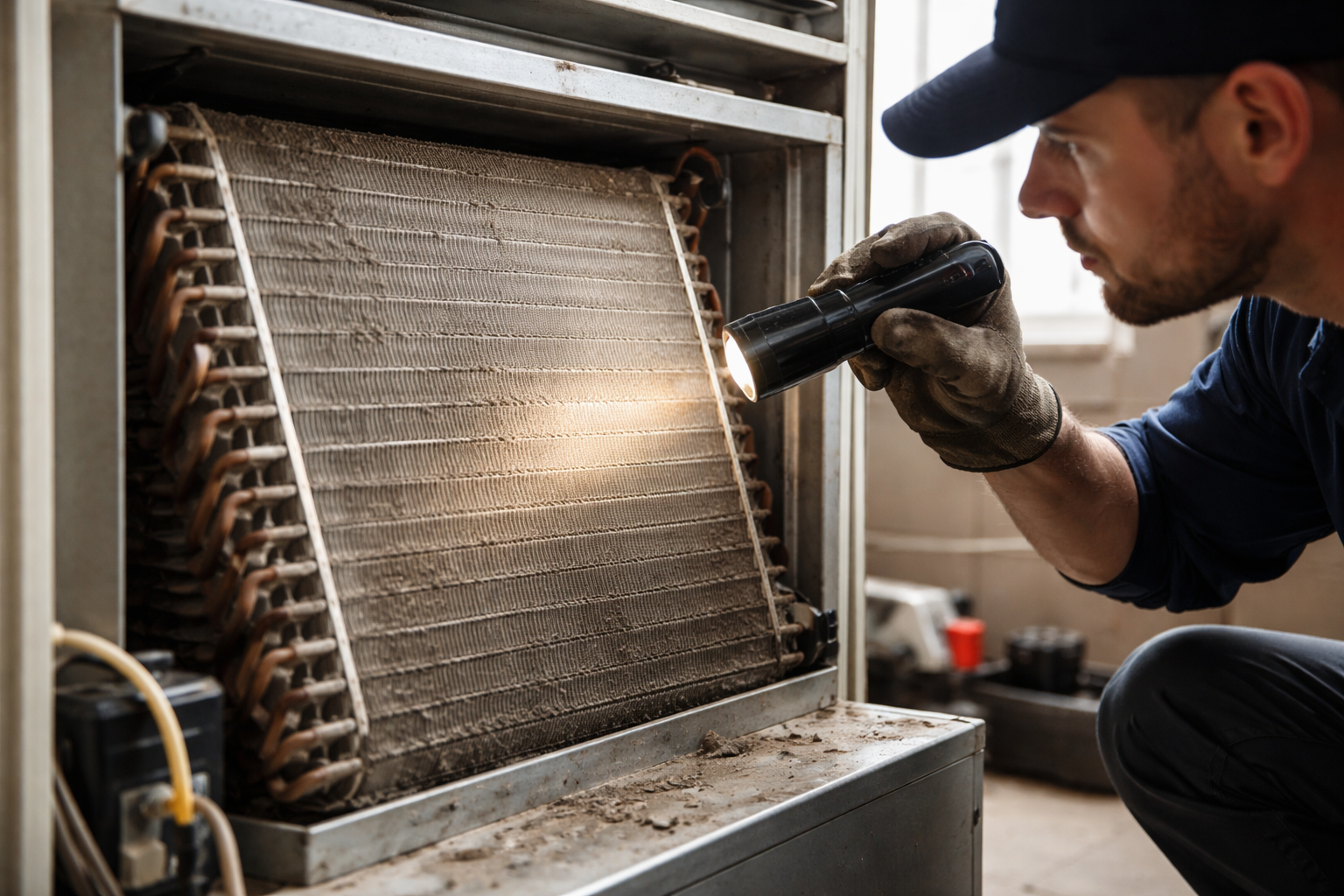
Over time, dust and debris build up on the evaporator coil. This acts like insulation, preventing proper heat absorption.
As a result, the coil temperature drops too low—and freezes.
Real-world example:
A system that hadn’t been cleaned in 2 years developed a thick dust layer on the coil. Cleaning it restored airflow and eliminated freezing instantly.
Practical tip:
Schedule a professional coil cleaning at least once a year. It’s not something most homeowners can do properly on their own.
Insight:
Even if your filter is clean, fine dust can still pass through and settle on the coil over time.
Thermostat or Temperature Issues
Setting your thermostat too low (especially at night) can cause the system to overwork and freeze.
This is more common in mild weather when the system isn’t cycling properly.
Real-world example:
Someone set their AC to 16°C overnight in moderate weather. The system ran continuously, leading to ice buildup by morning.
Practical tip:
Keep your thermostat between 22–25°C for balanced cooling and efficiency.
What most people don’t realize:
Your HVAC isn’t designed to maintain extreme temperature differences—it works best within a reasonable range.
Drainage Problems (Clogged Condensate Line)
Your HVAC removes humidity from the air, which drains through a condensate line. If this line gets clogged, moisture can back up and freeze.
Signs to watch for:
- Water leaks near the unit
- Musty smell
- Ice formation near drain pan
Real-world example:
A blocked drain line caused water buildup that eventually froze inside the unit, shutting it down completely.
Practical tip:
Flush your condensate line every few months using a mix of water and vinegar.
Insight:
This is one of the most ignored maintenance tasks—but it can quietly cause major issues.
Mistakes That Make HVAC Freezing Worse
Many people unknowingly make the problem worse:
- Running the AC continuously despite ice buildup
- Ignoring early warning signs like weak airflow
- Replacing filters too late
- Trying DIY refrigerant fixes
Quick advice:
If your unit is already frozen:
- Turn it off immediately
- Let the ice fully melt
- Fix the root cause before restarting
When It’s Worth Fixing vs Not
Not every freezing issue is equal.
Worth fixing (DIY or minor service):
- Dirty filters
- Blocked vents
- Mild drainage issues
Call a professional if:
- Refrigerant is low
- Ice keeps returning
- Compressor struggles or shuts off
Real insight:
If your system freezes repeatedly within days—even after fixes—it’s usually a deeper issue like airflow design or refrigerant imbalance.
What Most People Don’t Know
Here’s something overlooked:
HVAC freezing doesn’t always happen in extreme heat.
It often occurs in:
- Mild weather
- Overnight cooling
- Low humidity conditions
Also, newer systems aren’t immune. In fact, high-efficiency units can freeze faster if airflow isn’t perfectly balanced.
Final Thoughts: How to Stop Your HVAC From Freezing
HVAC freezing usually comes down to three things: airflow, refrigerant, and maintenance. Ignore any one of these, and you’ll likely face the issue again.
Start simple—check your filter, vents, and thermostat settings. These solve a surprising number of cases. But if freezing keeps coming back, don’t delay calling a professional. Small issues can quickly turn into expensive repairs.
The key is consistency. Regular maintenance, even basic checks, can prevent 90% of freeze-ups.
If your goal is reliable cooling without surprise breakdowns, treat your HVAC like a system—not just a switch you turn on.