Quick Answer
HVAC refrigerant leak repair typically costs between $200 to $1,500, depending on the leak location, system type, and labor required. Larger leaks or major repairs can cost more.
If your AC suddenly stops cooling or feels weaker than usual, a refrigerant leak might be the reason. It’s one of the most common HVAC issues—and also one of the most misunderstood when it comes to cost.
The truth is, the repair price can vary a lot depending on where the leak is and how serious it is. In this guide, I’ll break down the real HVAC refrigerant leak repair cost, what affects pricing, and how to avoid unnecessary expenses.
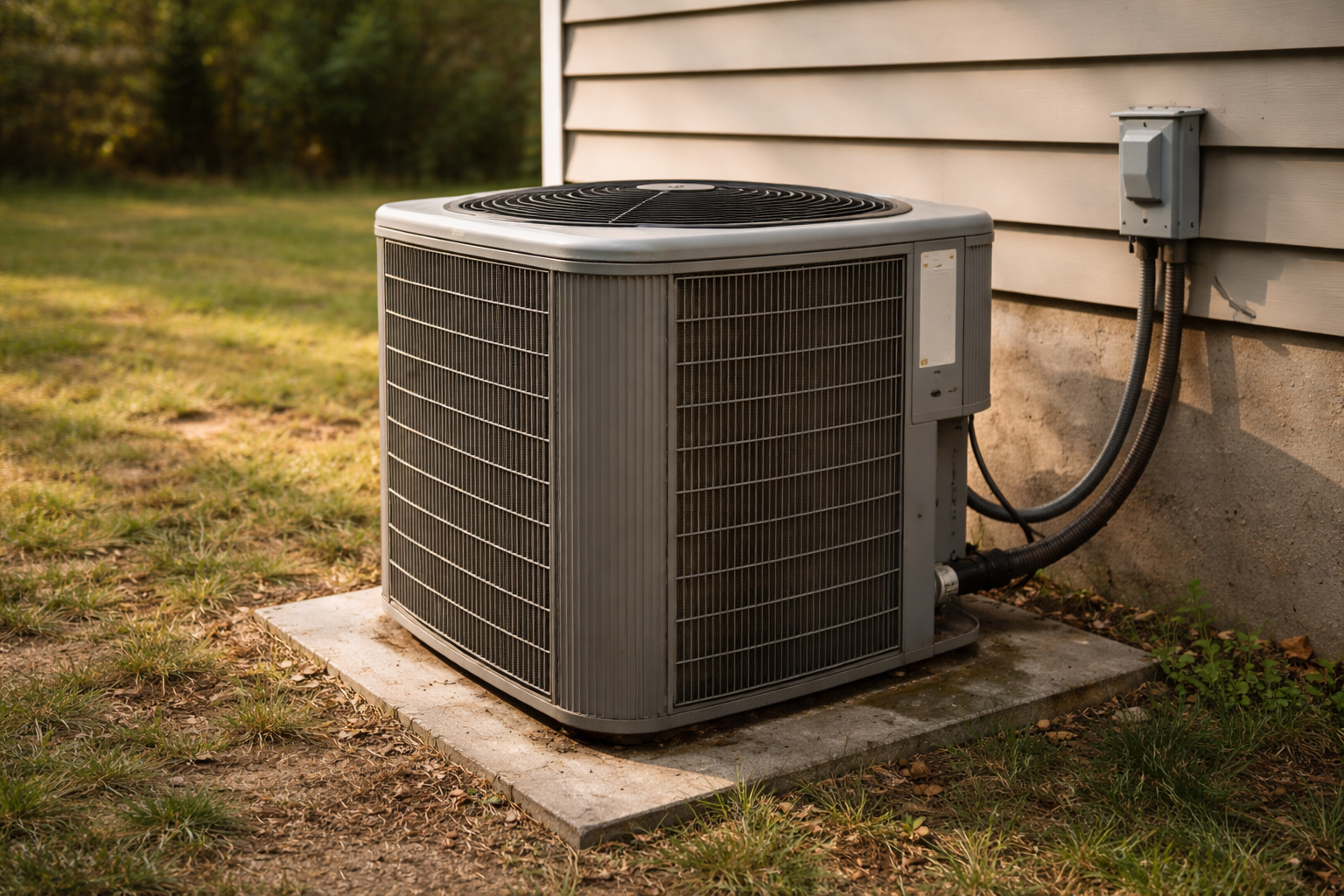
What Is an HVAC Refrigerant Leak and Why It Matters
Refrigerant is the substance that cools your air. When there’s a leak, your system loses its ability to absorb heat, which means poor cooling and higher energy use.
Even a small leak can slowly damage your system. Over time, it can cause compressor failure—the most expensive part to replace.
For example, I once saw a system running with a slow leak for months. The homeowner ignored it, and eventually the compressor burned out, turning a $300 repair into a $1,200+ replacement.
Practical tip:
If your AC isn’t cooling properly, don’t just refill refrigerant—find the leak first.
Insight:
Refrigerant doesn’t “run out” naturally. If levels are low, there is almost always a leak somewhere.
Average HVAC Refrigerant Leak Repair Cost
Let’s break down the real-world cost ranges:
- Small leak repair: $200 – $400
- Moderate leak repair: $400 – $800
- Major leak or coil repair: $800 – $1,500+
- Full refrigerant recharge: $150 – $600
Prices vary based on location, technician experience, and system type.
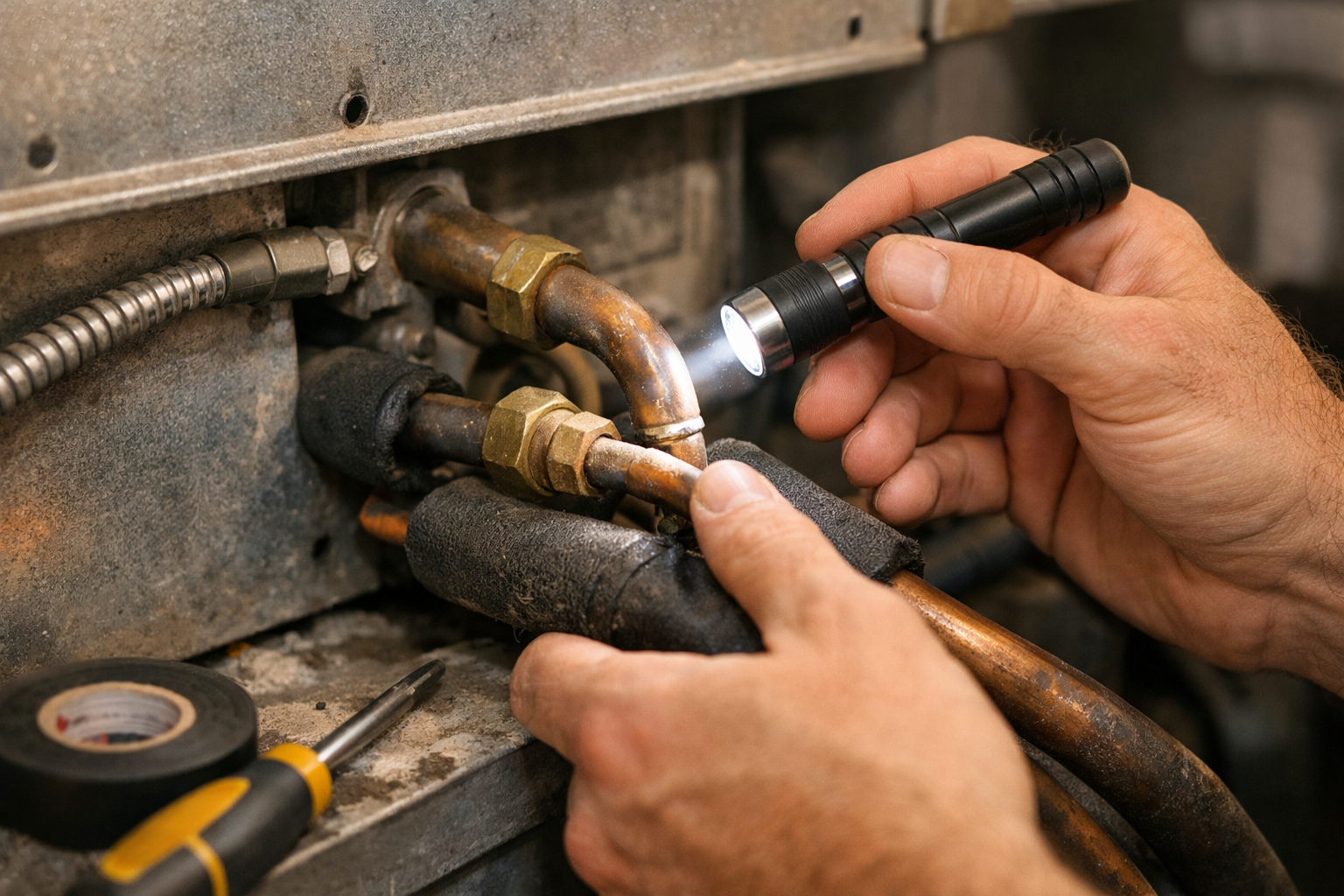
In a real case, a homeowner paid around $350 for a minor leak in a visible pipe joint. But another case with a hidden evaporator coil leak ended up costing over $1,200.
Practical tip:
Always ask for a full diagnosis before agreeing to repairs.
Subtle insight:
Cheap repair quotes sometimes skip proper leak detection and only “top off” refrigerant—which is a temporary fix.
What Affects HVAC Refrigerant Leak Repair Cost
Several factors influence how much you’ll pay:
1. Location of the Leak
- Easy access (pipes, connections) → cheaper
- Hidden areas (coils, internal parts) → expensive
2. Type of Refrigerant
- Older systems (R-22) cost more due to phase-out
- Newer systems (R-410A) are more affordable
3. Labor Complexity
- Simple repair = lower cost
- Full system disassembly = higher cost
4. System Size and Type
- Residential units are cheaper
- Commercial or large systems cost significantly more
In one case, fixing a leak in a visible line took just 1 hour and cost under $300. But accessing a coil inside the unit took multiple hours and significantly increased labor cost.
Practical tip:
Ask your technician where the leak is before approving repairs.
Insight:
Most of the cost isn’t the material—it’s the labor and access difficulty.
Common Mistakes That Increase Repair Costs
Many homeowners unknowingly increase their own repair bills.
Common mistakes:
- Ignoring early warning signs
- Refilling refrigerant without fixing leaks
- Hiring the cheapest technician without checking experience
- Delaying repairs until the system gets worse
For example, a small leak left untreated can eventually damage the compressor, turning a minor repair into a major expense.
Practical tip:
Act early when you notice reduced cooling or higher bills.
What most people don’t know:
A small leak can slowly increase your electricity bill by forcing the system to run longer.
When It’s Worth Repairing vs Replacing
Sometimes, repairing isn’t the best option.
Repair is worth it if:
- The system is relatively new
- The leak is small and accessible
- Repair cost is under 30% of replacement cost
Replacement may be better if:
- The system is old (10–15+ years)
- Repairs are frequent
- Compressor is damaged
In one situation, a homeowner spent $900 repairing an older unit, only to face another failure months later. In hindsight, replacing the system would have been more cost-effective.
Practical tip:
Compare repair cost vs replacement cost before deciding.
Insight:
Spending a bit more upfront on replacement can save money long-term.
How to Avoid Overpaying for Refrigerant Leak Repair
You don’t want to get overcharged for a basic repair.
Smart tips:
- Get at least 2–3 quotes
- Ask for a detailed breakdown of costs
- Confirm if leak detection is included
- Avoid “quick recharge only” fixes
A real example: one technician quoted $900, while another fixed the same issue for $450 after proper inspection.
Practical tip:
Always ask what exactly is being repaired—not just the total price.
Insight:
Transparent pricing usually indicates a more trustworthy technician.
Final Thoughts: Understanding HVAC Refrigerant Leak Repair Cost the Smart Way
HVAC refrigerant leak repair cost can vary widely, but understanding the factors behind it helps you make smarter decisions. Small leaks are usually affordable to fix, while hidden or complex leaks can get expensive quickly.
The key is not to wait. Catching a leak early can save you hundreds of dollars and prevent bigger system damage. Always get a proper diagnosis, compare quotes, and avoid quick fixes that only refill refrigerant without solving the root problem.
If your AC isn’t cooling properly, take action early and get it checked. A simple repair today can prevent a costly replacement tomorrow.