Ever wondered why HVAC service calls can sometimes cost a small fortune? You’re not alone! Homeowners across the U.S. often struggle to understand what goes into a HVAC service call, why prices vary so widely, and how to avoid being overcharged. From routine maintenance to emergency repairs, the cost can fluctuate dramatically depending on your system type, the technician’s expertise, and even your location.
I’ve spent years managing home comfort systems and helping people budget for their heating and cooling needs. In this article, I’ll walk you through how much a HVAC service call costs, the factors that drive these prices, and practical tips to get the best value. You’ll also learn about hidden fees, maintenance schedules, and when a service call could save you money in the long run. By the end, you’ll feel confident reading quotes, understanding pricing structures, and ensuring your HVAC system runs efficiently without unexpected surprises!
Understanding HVAC Service Calls
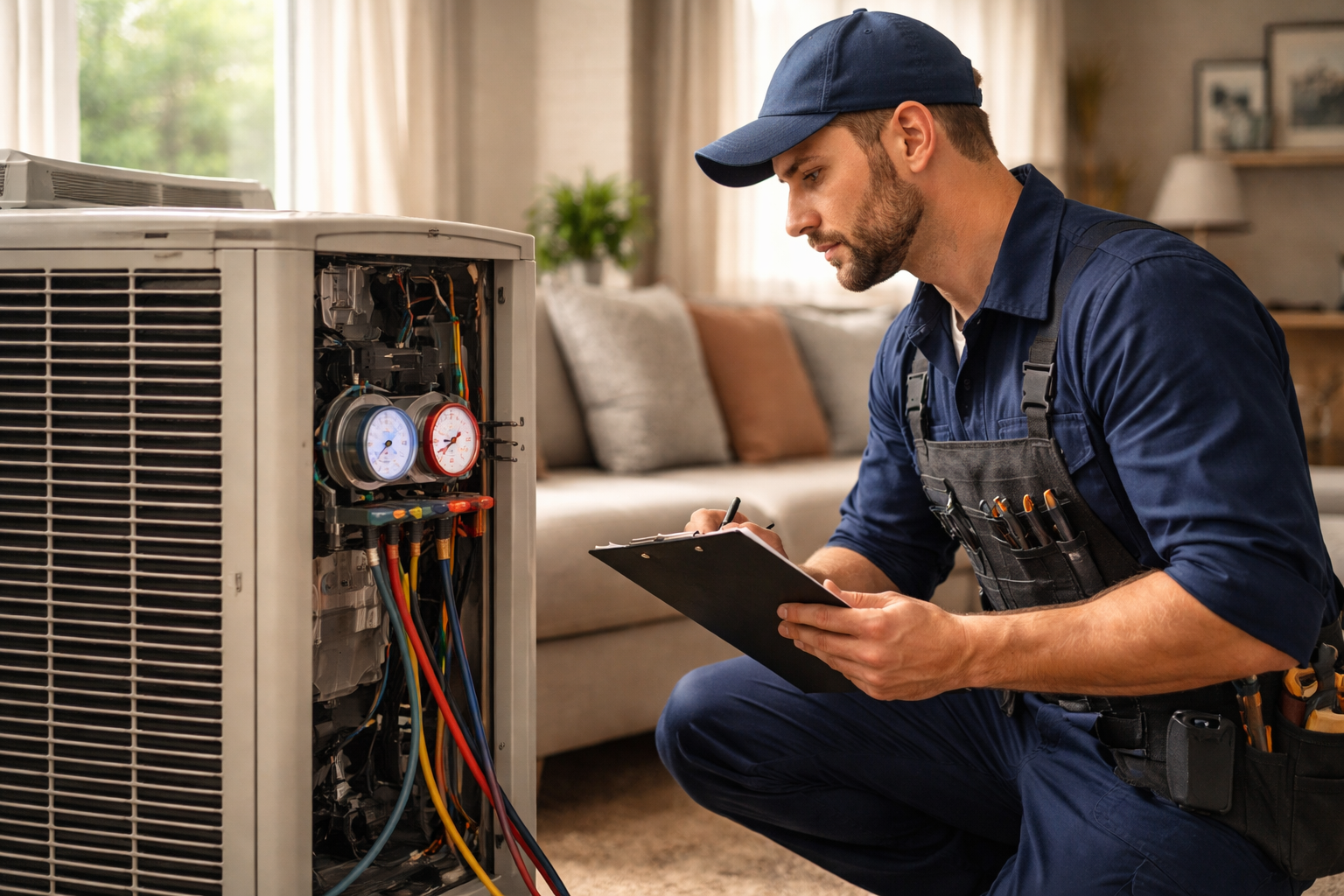
A HVAC service call is more than just a quick visit. It’s a professional inspection and diagnosis of your heating, ventilation, or air conditioning system. Typically, the technician evaluates system components, identifies issues, and provides repair recommendations. These calls can range from a simple check-up to complex troubleshooting involving multiple parts.
One of the most common mistakes homeowners make is assuming all service calls are the same. In reality, a call for routine maintenance differs significantly from an emergency repair, both in time required and cost. For example, a basic inspection might take 30–45 minutes, whereas diagnosing a failing compressor could take hours.
Another important factor is the technician’s credentials. Licensed, insured, and experienced HVAC professionals often charge more but offer higher reliability and accuracy in diagnosis. When comparing prices, remember that the cheapest service call isn’t always the best value, especially if it leads to repeated visits or incorrect repairs.
Average HVAC Service Call Costs
So, how much can you expect to pay? On average, a HVAC service call in 2025 costs between $75 and $200. Routine maintenance typically falls on the lower end, while emergency repairs or complex diagnostics push costs toward the upper range. Some companies also add a trip fee, which can range from $50 to $100 depending on your distance from their office.
Keep in mind that these are base service call costs. Additional labor or replacement parts, like thermostats, capacitors, or filters, will add to the total bill. For example, replacing a worn-out capacitor can add $100–$200, while a more significant repair like a compressor replacement can escalate costs to $1,500 or more.
Location plays a huge role as well. Service calls in urban areas or regions with high demand tend to be pricier than in rural locations. Seasonal demand also matters; technicians often charge more during peak summer or winter months when emergency calls spike.
Factors Affecting HVAC Service Call Prices
Several key factors determine the cost of a HVAC service call. First is system type. Central air systems, ductless mini-splits, furnaces, and heat pumps each have unique servicing requirements, which impacts labor time and cost. A furnace inspection in winter, for instance, may take longer due to system complexity compared to a spring AC check-up.
Problem severity is another factor. Routine maintenance generally costs less than diagnosing a system that isn’t cooling or heating properly. Emergency situations, like a total system failure during a heatwave, can significantly inflate pricing.
Technician experience and company reputation also influence costs. Certified technicians from reputable companies may charge more upfront but often save homeowners money by accurately identifying issues and preventing unnecessary repairs. Finally, additional fees such as trip charges, diagnostic fees, or overtime can add $50–$100 to your bill.
Tips to Reduce HVAC Service Call Costs
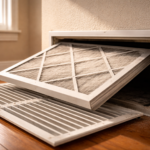
You don’t have to accept high service call prices as inevitable. One of the easiest ways to save is regular maintenance. Scheduling seasonal inspections and filter replacements keeps your system running efficiently and reduces the likelihood of costly emergency repairs.
Another tip is getting multiple quotes. Don’t settle for the first price you see. Contact at least two or three licensed HVAC companies to compare service call rates, diagnostic fees, and labor charges.
Also, consider bundling services. Some companies offer maintenance packages that include multiple visits throughout the year for a fixed price, often lower than paying for individual calls. This approach not only saves money but also ensures consistent system care.
Lastly, investing in energy-efficient upgrades like programmable thermostats or high-efficiency filters may slightly increase upfront costs but can lower service call frequency and extend your HVAC system’s lifespan.
When a Service Call Could Save You Money
It might seem counterintuitive, but paying for a service call can sometimes save you money in the long run. For instance, early detection of minor issues, like a refrigerant leak or a worn motor belt, can prevent a complete system failure that could cost thousands to repair.
I’ve personally seen homeowners delay a $100 service call for weeks, only to face a $1,200 compressor replacement later. Addressing small problems early ensures better system efficiency, lower energy bills, and longer equipment life.
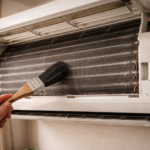
Even routine inspections provide value. They allow technicians to clean coils, check refrigerant levels, and inspect electrical components, ensuring your HVAC system operates optimally. Think of it as preventive care for your home comfort system—like a check-up at the doctor’s office.
Hidden Fees to Watch Out For
One common surprise homeowners face is hidden fees. Some companies advertise a low service call rate but add trip charges, overtime fees, or diagnostic costs. Always ask for a transparent estimate before scheduling the visit.
Another potential pitfall is parts markup. While technicians may provide the parts needed for repair, the markup can vary widely. Understanding the market rate for common components like capacitors, filters, or thermostats helps you avoid overpaying.
Lastly, after-hours or emergency calls often carry premium pricing. If possible, schedule service during regular business hours to minimize costs. By being aware of these factors, you can make informed decisions and avoid surprises on your invoice.
Final Thoughts: Getting the Best Value from HVAC Service Calls

Understanding how much a HVAC service call costs is crucial for budgeting and protecting your home comfort system. By factoring in system type, problem severity, technician expertise, and seasonal demand, you can anticipate costs more accurately.
Regular maintenance, early repairs, and transparent pricing discussions with licensed technicians can save you hundreds, if not thousands, of dollars over the system’s lifetime. Remember, the cheapest call isn’t always the best value—it’s about accuracy, reliability, and long-term system health.
Take control of your home comfort today: schedule preventive inspections, compare multiple HVAC service providers, and invest in efficiency upgrades. Your HVAC system—and your wallet—will thank you!