Quick Answer
Yes, a new HVAC system can qualify for a tax credit if it meets energy efficiency requirements set by the IRS.
Most homeowners can claim up to $600–$2,000 depending on the system type.
Upgrading your HVAC system is expensive—so naturally, most people wonder if there’s any way to offset the cost.
The good news? In many cases, there is. Tax credits can significantly reduce what you actually pay—but only if your system qualifies.
In this guide, I’ll break down exactly which HVAC systems are eligible, how much you can claim, and what mistakes to avoid so you don’t miss out.
Does a New HVAC System Qualify for a Tax Credit?
Yes—but not every system qualifies.
To be eligible, your HVAC system must meet specific energy efficiency standards under programs like the Energy Efficient Home Improvement Credit.
Typically, qualifying systems include:
- High-efficiency central air conditioners
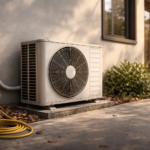
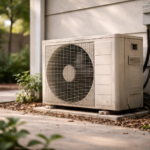
- Heat pumps (air-source or geothermal)
- Certain furnaces and boilers
Real-world example
A homeowner installs a qualifying heat pump system costing $9,000. They may receive up to $2,000 back in tax credit, reducing the effective cost.
Practical tip
Always check the manufacturer certification statement before buying—it confirms eligibility.
Insight most people don’t know
Even if two systems look similar, only specific models may qualify based on efficiency ratings—not the entire brand lineup.
How Much Tax Credit Can You Get?
The amount depends on the type of HVAC system:
- Up to $2,000 → Heat pumps and heat pump water heaters
- Up to $600 → Central air conditioners, furnaces, boilers
- Annual limit → Total credits are capped per year
Real-world example
If you install both a heat pump and insulation upgrades in the same year, you might hit the annual cap, limiting your total benefit.
Practical tip
Spread upgrades across multiple years if possible to maximize total credits.
Insight
This isn’t a rebate—it’s a tax credit, meaning it reduces what you owe in taxes, not upfront cost.
Which HVAC Systems Qualify?
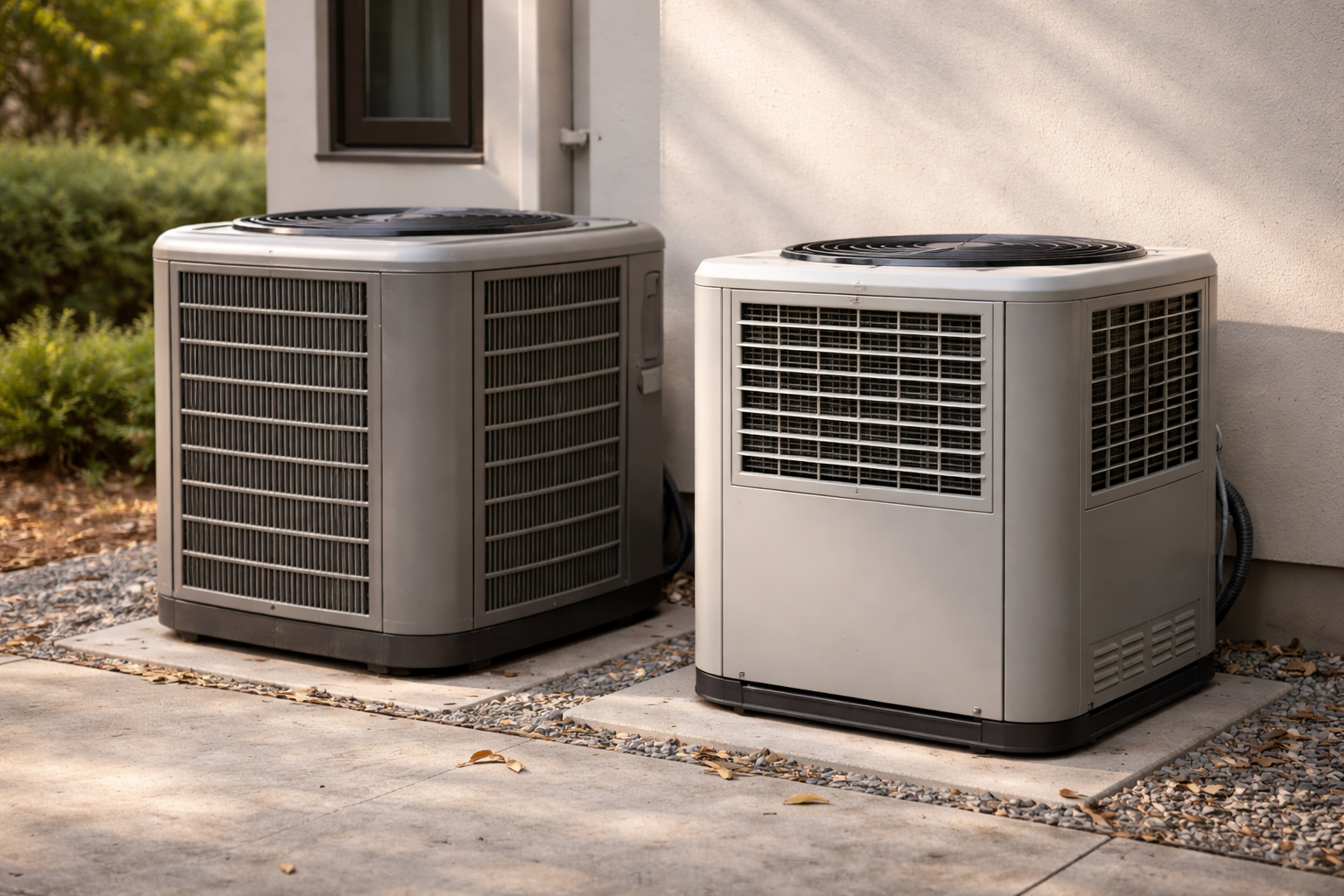
Heat Pumps (Best Option)
Heat pumps are the most rewarded under current tax laws.
- Highly energy efficient
- Work for both heating and cooling
- Eligible for higher credits
Real-world example
Switching from an old AC + furnace combo to a heat pump can cut energy bills by 20–40% in moderate climates.
Practical tip
Look for systems with high SEER2 and HSPF2 ratings to ensure eligibility.
Central Air Conditioners
Some high-efficiency AC units qualify, but not all.
- Must meet minimum SEER2 ratings
- Lower credit compared to heat pumps
Real-world example
A standard AC replacement might qualify for $600—but only if efficiency standards are met.
Practical tip
Don’t assume your new AC qualifies—verify specs before installation.
Furnaces and Boilers
These may qualify if they meet efficiency thresholds.
- Usually lower credit amounts
- More common in colder regions
Real-world example
Upgrading to a high-efficiency gas furnace could qualify for a smaller credit, helping offset installation costs.
Practical tip
Check AFUE ratings (Annual Fuel Utilization Efficiency) for eligibility.
Mistakes People Make (And Lose Money)
- Not checking eligibility before buying
Many systems don’t qualify—even if they’re new. - Forgetting documentation
No paperwork = no credit. - Assuming installer handles everything
Most contractors don’t file tax credits for you. - Missing deadlines
Credits apply to specific tax years only.
Real-world example
A homeowner installed a new AC but missed the efficiency requirement by a small margin—losing a $600 credit.
Practical tip
Double-check model numbers against official guidelines before purchase.
What Most People Don’t Know
- You must install the system in your primary residence
- Rental properties usually don’t qualify
- The credit is non-refundable (you must owe taxes to benefit)
Insight
Some homeowners expect a refund check—but if you don’t owe taxes, the benefit may be limited.
When It’s Worth It (And When It’s Not)
Worth it if:
- You’re already planning to upgrade
- Your current system is inefficient
- You want long-term energy savings
Not worth it if:
- You’re upgrading just for the credit
- Your system still works efficiently
- Budget is tight and upfront cost is high
Real-world example
Spending $10,000 just to get a $600 credit rarely makes sense unless you actually need the upgrade.
Practical tip
Think of the tax credit as a bonus, not the main reason to replace your system.
Quick Comparison: Credit by System Type
| System Type | Max Credit | Best For |
|---|---|---|
| Heat Pump | $2,000 | Energy savings + high return |
| Central AC | $600 | Standard cooling upgrades |
| Furnace/Boiler | $600 | Cold climates |
Insight
Heat pumps dominate not just in credits—but also in long-term efficiency gains.
Final Thoughts: How to Actually Benefit from HVAC Tax Credits
HVAC tax credits can make a real dent in your upgrade costs—but only if you approach it smartly.
The biggest mistake I see? People assume any new system qualifies. It doesn’t. Efficiency ratings, documentation, and timing all matter.
If you’re planning an upgrade anyway, then yes—this is a great opportunity to save a few hundred to a couple thousand dollars. But don’t let the credit drive your decision alone.
👉 Next step: Before buying, ask your contractor for the exact model number and verify it qualifies. That one step can save (or cost) you hundreds.