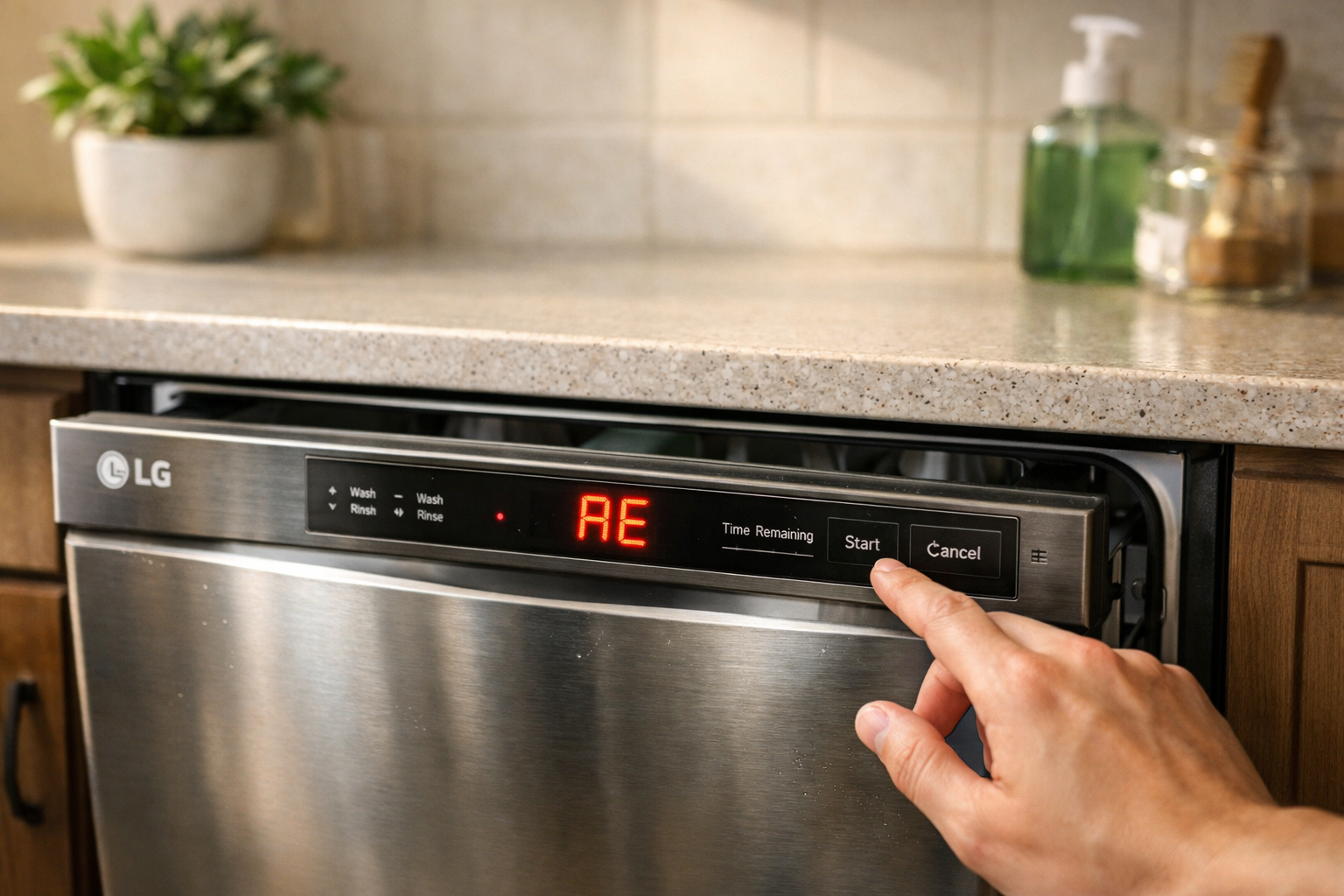
Have you ever started your LG dishwasher and seen the AE error code flash across the display? It’s a jarring experience! You load the dishes, hit start, and suddenly—your appliance stops mid-cycle, leaving you wondering what went wrong.
The AE error code on LG dishwashers stands for Auto Error, typically signaling a water supply issue or abnormal water flow. Unlike minor errors, this one can prevent your dishwasher from operating entirely, making it crucial to identify the underlying cause.
I remember the first time I encountered this code. My dishwasher refused to fill with water, and the AE warning blinked incessantly. At first, I panicked, thinking the dishwasher was broken beyond repair. But after checking the water inlet valve, inspecting hoses, and resetting the control board, the solution was surprisingly straightforward.
In this guide, I’ll explain what AE means, why it happens, and step-by-step ways to troubleshoot and fix it. Whether it’s a clogged water inlet, low water pressure, or sensor issue, you’ll gain the knowledge to restore your LG dishwasher quickly and safely.
Understanding the LG AE Error Code
The AE error is LG’s alert for automatic water detection issues. Essentially, the dishwasher detects an anomaly in water supply or flow that could prevent normal operation. This could involve water inlet valves, pressure switches, or the control system.
This error is a protective measure. If water supply is inadequate or inconsistent, continuing the wash cycle could damage internal components or leave dishes improperly cleaned. By displaying AE, the dishwasher prevents both damage and poor performance.
Key components tied to AE include the water inlet valve, which controls flow into the machine, and sensors that monitor water level and pressure. When these detect an abnormal condition, the control board triggers the AE code, halting the cycle to alert you.
Understanding the mechanics behind AE is important—it helps distinguish between minor hiccups, like low water pressure, and serious malfunctions requiring replacement parts.
Common Causes of AE Errors
Several factors can cause the AE error to appear. A frequent culprit is restricted water flow. If your household water supply is low or partially blocked, the dishwasher may fail to fill properly, triggering the error.
Clogged water inlet filters inside the dishwasher can also limit water flow. Over time, sediment or debris can accumulate and restrict proper water entry. Cleaning these filters often resolves the issue quickly.
Faulty or misaligned inlet valves are another potential cause. Valves that fail to open completely or leak internally may prevent the dishwasher from receiving adequate water.
Occasionally, the AE error arises from sensor malfunctions or wiring problems, which can send false signals to the control board, even when water flow is normal.
Step-by-Step Troubleshooting for AE Errors
When the AE code appears, begin with simple water supply checks. Ensure the water faucet connected to the dishwasher is fully open and there’s no kink in the hose. Low water pressure is surprisingly common and often overlooked.
Next, inspect the water inlet filter. Located where the supply hose meets the dishwasher, these small mesh filters catch debris. Remove and rinse them under running water to restore proper flow.
If these steps don’t resolve the issue, test the water inlet valve. This component regulates water entering the dishwasher. A multimeter can determine if the valve is functioning electrically, but visual inspection for leaks or blockage often reveals the problem.
Finally, if the dishwasher still displays AE, consider resetting the control board by turning off the appliance for 10–15 minutes. This clears temporary errors and can restore normal operation if no mechanical issues exist.
Inspecting Water Inlet and Hoses
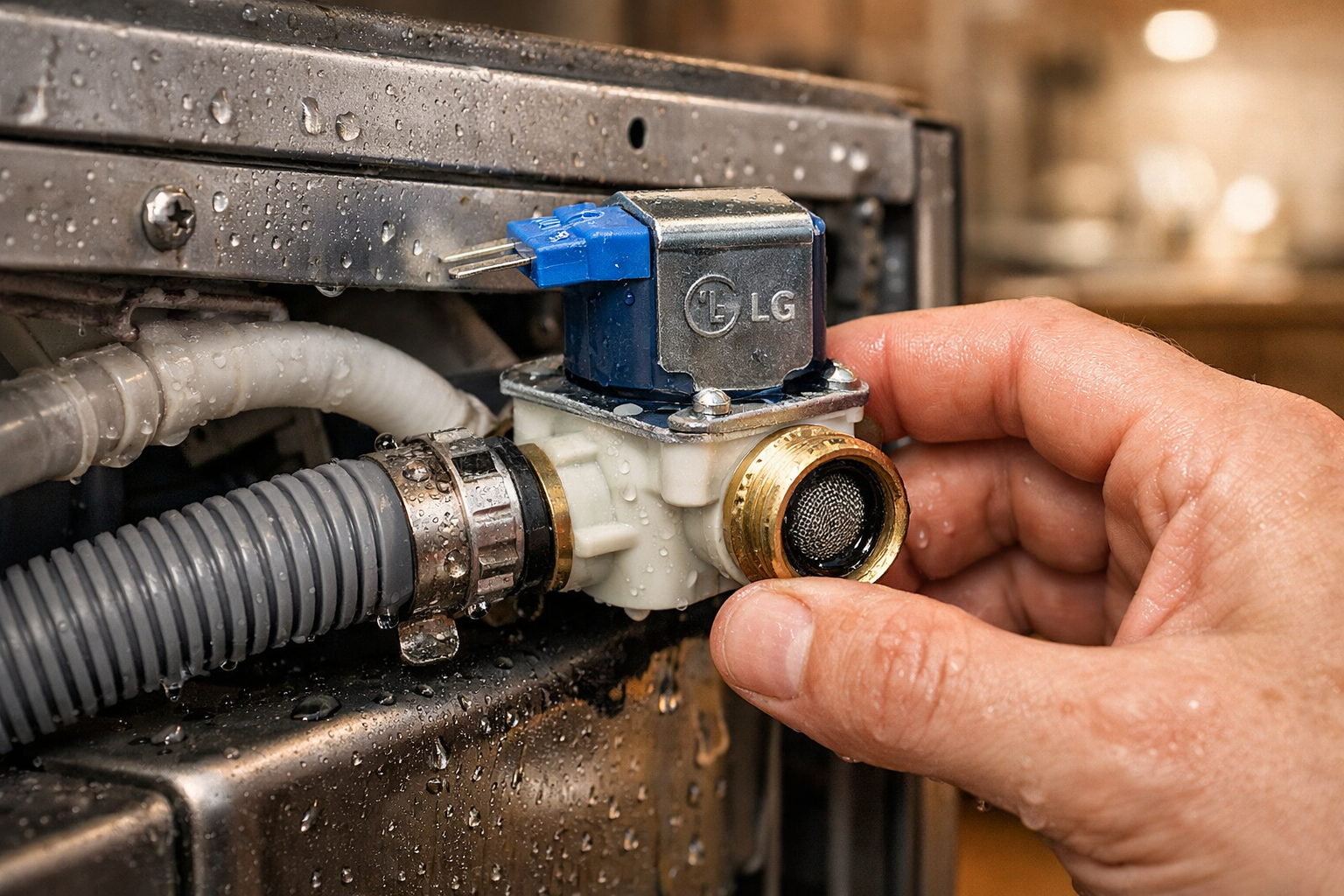
Water inlet and supply hoses are frequent sources of AE errors. Begin by disconnecting the hose from both the dishwasher and faucet to inspect for bends, kinks, or cracks. Even a small obstruction can disrupt water flow enough to trigger AE.
Check the inlet valve screen for sediment buildup. If debris is present, gently remove it and rinse the valve. Old hoses may need replacement, as internal corrosion or wear can reduce water flow.
In one experience, I discovered that a small kink in the supply hose caused inconsistent water delivery. Straightening the hose and cleaning the filter immediately resolved the AE error.
Ensure all connections are secure when reattaching hoses. Loose fittings can allow air in, which may falsely signal water flow issues. Proper inspection ensures reliable operation and prevents recurring AE errors.
Understanding Sensor and Control Board Involvement
The water level sensor and control board are critical for AE detection. Sensors monitor water pressure and flow, sending data to the control board. Any misreading can trigger the error.
If all mechanical components appear fine, the AE error may stem from sensor malfunction or faulty wiring. Moisture, corrosion, or loose connections can cause inaccurate readings.
Professional diagnosis is recommended when sensor or control board issues are suspected. These components are delicate, and incorrect handling can cause further damage. Certified LG technicians can isolate the problem and replace faulty parts safely.
Resetting Your LG Dishwasher
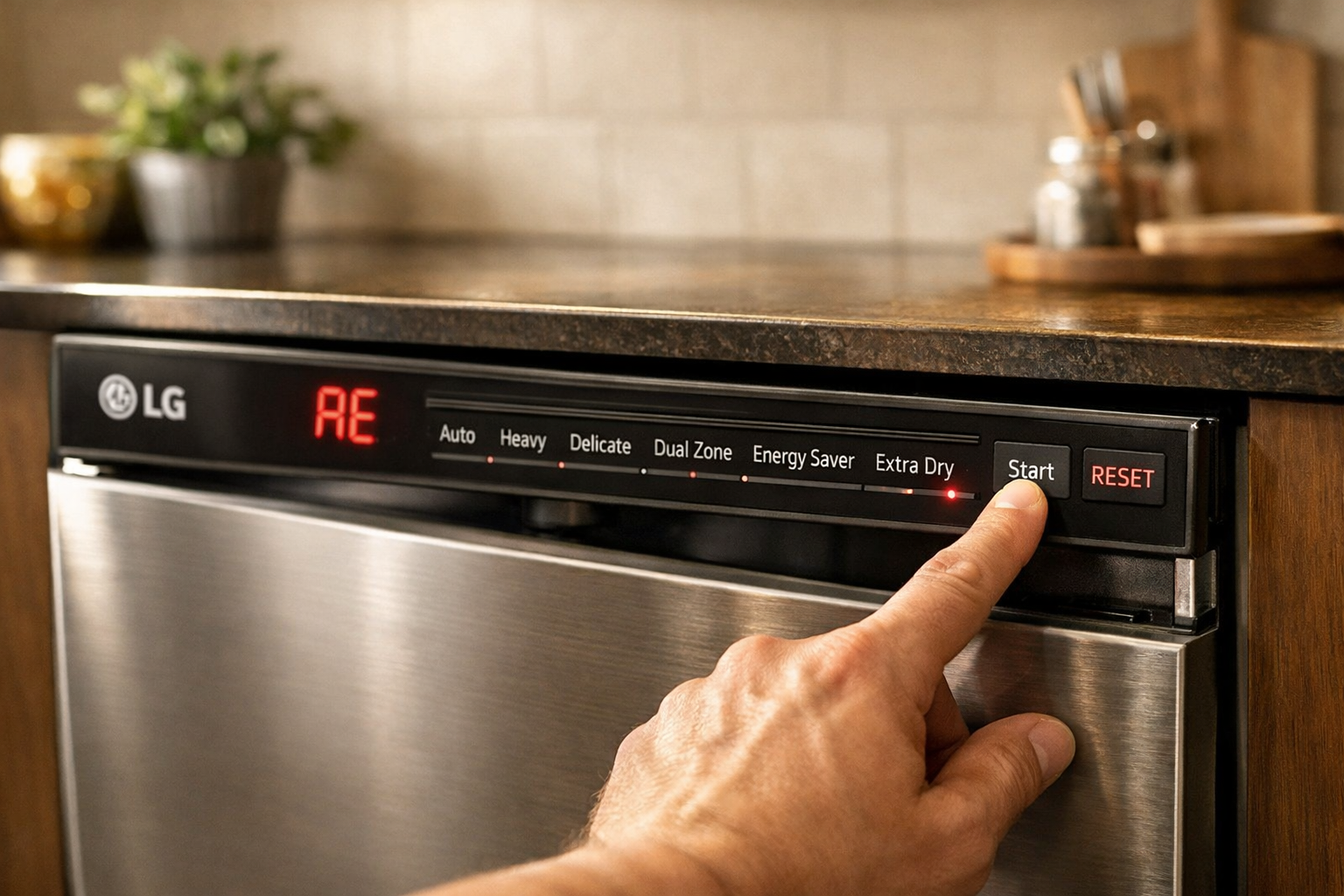
Sometimes, the AE error results from temporary anomalies rather than actual mechanical failure. In these cases, a simple reset is effective.
Turn off the dishwasher at the main power source or circuit breaker for 10–15 minutes. This allows the control board to clear stored error codes. After restoring power, open and close the door to restart the appliance.
In my experience, a reset often resolves AE errors caused by minor water supply glitches, temporary sensor misreads, or brief pressure fluctuations. If the error persists after a reset, mechanical inspection is the next step.
Preventing AE Errors in the Future
Routine maintenance is the best defense against AE errors. Regularly inspect hoses, inlet filters, and valves for debris or wear. Ensure household water pressure is stable and sufficient for dishwasher operation.
Avoid placing objects that block water flow or interfere with sensors inside the dishwasher. Even minor obstructions can affect water detection systems.
Monthly cleaning cycles, occasional inspection of inlet hoses, and keeping valves free of sediment prolong dishwasher life and reduce the likelihood of recurring AE errors.
Being proactive not only prevents AE errors but also ensures your LG dishwasher cleans efficiently and reliably.
Conclusion
The LG dishwasher AE error code is primarily a water supply or flow alert, designed to protect your appliance and dishes from damage. While it may initially appear alarming, most causes are straightforward, from low water pressure and clogged inlet filters to sensor glitches.
Troubleshooting systematically—checking hoses, filters, valves, and performing a reset—often resolves the issue. For persistent errors, professional inspection of the sensor or control board ensures safe and effective repair.
With routine maintenance and careful monitoring, you can prevent AE errors from recurring and keep your LG dishwasher performing optimally for years.