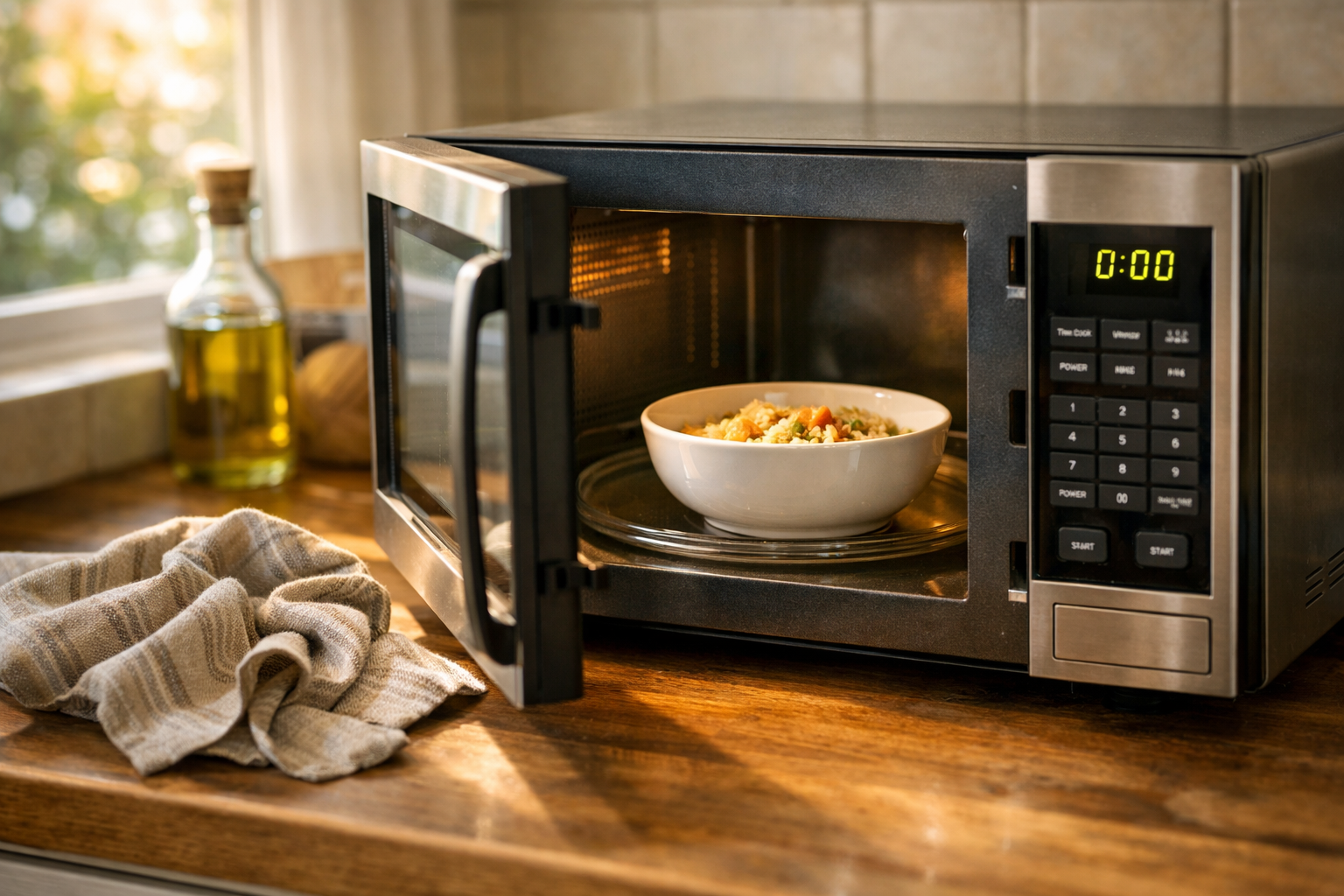
Is your microwave suddenly not heating, making loud noises, or acting up in the middle of cooking? You’re not alone! Microwaves are one of the most relied-upon appliances in homes, and when they fail, it can disrupt your entire kitchen routine. I’ve helped countless Austin homeowners troubleshoot faulty microwaves, and I know how frustrating it is to face a buzzing, silent, or overheating oven without knowing what’s wrong.
In this guide, we’ll cover everything about microwave repair in Austin. You’ll learn to identify common problems, understand whether a DIY fix is possible, and know when it’s time to call a professional. From simple door or turntable issues to complex electrical failures like magnetrons and diodes, I’ll walk you through safe, practical solutions. By the end, you’ll be able to make informed decisions, save money, and get your microwave back in action quickly.
Common Microwave Problems in Austin Homes
Microwave issues can be confusing because symptoms often overlap. One of the most common complaints I see in Austin is microwaves that run but don’t heat. This typically points to internal components like the magnetron or high-voltage diode. Homeowners often assume the appliance is beyond repair, but in many cases, these are fixable issues that a professional technician can address quickly.
Another frequent problem is loud humming or buzzing. While some noise is normal, persistent loud sounds often indicate electrical stress. Loose components, faulty capacitors, or misaligned turntables can all contribute to this, and diagnosing them requires a trained eye. I’ve personally seen microwaves that made alarming noises yet were restored to perfect working condition after careful component checks.
Door latch and turntable issues are also common but less severe. A microwave that won’t start may simply have a misaligned latch or dirty sensor. Identifying minor problems early can save time and prevent more serious damage.
Diagnosing Your Microwave
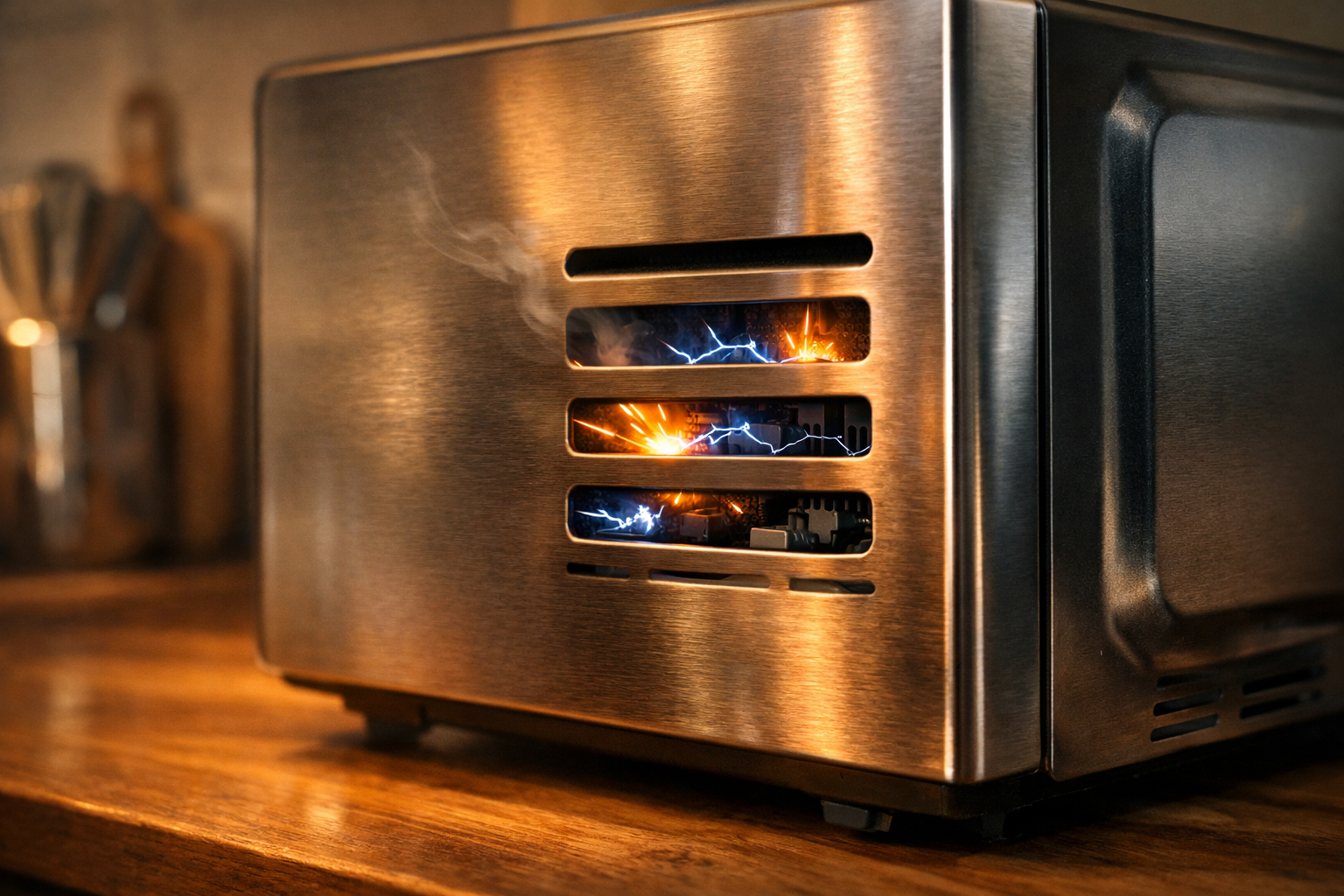
Understanding what’s going wrong is the first step toward repair. Electrical problems such as a failing magnetron, diode, or capacitor require precise testing. For safety, always unplug the microwave before attempting any inspection. I often advise Austin homeowners to start with a visual check: look for burnt wires, melted insulation, or scorched connectors. Even if you plan to call a professional, this initial observation can help them diagnose the issue faster.
Multimeters or specialized diagnostic tools are needed to test components properly. For instance, a high-voltage diode must be measured for continuity under specific conditions, and capacitors can retain a dangerous charge even when unplugged. Missteps can result in electric shock or further appliance damage, so safety is paramount.
DIY vs Professional Repair
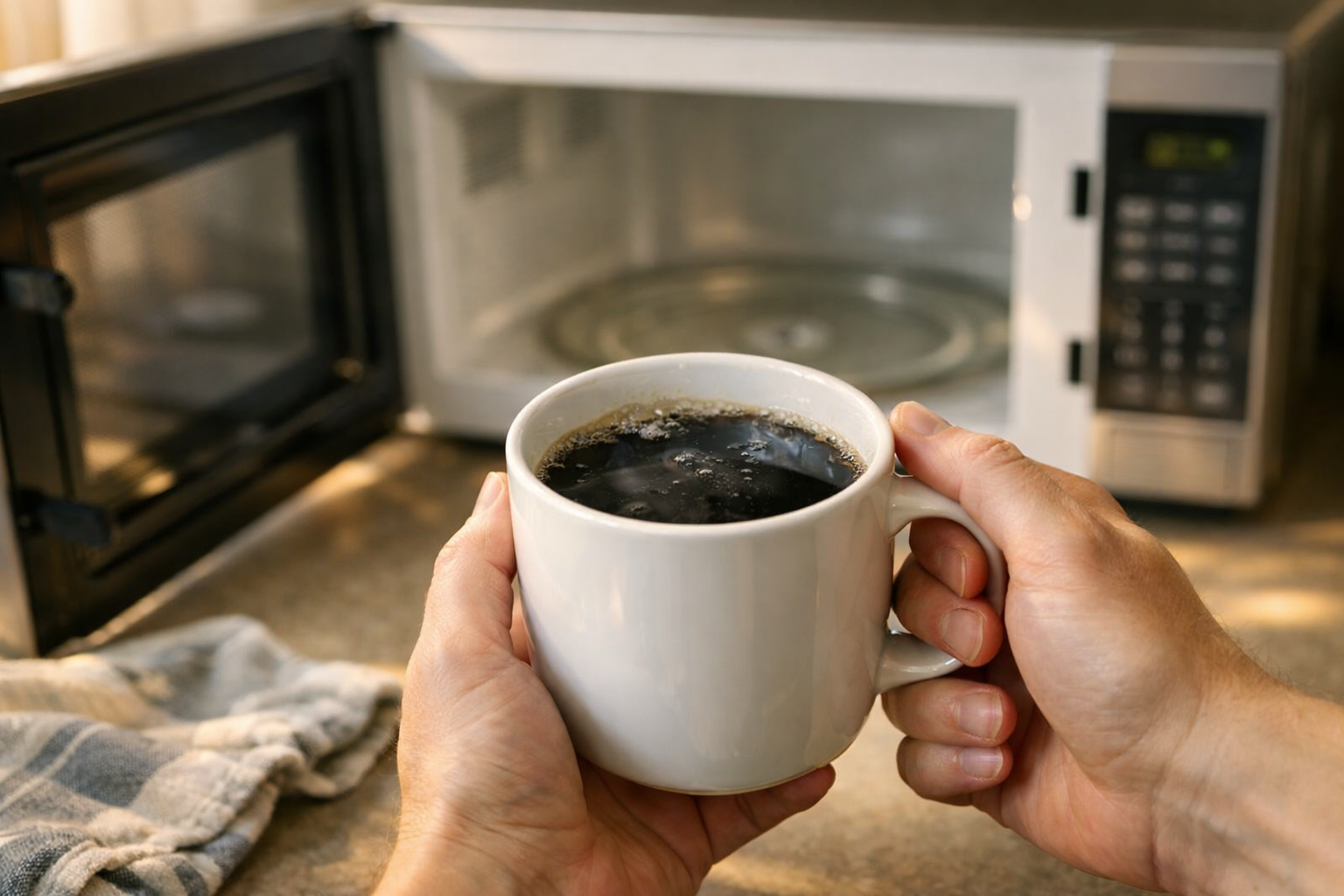
Many people ask if they can repair their microwave themselves. Minor issues like cleaning the turntable, reseating loose wires, or replacing a simple fuse can be safe for confident DIYers. However, most electrical failures in microwaves require professional repair. Attempting to replace a magnetron or capacitor without proper training is risky.
Professional technicians in Austin have access to genuine parts and the expertise to safely repair or replace internal components. Repair costs vary based on the issue, but a trained technician often completes the work in a single visit, saving homeowners both time and frustration. In some cases, especially with older microwaves, replacement might be more cost-effective than repair.
Choosing a Reliable Microwave Repair Service in Austin
Finding a trustworthy service is essential. Look for companies with licensed, insured technicians who offer clear pricing and warranties. Many Austin residents prefer locally owned repair businesses because of quick response times and personalized service. I always recommend asking about their experience with specific brands, such as GE, Samsung, or Panasonic, since component familiarity matters.
Customer reviews, both online and word-of-mouth, provide insight into reliability and professionalism. A reputable service will also provide a safety assessment, identifying potential fire hazards or electrical risks before starting the repair.
Maintenance Tips to Avoid Repairs
Preventative care is the best way to avoid unexpected breakdowns. Regular cleaning, avoiding metal inside the microwave, and ensuring vents remain unobstructed can prevent many common failures. I advise keeping the door seals and hinges clean and checking for signs of wear. Minor adjustments, like covering food to prevent splatter, also help preserve internal sensors and electrical components.
Running the microwave empty or for extended periods stresses internal parts, particularly in speedcook or convection models. By following these simple maintenance practices, Austin homeowners can extend the life of their appliances, reduce repair costs, and improve safety.
When Replacement Makes Sense
Despite maintenance, some microwaves reach the end of their repairable life. Repeated failures, high repair costs, or damage to core electrical components are signs that replacement is more practical. Safety is the priority; if your microwave exhibits exposed wiring, overheating, or burning smells, discontinue use immediately.
Choosing a new model can also bring updated features, energy efficiency, and improved safety standards. In Austin, several appliance stores and authorized service centers offer installation and recycling options for old units, making replacement convenient and eco-friendly.
Conclusion
Microwave repair in Austin is a balance of safety, cost, and efficiency. Understanding common problems, from loud humming to no heat, allows you to make informed decisions. Minor issues can sometimes be handled DIY, but high-voltage repairs require professional expertise. Regular maintenance reduces future problems and ensures safe operation.
Whether you choose repair or replacement, selecting a reliable service and addressing problems early will save time, money, and stress. By following these practical tips, Austin homeowners can keep their microwaves running smoothly, safely, and efficiently for years to come.