Most people assume air conditioners work like car tires, where refrigerant can simply be topped up whenever cooling feels weak. That assumption feels logical, especially when a portable unit starts blowing warmer air over time. The reality is far more engineered and far less user-serviceable.
Portable air conditioners are built as closed-loop systems, designed to operate without regular refrigerant refills. Once I first opened up a failing unit during a repair job, it became clear how tightly sealed these systems are. There is no simple refill port meant for everyday users, and the internal refrigerant is not meant to be consumed or replaced under normal conditions.
Understanding whether a portable air conditioner can be recharged requires looking at how refrigerant circuits are built, why leaks matter so much, and why manufacturers treat these systems differently from automotive cooling systems. Once that structure becomes clear, the answer becomes much more practical than most people expect.
How Portable Air Conditioner Refrigerant Systems Are Designed
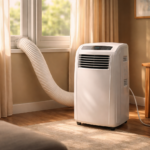
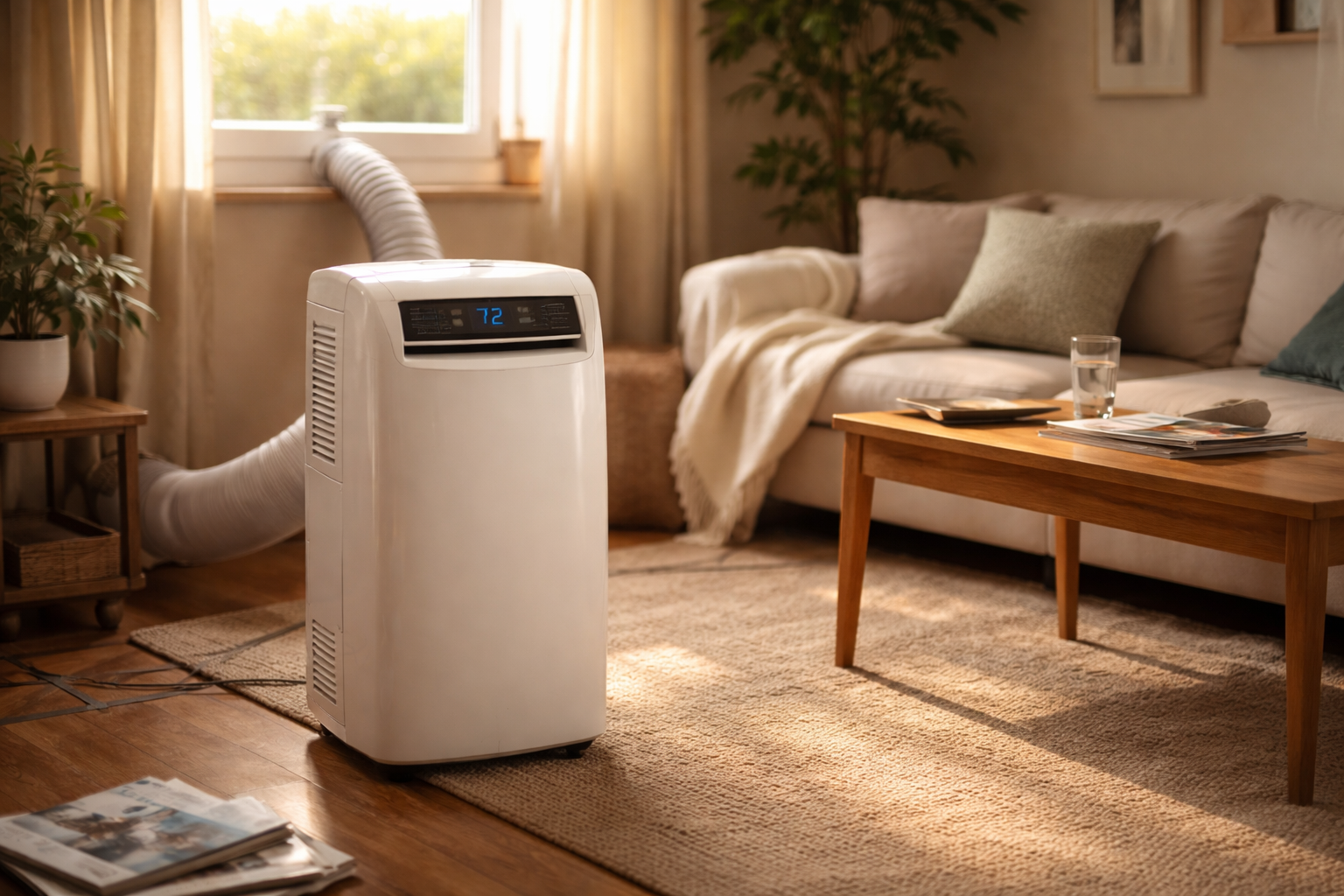
Portable air conditioners are manufactured as sealed refrigeration systems, meaning the refrigerant is permanently locked inside a closed loop. The system includes a compressor, evaporator coil, condenser coil, and expansion device working in a continuous cycle. Under normal conditions, this refrigerant never leaves the system.
When I first studied HVAC basics, the most surprising detail was how intentional this sealing is. Manufacturers design portable units assuming zero refrigerant loss over their lifetime. This is different from older or industrial systems where periodic servicing is expected. The goal is simplicity for home users, not maintenance access.
Because of this sealed design, there is no routine recharge process built into the product. If refrigerant is missing, it usually signals a deeper problem such as a leak or manufacturing defect rather than normal depletion.
Why Refrigerant Does Not Get Used Up in Normal Operation
Refrigerant inside a portable air conditioner does not get consumed like fuel. Instead, it continuously changes state between gas and liquid as it absorbs and releases heat. This cycle repeats indefinitely without reducing the total volume of refrigerant inside the system.
In real-world use, I have seen units run for years without any refrigerant change at all. The only time performance drops is when heat exchange becomes inefficient or when airflow is blocked, not because refrigerant has been naturally used up.
This is why the idea of regular recharging is a misconception. If everything is intact, the refrigerant charge remains stable for the entire lifespan of the appliance.
What Happens When Cooling Performance Drops

When a portable air conditioner stops cooling effectively, most users immediately assume it needs a refrigerant recharge. In reality, reduced cooling is usually caused by airflow restrictions, dirty filters, or compressor inefficiency.
A common scenario I have encountered involves dust buildup on evaporator coils, which reduces heat transfer dramatically. Another frequent issue is poor ventilation setup, where hot air exhaust is not properly removed from the room.
Only in rare cases does low refrigerant cause performance loss, and when it does, it typically means there is a leak somewhere in the sealed system. That situation is not part of normal maintenance and requires professional repair.
Can a Portable Air Conditioner Be Recharged Safely
Technically, a portable air conditioner can be recharged, but it is not designed for routine user servicing. Refrigerant handling requires specialized tools, pressure gauges, and certified HVAC knowledge. In most regions, environmental regulations also restrict who can legally handle refrigerants.
When recharge becomes necessary, it is almost always part of a leak repair process. Simply adding refrigerant without fixing the leak leads to repeated failure and potential environmental harm. I have seen cases where multiple “top-ups” were attempted, only for the system to fail again within weeks.
In practical terms, recharge is not a maintenance task for portable units. It is a repair procedure performed only when the sealed system has been compromised.
When Replacement Is Better Than Recharge
There is a tipping point where repairing or recharging a portable air conditioner no longer makes financial sense. These units are generally designed to be cost-effective rather than fully serviceable over long periods.
If a refrigerant leak is confirmed, the repair process often costs nearly as much as a new unit. This is especially true for compact models where internal components are tightly integrated and difficult to access.
From experience, replacement usually provides better long-term value unless the unit is high-end or still under warranty. Newer models also tend to be more energy efficient, which adds another layer of practical benefit.
How to Extend the Life of a Portable Air Conditioner
Extending the lifespan of a portable air conditioner is less about refrigerant and more about routine care. Keeping filters clean allows proper airflow, which directly impacts cooling efficiency and reduces strain on the compressor.
Proper installation also plays a major role. Ensuring that exhaust hoses are sealed and not leaking hot air back into the room prevents unnecessary workload on the system. Small setup issues often mimic serious performance problems.
Regular cleaning of vents and maintaining clear space around the unit helps the system operate within its intended design limits. In most cases, good maintenance eliminates the conditions that people mistakenly interpret as refrigerant loss.
Final Thoughts
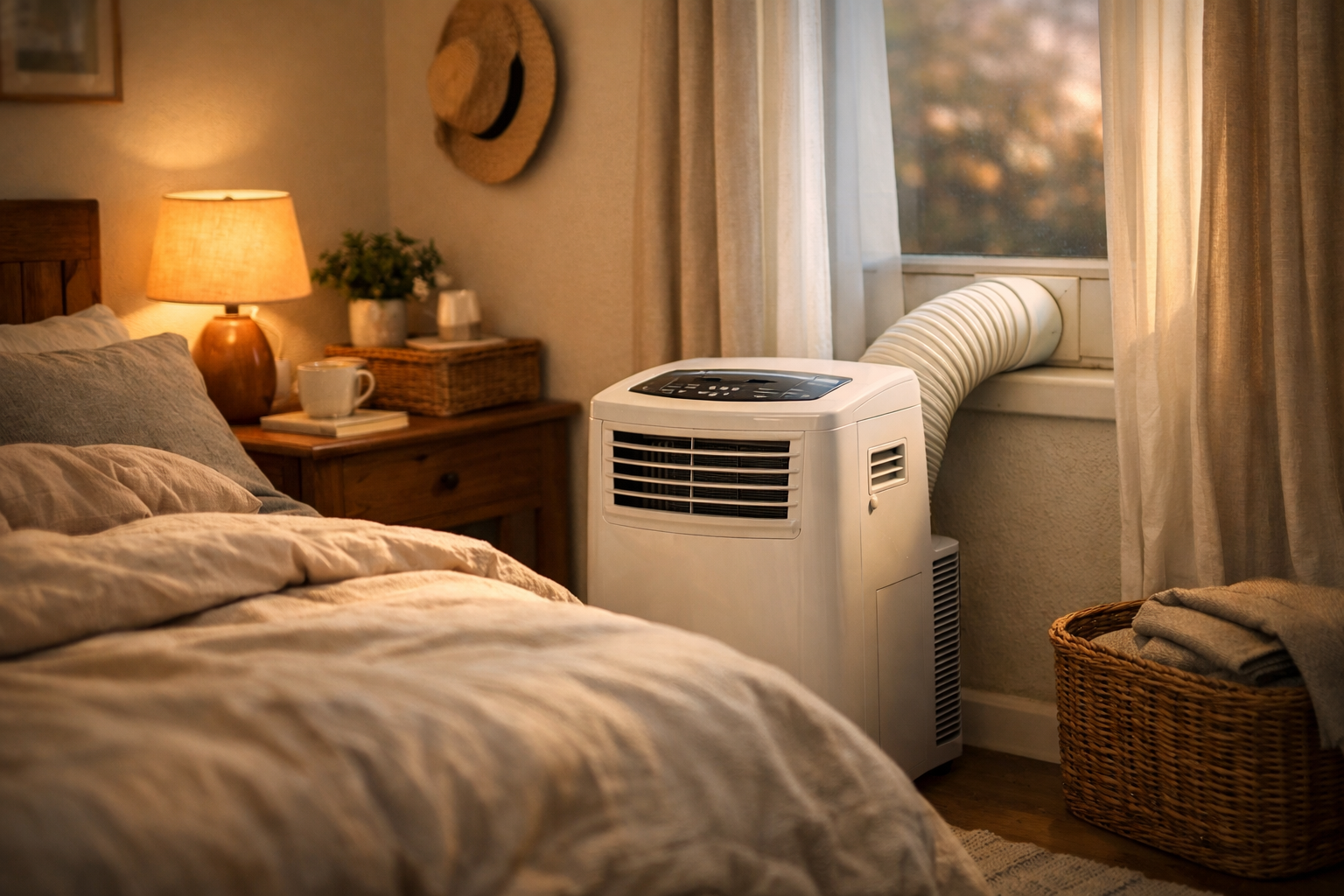
A portable air conditioner is built as a sealed cooling system, meaning refrigerant is not meant to be refilled under normal circumstances. When cooling performance drops, the cause is usually airflow, maintenance, or installation issues rather than low refrigerant levels.
The idea of routine recharging does not apply to these devices in the same way it does to automotive systems. If refrigerant is actually low, it signals a leak that requires professional repair or full replacement.
For most users, focusing on cleaning, proper ventilation, and correct setup will deliver far better results than thinking about recharge options. A well-maintained unit can last years without ever needing refrigerant intervention.