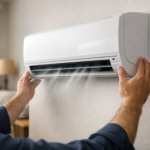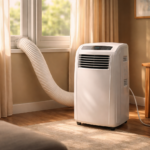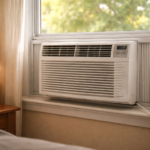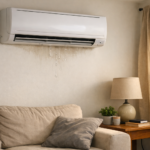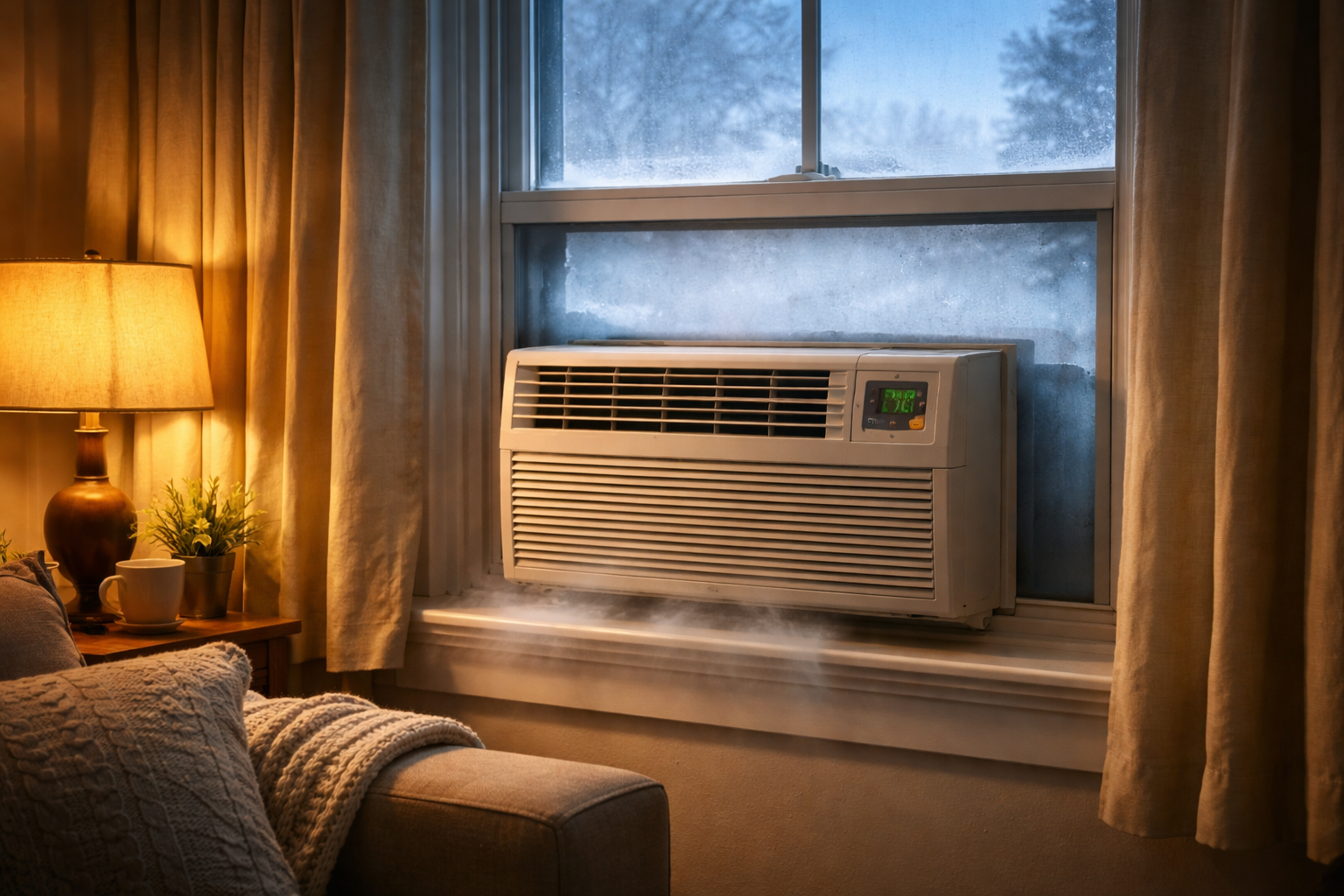
A window air conditioner sitting through an entire winter may look harmless, but the reality is more complicated than most people expect. I’ve seen units that survived years untouched and others that failed after just one harsh season, simply because cold air, moisture, and ice slowly worked their way inside the system.
The truth is, a window AC is not designed to live through freezing temperatures without protection or preparation. Metal contracts, seals weaken, and internal components become vulnerable when exposed to prolonged cold and moisture. What seems like a simple “leave it installed” decision can quietly turn into electrical issues, airflow damage, or even permanent compressor failure.
In this guide, I’ll break down exactly what happens when you leave a window air conditioner in all winter, when it might be safe, and how to properly protect it if removal isn’t an option. You’ll also learn the hidden energy losses and insulation problems most homeowners never notice until their electricity bill or spring repair costs spike.
What Happens When a Window AC Stays Installed Through Winter
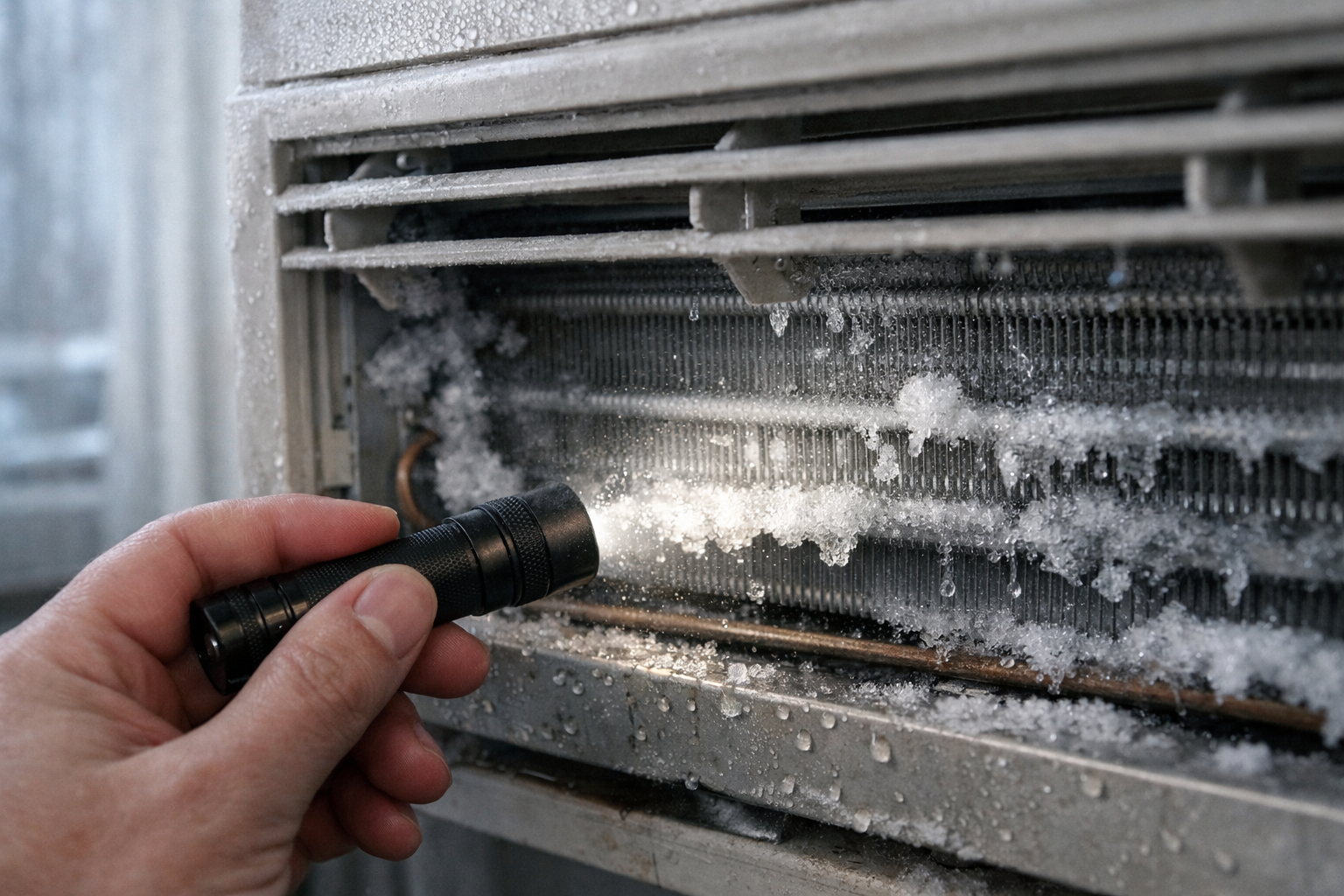
Leaving a window air conditioner installed during winter creates a slow chain reaction inside the unit and around the window frame. Cold air continuously seeps through small gaps, even when the system is turned off. Over time, this exposure causes internal metal parts to contract and expand unevenly, which weakens seals and mounting structures.
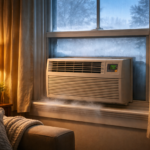
Moisture is another major issue. When warm indoor air meets the cold surface of the unit, condensation forms inside the casing. As temperatures drop further, that moisture can freeze, putting pressure on delicate internal components. This freeze-thaw cycle gradually damages insulation, wiring, and drainage channels.
In many real-world cases, homeowners don’t notice any immediate problem. The AC looks fine from the outside. But once spring arrives, the unit often struggles to start properly, or it blows weak, inconsistent air because internal efficiency has already been compromised during winter exposure.
Risks of Leaving a Window Air Conditioner in Cold Weather
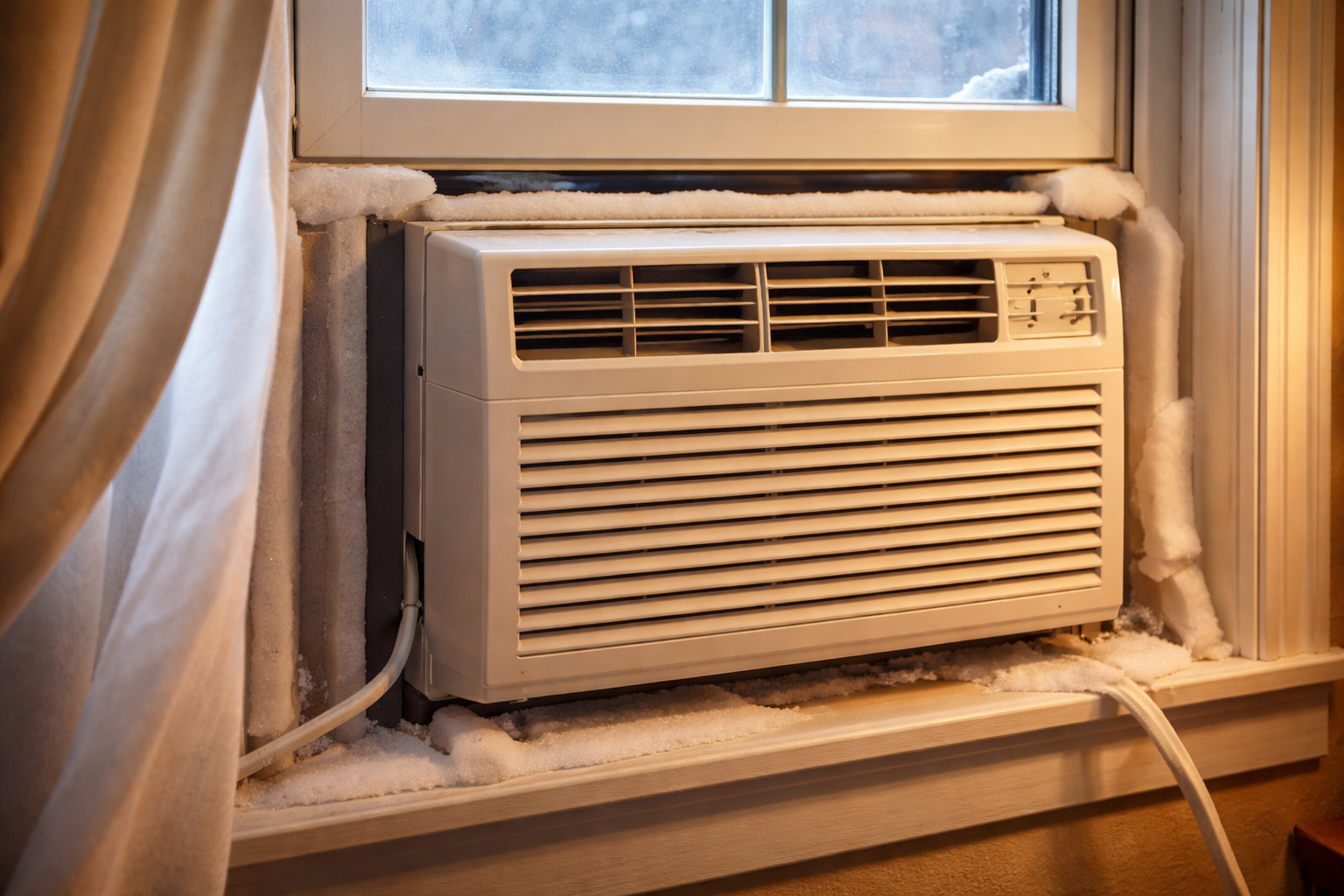
Cold weather introduces risks that go far beyond simple discomfort or drafts. One of the biggest issues is cracking in plastic housing and rubber gaskets. These materials are not designed for prolonged freezing temperatures and slowly become brittle over time.
Another serious concern is pest entry. Small gaps around a window AC become entry points for insects and rodents seeking warmth during winter. Once inside, they can damage wiring insulation or clog internal airflow paths without being noticed until the system fails.
There is also the risk of corrosion. Moisture trapped inside the unit does not always evaporate quickly in winter. Instead, it lingers and slowly corrodes internal metal parts, especially around the coil area. This corrosion reduces efficiency and shortens the lifespan of the compressor and fan motor significantly.
Manufacturer Guidelines and Temperature Limits
Most manufacturers design window air conditioners for seasonal use, not year-round installation. Operating manuals typically specify a minimum outdoor temperature threshold, often around just above freezing. Below that level, the internal components are not guaranteed to remain stable.
Even when the unit is turned off, many manufacturers still recommend removal or proper winterization. This is because temperature extremes affect not just operation but physical structure. The compressor oil can thicken, rubber seals shrink, and electronic components become more fragile in sustained cold.
In my experience reviewing different AC brands, nearly all major manufacturers include a warning about off-season storage or protective covering. Ignoring these guidelines doesn’t always cause immediate failure, but it consistently reduces the lifespan of the unit over multiple winters.
Energy Loss and Draft Issues from Unsealed Units
One of the most overlooked problems is energy loss. A window air conditioner that stays installed becomes a weak point in home insulation. Even when turned off, it can allow continuous cold air leakage into the room.
This draft effect forces your heating system to work harder. The result is higher energy bills throughout the winter, even if the AC is not actively running. Many homeowners mistake this for poor furnace performance when the real issue is air leakage around the AC unit.
Over time, the temperature imbalance also affects indoor comfort. Rooms with window AC units often feel colder near the window and warmer farther away, creating uneven heating that is hard to regulate without sealing or removing the unit properly.
Proper Winterization Steps for Window AC Units
Preparing a window air conditioner for winter starts with cutting off all power and thoroughly cleaning the filter and exterior vents. Dust buildup left inside the unit can trap moisture and accelerate corrosion during cold months.
The next step involves sealing gaps around the installation frame. Weatherproof insulation foam or removable caulking can significantly reduce cold air infiltration. This step alone can prevent a large portion of winter energy loss.
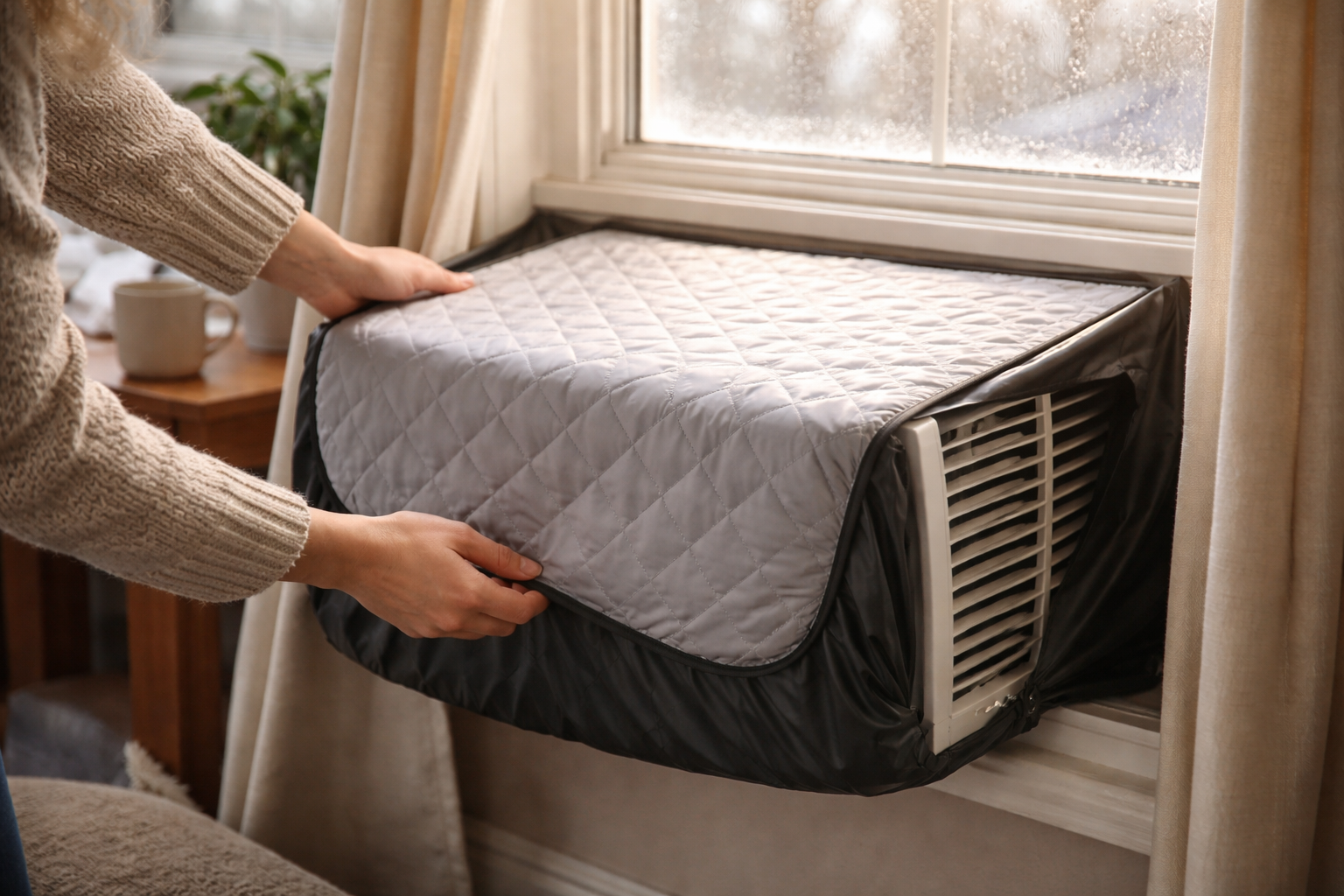
Finally, using an external waterproof cover designed for AC units helps protect against snow, rain, and debris. The cover should allow minimal airflow while blocking moisture entry. This combination of cleaning, sealing, and covering greatly reduces long-term winter damage even if the unit remains installed.
When It Is Safe to Leave It Installed
There are situations where leaving a window air conditioner installed through winter is relatively safe. If the unit is located in a mild climate where temperatures rarely drop near freezing, the risk of internal damage is significantly lower.
Another scenario is when the AC is properly winterized and fully sealed from both interior and exterior exposure. In such cases, the unit is not completely exposed to environmental stress, which reduces the chance of moisture buildup or freezing damage.
However, even in safer conditions, periodic inspection still matters. Checking seals, ensuring no drafts, and confirming that no moisture is trapped inside can prevent small issues from turning into costly repairs by the time spring arrives.
Alternatives: Removing vs Covering the Unit
Removing a window air conditioner for winter storage remains the most protective option. It eliminates exposure to freezing temperatures entirely and allows full inspection and cleaning before the next season. This is especially useful for older units or those already showing signs of wear.
Covering the unit is a practical alternative when removal is difficult. A properly fitted insulated cover combined with interior sealing provides decent protection in most climates. It is not perfect, but it significantly reduces exposure to wind, moisture, and debris.
The decision often comes down to convenience versus long-term durability. Frequent removal extends lifespan, while leaving it installed requires more careful sealing and maintenance to achieve similar protection levels.
Long-Term Maintenance and Spring Startup Tips
When spring arrives, the condition of a window air conditioner that stayed installed through winter should always be checked before powering it on. A slow inspection of filters, vents, and exterior seals can reveal hidden winter damage.
Cleaning is essential at this stage. Dust, moisture residue, or insect debris should be removed before operation begins. This helps restore airflow efficiency and prevents strain on the compressor during startup.
Running the unit in a test cycle before peak summer use is also important. If unusual noise, weak airflow, or inconsistent cooling appears, it often traces back to winter exposure issues that can still be corrected early before full breakdown occurs.
Final Thoughts / Key Takeaways
Leaving a window air conditioner in all winter is possible, but it is rarely ideal without proper preparation. Cold air exposure, moisture buildup, and insulation leaks slowly reduce efficiency and can shorten the lifespan of the unit.
The safest approach is either removal or thorough winterization using sealing and protective covering. Small preventative steps taken in winter often save significant repair costs and performance issues in summer.
If you already have a unit installed, it is not too late to protect it. Proper sealing and inspection can still reduce damage risk and improve its longevity for future seasons. A little attention now often determines how well it performs when heat returns.