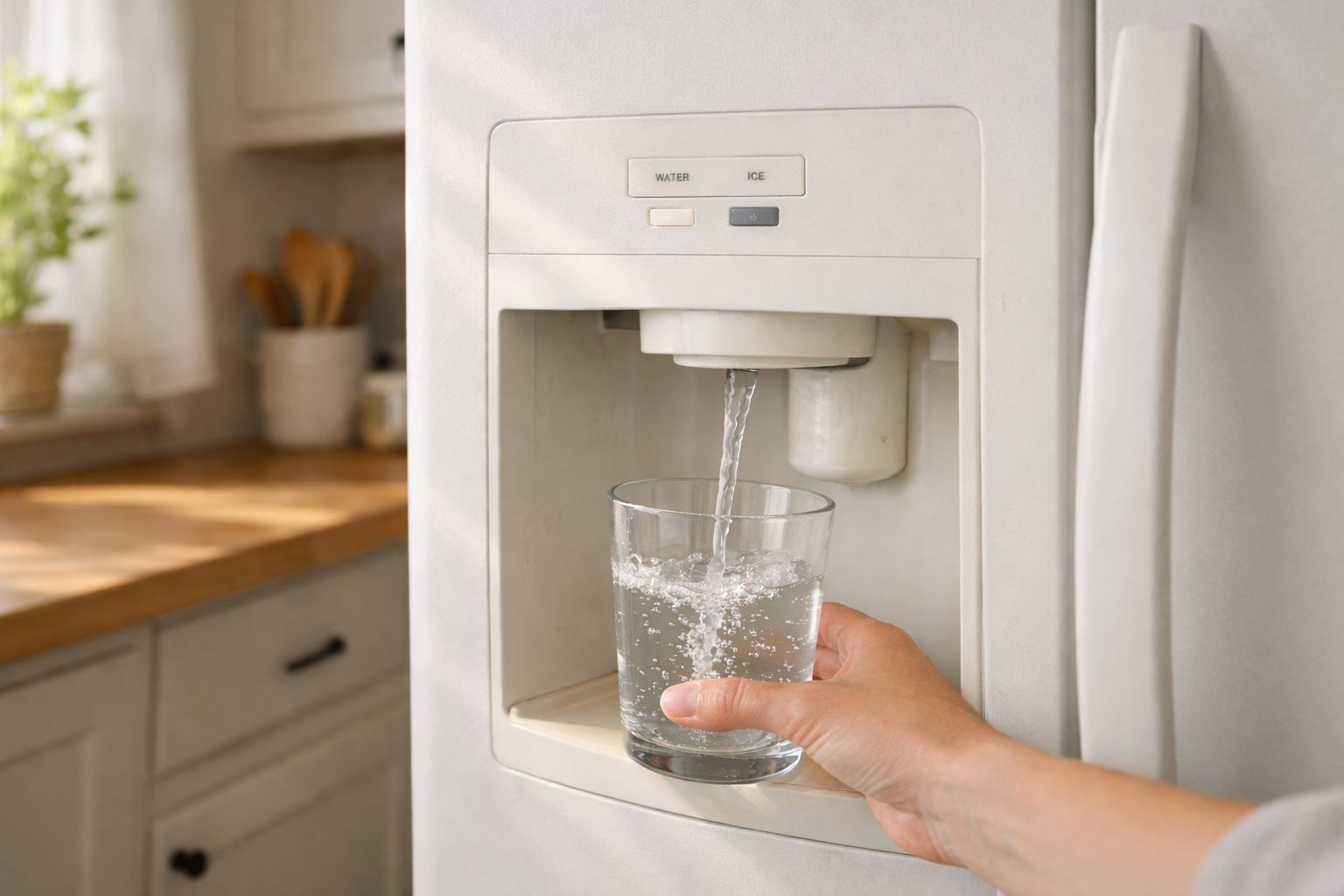
Most people drink refrigerator water every single day without ever stopping to ask a critical question: how do refrigerator water filters work, and what are they actually removing? The answer might surprise you. In many homes, refrigerator filters quietly process hundreds of gallons of water a year, yet few owners understand the science behind them.
I used to think a fridge filter was just a “nice-to-have” accessory. Then I replaced an old one and tasted the difference immediately. Cleaner. Fresher. No odd aftertaste. That experience sent me down a rabbit hole of research into filtration systems, contaminants, and water quality.
In this article, I’ll walk you through exactly how refrigerator water filters work, what happens inside them, and why they matter more than most people realize. We’ll explore activated carbon, contaminant removal, water pressure, and common misconceptions. By the end, you’ll not only understand the process but also know how to get the best performance from your filter. Let’s break it down, simply and clearly.
What a Refrigerator Water Filter Actually Does
At its core, a refrigerator water filter is designed to improve drinking water quality before it reaches your glass or ice tray. It does this by removing unwanted substances such as chlorine, sediment, odors, and certain chemicals that can affect taste and safety. While municipal water is usually treated, it often still contains trace contaminants that slip through standard treatment processes.
When water enters your refrigerator, it doesn’t go straight to the dispenser. Instead, it’s routed through a compact filtration cartridge hidden either inside the fridge or at the back. This cartridge acts as a final purification step, polishing the water just before consumption. The goal isn’t to turn unsafe water into safe water, but to enhance already treated water.
Many people assume refrigerator filters soften water or remove all impurities. That’s not true. Their job is specific and targeted. They focus on improving taste, odor, and clarity while reducing certain health-related contaminants. Understanding this realistic purpose helps set proper expectations and prevents disappointment.
The Science Inside: How Filtration Happens
Activated Carbon and Adsorption
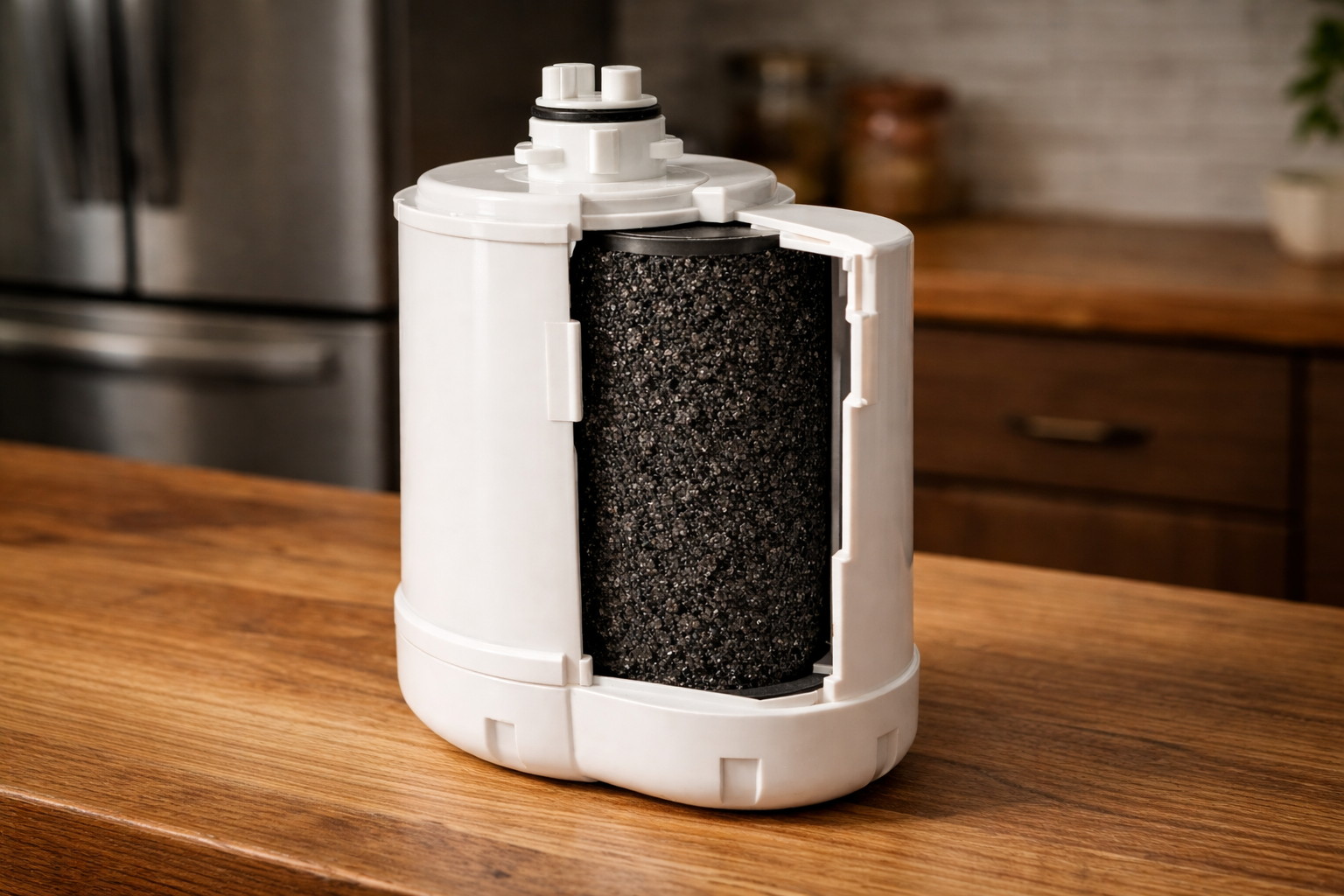
The heart of most refrigerator water filters is activated carbon. This material is incredibly porous, with millions of microscopic pores that dramatically increase its surface area. When water flows through the carbon, contaminants stick to its surface through a process called adsorption, not absorption. That distinction matters because the particles cling to the carbon rather than dissolving into it.
Chlorine is one of the main targets of activated carbon. Municipal water suppliers use chlorine to disinfect water, but it leaves behind a sharp taste and smell. Activated carbon captures chlorine molecules efficiently, which is why filtered water often tastes noticeably better.
Beyond chlorine, carbon can also trap volatile organic compounds, some pesticides, and industrial chemicals. However, its effectiveness depends on contact time. If water moves too fast or the filter is worn out, fewer contaminants are removed.
Mechanical Filtration and Sediment Control
In addition to carbon, refrigerator filters often include a mechanical filtration layer. This layer physically blocks larger particles like rust, sand, and dirt. These particles are common in older plumbing systems and can make water appear cloudy or gritty.
This mechanical barrier works much like a very fine sieve. As water passes through, solid particles get trapped while clean water continues onward. Over time, this layer fills up, which is one reason filters need regular replacement. A clogged filter doesn’t just reduce filtration quality; it can also slow water flow dramatically.
What Contaminants Refrigerator Filters Remove (and What They Don’t)
One of the biggest misconceptions I see is the belief that refrigerator water filters remove everything harmful from water. In reality, they are designed to target specific contaminants, not all of them. Most certified filters reduce chlorine, lead, mercury, and certain organic compounds that affect taste and health.
Lead reduction is particularly important in older homes with aging pipes. Even small amounts of lead can leach into water, and refrigerator filters rated for lead removal can significantly lower exposure. That alone makes them worthwhile for many households.
However, refrigerator filters are not designed to remove dissolved minerals, bacteria, or viruses. They won’t desalinate water or treat well water that hasn’t been properly tested. If your water source has serious contamination issues, a whole-house or under-sink filtration system is more appropriate. Refrigerator filters are a final refinement, not a complete purification solution.
Why Water Pressure and Flow Rate Matter
Water pressure plays a surprisingly important role in how well refrigerator water filters work. Filtration is not just about materials; it’s also about timing. Water needs enough contact time with the filter media for contaminants to be captured effectively.
If pressure is too high, water may pass through the filter too quickly, reducing adsorption efficiency. If pressure is too low, flow slows to a trickle, frustrating users and signaling a clogged filter. Manufacturers design filters to work within a specific pressure range, balancing convenience and performance.
I’ve seen people blame their refrigerator when water flow slows down, only to discover the filter was overdue for replacement. In reality, reduced flow is often a sign the filter is doing its job and has reached capacity. Replacing it restores both pressure and filtration quality almost instantly.
How Ice Makers Use Filtered Water
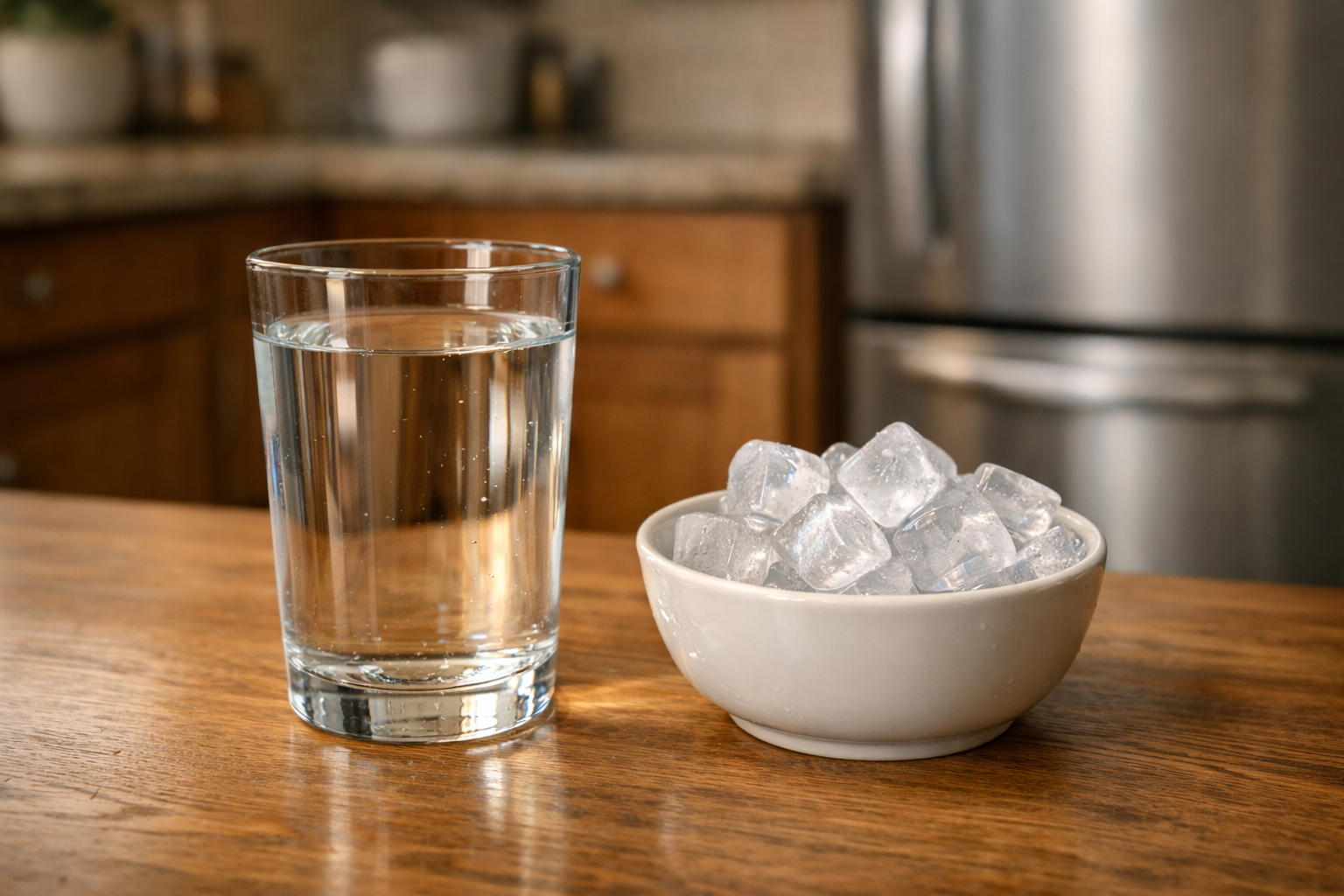
Refrigerator water filters don’t just affect drinking water. They also play a crucial role in ice quality. Ice is essentially frozen water, so any impurities present become trapped and concentrated as the water freezes.
Filtered water produces clearer ice with better taste and less odor. Unfiltered water, especially if high in chlorine or sediment, can result in cloudy ice with unpleasant flavors. If you’ve ever noticed white flakes or strange smells in ice cubes, the filter is often the culprit.
The same filtered water line supplies both the dispenser and the ice maker. That means a neglected filter affects everything. Keeping it fresh ensures not only better-tasting water but also cleaner ice and improved performance of the ice-making mechanism itself.
How Often Refrigerator Water Filters Need Replacement
Understanding how refrigerator water filters work also means knowing when they stop working effectively. Filters don’t last forever. Most are rated for about six months or a specific number of gallons, whichever comes first.
As the carbon pores fill with contaminants, adsorption efficiency drops. Water may still flow, but filtration quality declines quietly. That’s why waiting for a bad taste is not a reliable indicator. By the time water tastes off, the filter is already overdue.
Many modern refrigerators include filter change indicators, but they’re based on time, not actual water usage. If you use your dispenser heavily, you may need to replace the filter sooner. Staying proactive protects both your health and your appliance.
Conclusion
So, how do refrigerator water filters work? They use a combination of activated carbon adsorption and mechanical filtration to improve water taste, odor, and safety right before you drink it. While they don’t remove every possible contaminant, they play a powerful role in refining treated water and reducing everyday exposure to harmful substances.
From better-tasting water to clearer ice and healthier hydration, a properly functioning filter quietly improves daily life. The key is understanding its limits and maintaining it correctly. Replace it on time, choose certified replacements, and you’ll get the best results. Clean water isn’t something you should take for granted, especially when the solution is already built into your refrigerator.