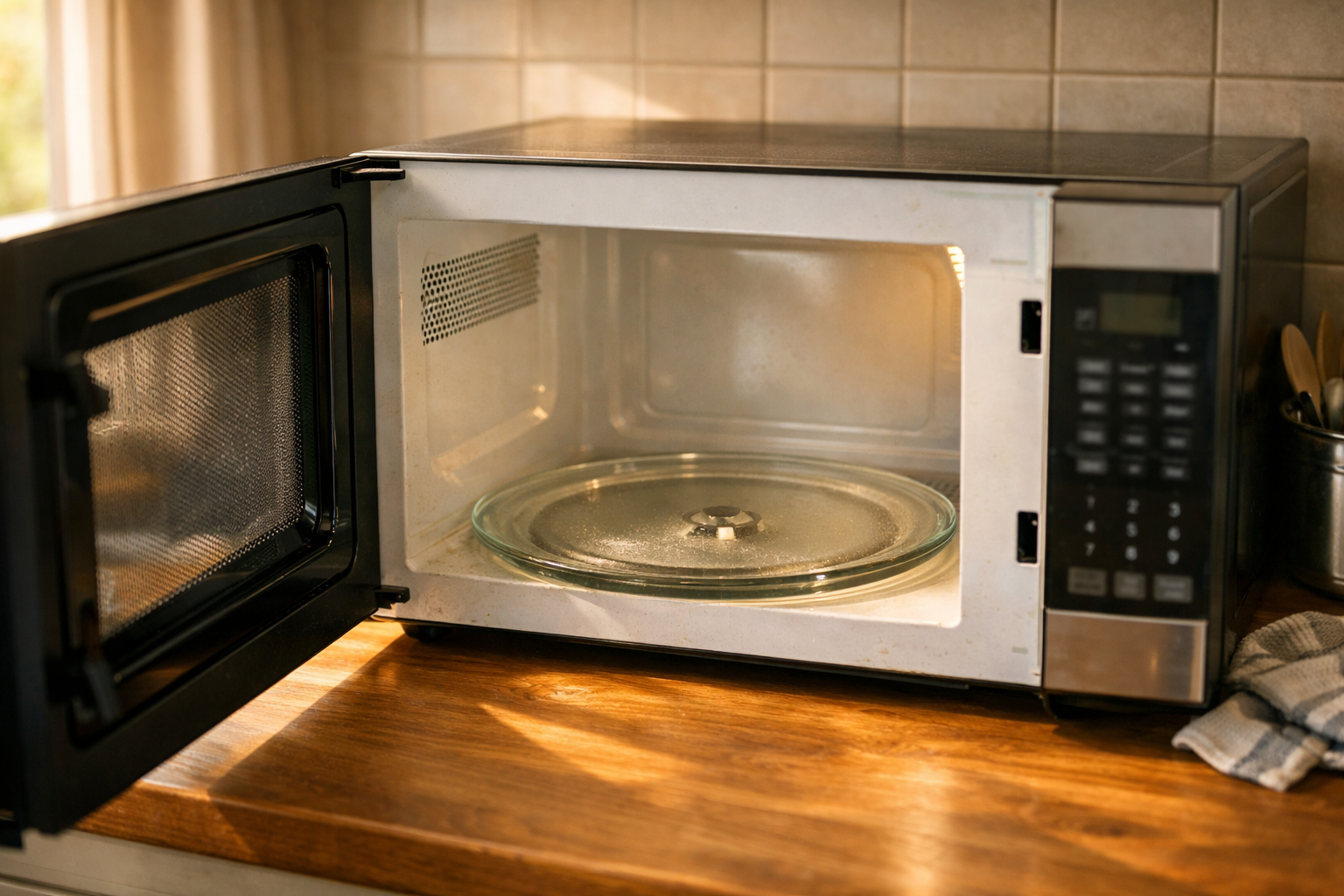
Nothing makes you pause mid-snack faster than spotting a cockroach in your microwave. Gross, right? I remember discovering one nestled behind the glass turntable—it made my stomach churn and my kitchen immediately feel unsafe. Roaches aren’t just creepy; they can carry bacteria and contaminate the very appliance you rely on for reheating meals.
If you’re wondering how to remove roaches from microwave, you’re in the right place. It’s not just about squashing a bug or dousing the appliance with chemicals. A proper approach involves cleaning, sealing entry points, and using safe deterrents that protect both your food and your family. In this guide, I’ll share step-by-step methods I’ve used myself, explain how to prevent infestations, and cover natural versus chemical solutions. By the end, you’ll know how to reclaim your microwave and keep it pest-free for good.
Why Roaches Invade Microwaves
Roaches are attracted to warmth, moisture, and food residue—exactly what a microwave offers. Even a tiny spill or crumbs inside the cavity can become a magnet. I once cleaned my microwave thoroughly, only to find a single cockroach return after a few days because the seals had tiny gaps.
Microwaves provide roaches with a safe, dark space to hide during the day. Because they’re nocturnal, you might not notice the problem until it’s more than one pest. Additionally, the heat inside the microwave doesn’t necessarily deter them if they hide in cracks or under components.
Ignoring the problem can lead to contamination, spreading bacteria like Salmonella. The sooner you act, the easier it is to remove them completely. Roaches don’t just vanish; you need a systematic approach.
Cleaning the Microwave Thoroughly
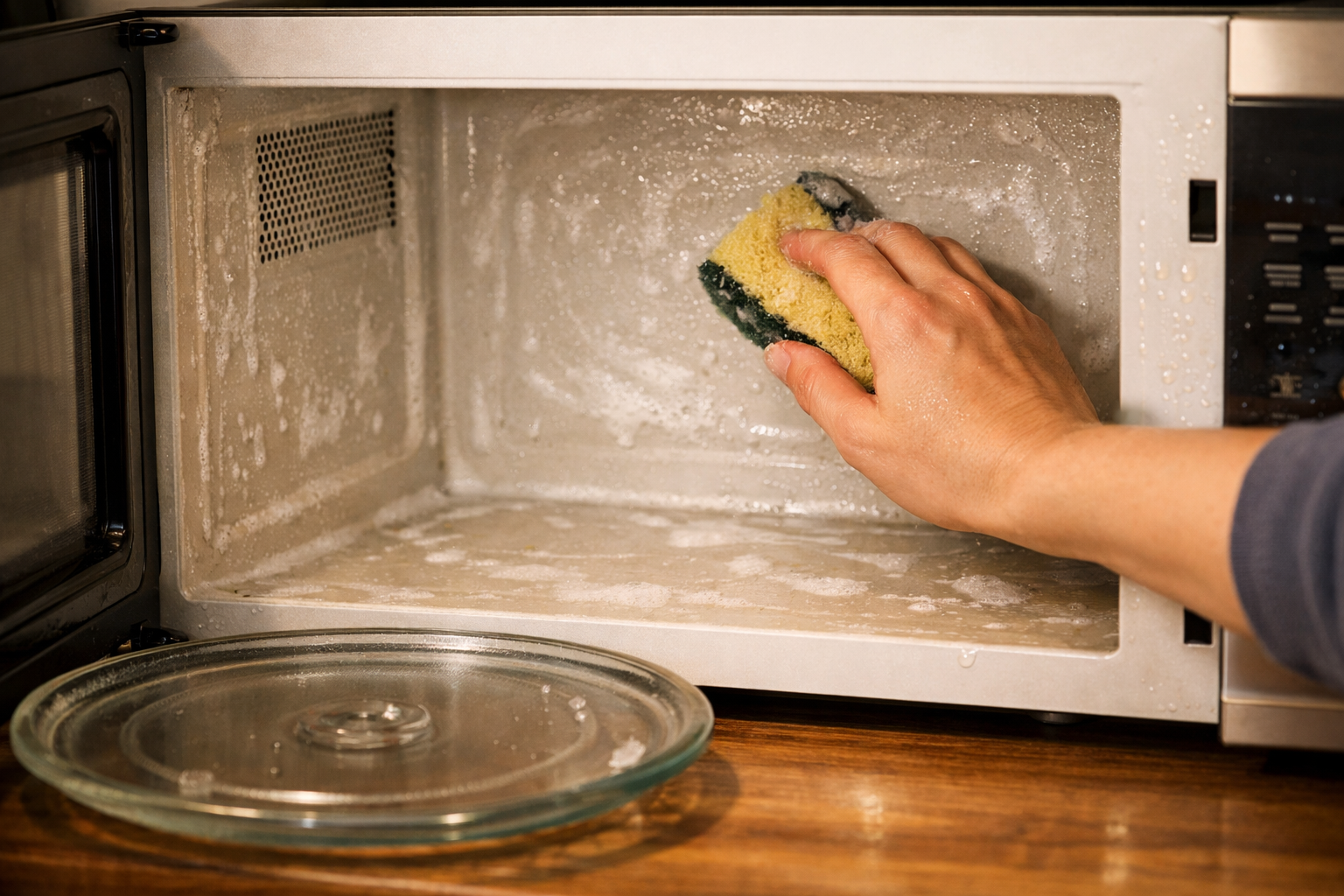
Step one is removing all food residue, as this eliminates their primary attraction. Unplug the microwave and remove the glass turntable and roller ring. Wash these separately in hot, soapy water. I like to soak mine for ten minutes to loosen any grease.
Next, use a natural cleaner like a vinegar-water solution to wipe the interior walls, ceiling, and door. The acidity not only cleans but also leaves a scent that roaches dislike. I usually let the solution sit on stubborn spots for a few minutes before wiping.
Don’t forget to clean vents and crevices. Roaches often hide in corners or behind screws. A cotton swab dipped in soapy water works well to reach tight spaces. Make sure everything dries completely before reassembling the microwave to remove excess moisture that attracts pests.
Using Natural Deterrents
Once the microwave is clean, you can prevent roaches from returning using safe, non-toxic deterrents. Diatomaceous earth, sprinkled lightly around the base and back of the microwave, is effective. It doesn’t harm humans or pets but damages the roaches’ exoskeleton.
Bay leaves or small sachets of dried peppermint placed near the appliance can also discourage pests. I’ve personally found that peppermint oil applied on a cotton ball and tucked behind the microwave acts as a subtle, long-lasting deterrent without harsh chemicals.
For frequent infestations, consider keeping a shallow tray of boric acid outside the appliance (never inside). It attracts roaches away from food areas while remaining relatively safe if handled correctly.
Chemical Solutions: When to Use Them
If infestations persist despite cleaning and natural methods, a targeted chemical approach may be necessary. Insecticide sprays designed for kitchens can be applied carefully around the exterior, including vents and behind the appliance.
It’s crucial never to spray chemicals inside the microwave cavity itself. Even small residues can contaminate your food when the appliance is in use. I always recommend wearing gloves and ventilating the area during application.
Follow up after spraying with another thorough cleaning to remove any traces that could accidentally reach your meals. Using chemicals as a last resort ensures safety without compromising effectiveness.
Sealing Entry Points
Roaches are small and can enter through minuscule gaps. After cleaning, inspect the microwave’s housing, back panel, and nearby walls. Use food-safe silicone or caulk to seal cracks. I once found a gap behind my unit that allowed pests to sneak in from the wall; sealing it solved recurring issues entirely.
Check the cord entry and ventilation slots. Some people cover vents with fine mesh to block roaches while maintaining airflow. Make sure any solution doesn’t impede the microwave’s function or overheat the appliance.
Sealing is a long-term investment, preventing repeated infestations without continuous chemical use.
Preventing Future Infestations
Regular cleaning is your first line of defense. Wipe down the microwave weekly, remove food spills immediately, and avoid storing food nearby that can attract roaches.
Maintain general kitchen hygiene: don’t leave dirty dishes, garbage, or crumbs unattended. I’ve learned that even a single forgotten snack can undo all the effort.
Additionally, keeping your kitchen dry helps, as roaches are drawn to moisture. Use ventilation or a dehumidifier if necessary, and inspect the microwave occasionally for signs of pests.
Consistent prevention combined with cleaning, deterrents, and sealing keeps your appliance roach-free for the long term.
Conclusion
Removing roaches from a microwave requires more than just killing visible pests. Thorough cleaning, natural deterrents, careful chemical use, and sealing entry points form a complete strategy.
By applying these methods, you can reclaim your appliance safely and protect your family from contamination. Prevention is key: regular maintenance, proper hygiene, and monitoring ensure your microwave remains a clean, safe space for food. With patience and systematic action, roaches can be eliminated and kept out for good.