A clogged air filter can quietly ruin your HVAC system’s performance long before you notice any obvious problem. I’ve seen systems struggle for months simply because the filter was never replaced on time, and the impact was surprisingly expensive. The truth is, understanding how often you should replace HVAC filters can completely change how your system performs.
Most people underestimate the role of something as simple as a filter. But it directly affects airflow, energy efficiency, indoor air quality, and even the lifespan of your HVAC unit. A dirty filter forces your system to work harder, increasing wear and driving up your electricity bill. On the other hand, a clean filter keeps everything running smoothly and efficiently.
In this guide, I’ll break everything down in a simple, practical way. You’ll learn how often to change filters, what factors affect replacement frequency, and how to recognize when your filter is overdue. By the end, you’ll have a clear system to keep your HVAC running at its best—without guesswork or unnecessary repairs.
What Do HVAC Filters Actually Do?
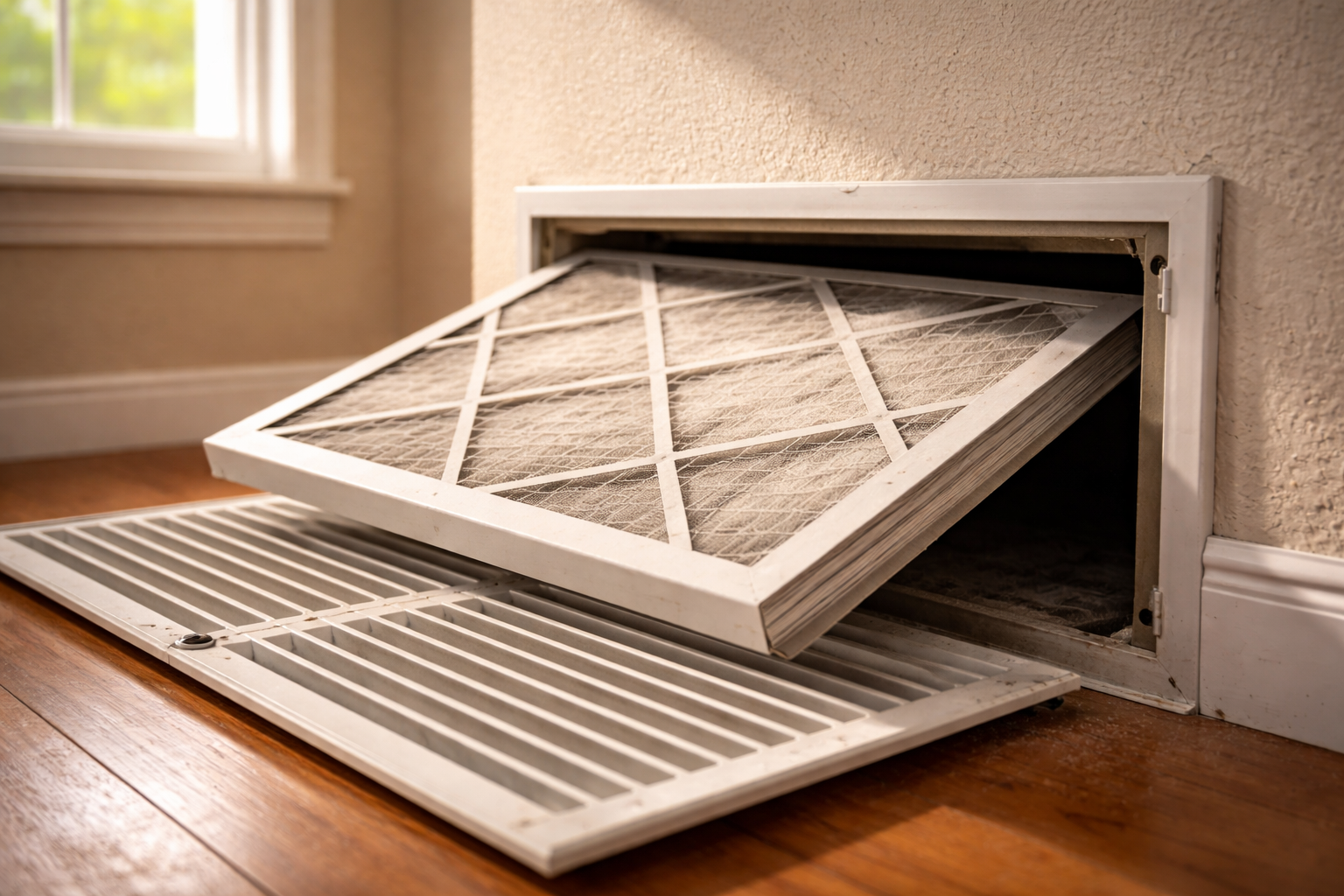
HVAC filters are designed to trap dust, dirt, pollen, and other airborne particles before they circulate through your home. They act as a protective barrier for both your system and your indoor air.
I’ve worked with homes where the filter was so clogged that airflow was almost completely restricted. The system was still running, but barely moving air. That’s when I realized how critical this small component really is.
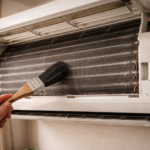
A good filter doesn’t just clean the air—it protects your HVAC system’s internal components, like the evaporator coil and blower motor. Without it, dust buildup can lead to costly repairs and reduced efficiency. That’s why filter maintenance is one of the simplest yet most important parts of HVAC care.
How Often Should You Replace HVAC Filters?
The general guideline for most homes is to replace HVAC filters every 1 to 3 months. However, this isn’t a one-size-fits-all rule. The ideal frequency depends on several factors that can significantly change how fast your filter gets dirty.
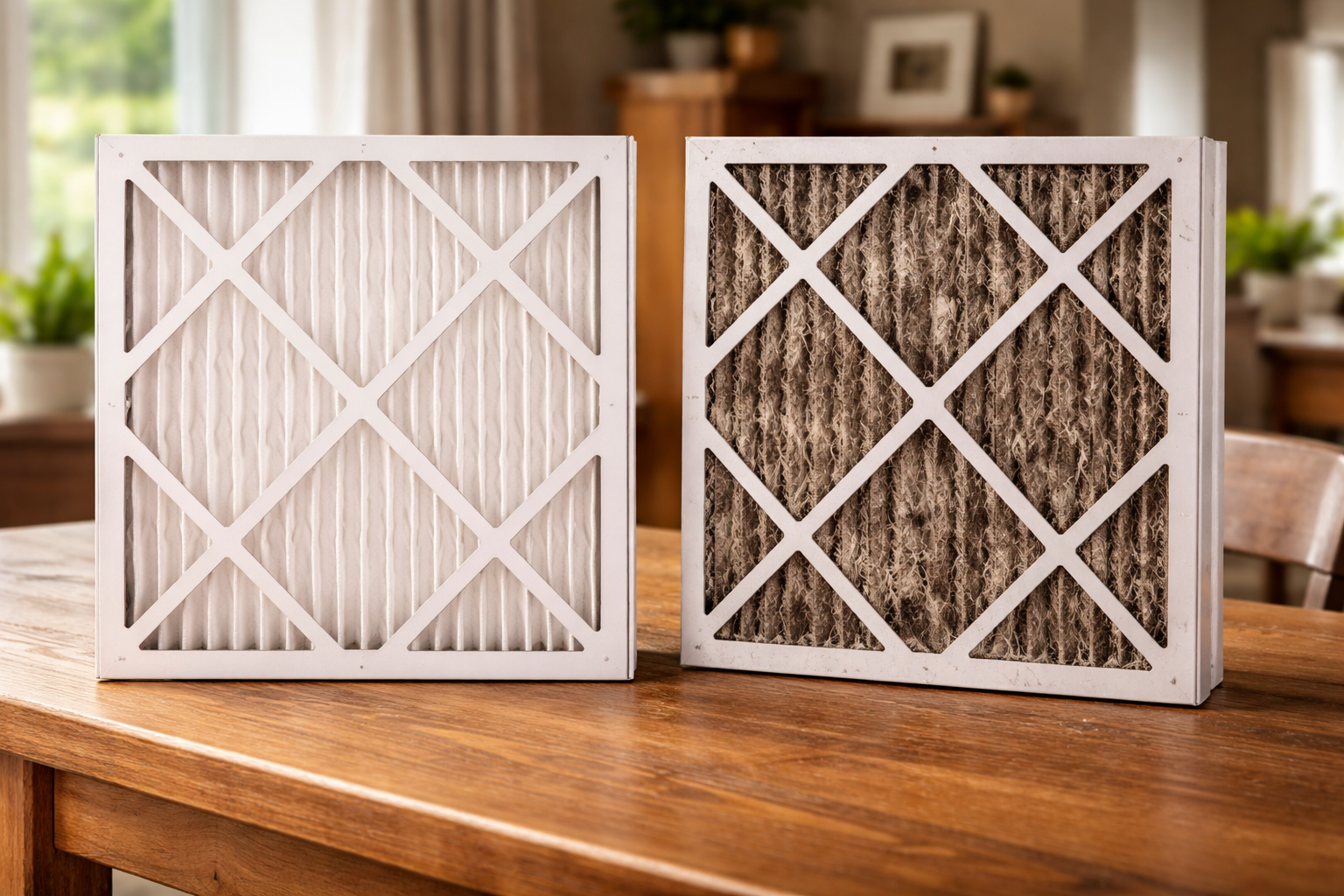
In my experience, homes with pets or high dust levels often need filter changes every 30 days. On the other hand, a low-traffic household without pets may stretch it closer to 60 or even 90 days. But waiting too long is risky—it only takes a partially clogged filter to affect performance.
I’ve seen homeowners ignore filters for 6 months or more. The result? Reduced airflow, higher energy bills, and in some cases, system overheating. So while general guidelines help, paying attention to your specific environment is what really matters.
Factors That Affect Filter Replacement Frequency
Home Environment and Air Quality
The environment inside and outside your home plays a major role in how quickly your filter clogs. Dusty areas, construction nearby, or high pollen seasons can fill your filter much faster than usual.
I once worked in a home near an active construction site, and their filter was completely clogged in just three weeks. It was a clear reminder that environmental factors can drastically change replacement timelines.
Cleaner homes with good insulation and air quality can extend filter life. But even in those cases, regular checks are still necessary because buildup happens gradually and often goes unnoticed.
Pets and Allergens
Homes with pets—especially dogs and cats—need more frequent filter changes. Pet hair, dander, and odors can quickly accumulate in the filter.
I’ve personally noticed that even a single shedding dog can reduce a filter’s efficiency significantly within a month. If you also have allergies, keeping your filter clean becomes even more important for maintaining indoor air quality.
System Usage and Climate
How often your HVAC system runs directly impacts filter lifespan. In hot climates where air conditioning runs almost constantly, filters get dirty faster.
During peak summer or winter months, I recommend checking filters more frequently. Continuous operation means more air is being filtered, which naturally leads to quicker clogging and reduced airflow over time.
Signs Your HVAC Filter Needs Replacement
One of the clearest signs is reduced airflow from your vents. If your rooms aren’t cooling or heating properly, a dirty filter could be restricting air movement.
Another sign I’ve noticed is a sudden increase in energy bills. When the system works harder to push air through a clogged filter, it consumes more electricity. This often goes unnoticed until the bill arrives.
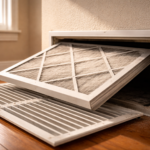
Visible dirt on the filter is also a strong indicator. If the filter looks dark, dusty, or completely blocked, it’s already overdue for replacement. In many cases, you don’t even need tools—just a quick visual inspection can tell you everything you need to know.
Consequences of Not Replacing HVAC Filters Regularly
Neglecting filter replacement can lead to serious system problems. Restricted airflow forces your HVAC unit to work harder, which increases wear and tear on key components.
I’ve seen systems where a neglected filter led to overheating and eventual compressor failure. That’s a costly repair—one that could have been avoided with a simple filter change.
Dirty filters also reduce indoor air quality. Dust, allergens, and pollutants start circulating inside your home, which can affect health, especially for people with asthma or allergies. Over time, this creates an unhealthy living environment that’s easily preventable.
How to Choose the Right HVAC Filter
Not all filters are created equal. Different filters have different MERV ratings, which measure how effectively they capture particles.
Higher MERV ratings capture smaller particles but may restrict airflow if your system isn’t designed for them. I’ve seen cases where homeowners installed very high-rated filters, thinking they were better, but ended up straining their system.
The key is balance. Choose a filter that fits your system’s specifications while still providing good air filtration. Consulting your HVAC manual or a professional can help you make the right choice without risking performance.
Best Practices for Maintaining HVAC Filters
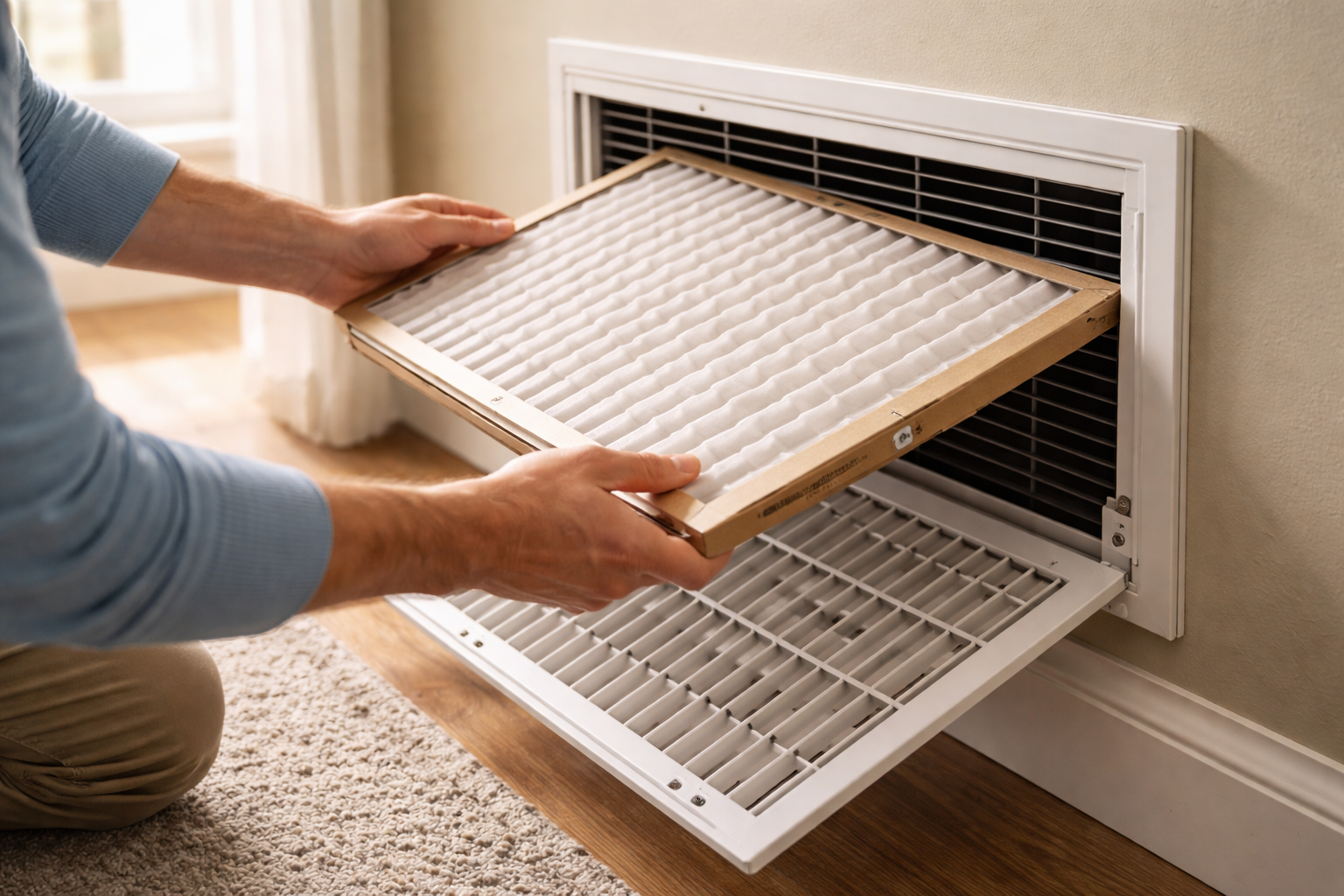
The simplest habit is setting a reminder to check your filter monthly. Even if you don’t replace it every time, regular inspection helps you stay ahead of problems.
I always recommend keeping spare filters at home. That way, you’re not tempted to delay replacement just because you don’t have one on hand. It’s a small step that makes a big difference.
Also, consider pairing filter replacement with a recurring task, like paying bills or cleaning your home. Building it into a routine ensures you never forget, and your system will thank you with better performance and fewer issues.
Final Thoughts: Keep Your HVAC Running Smoothly
Understanding how often you should replace HVAC filters is one of the simplest ways to protect your system and improve air quality. It’s a small task, but it has a big impact.
The key takeaway is this: don’t wait too long. Whether it’s every month or every three months, staying consistent is what keeps your HVAC running efficiently and your home comfortable.
If you haven’t checked your filter recently, now is the perfect time. Take a quick look, replace it if needed, and make it a habit. That small step can save you money, improve air quality, and extend the life of your entire system.