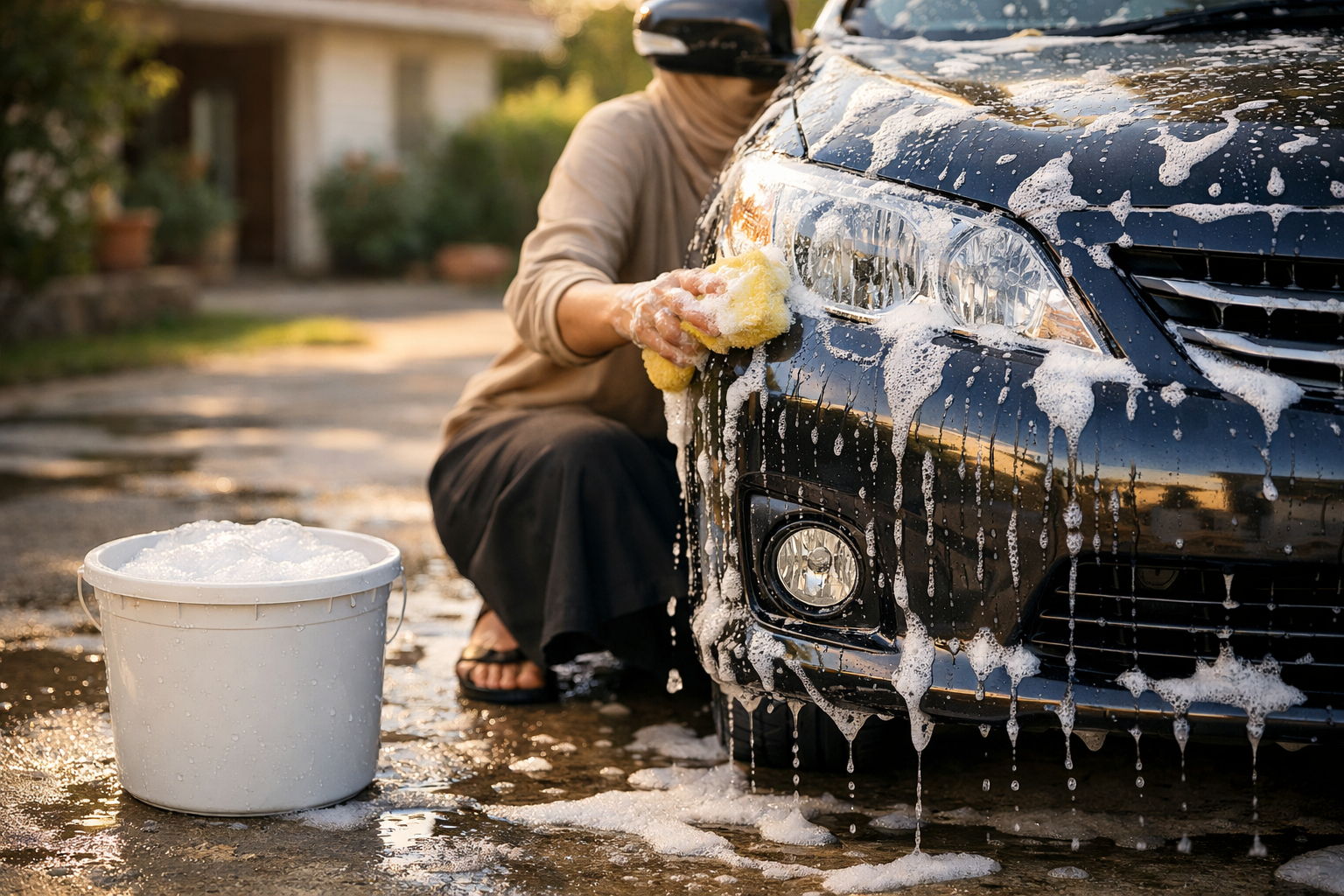
Have you ever run out of car shampoo and thought, “Can I just use dishwashing liquid instead?” I’ve done it—and honestly, it seems like a quick, harmless fix. After all, dish soap cuts through grease on plates, so it should clean a car too… right?
But here’s the surprising truth: using dishwashing liquid on your car can do more harm than good if you’re not careful. Understanding can you wash a car with dishwashing liquid isn’t just about convenience—it’s about protecting your car’s paint, wax coating, and long-term appearance.
In this guide, I’ll break down when it’s okay to use dish soap, when you should avoid it, and what better alternatives exist. You’ll also learn common mistakes, safe washing techniques, and how to keep your car looking glossy without causing hidden damage. Let’s get into it!
Can You Wash a Car with Dishwashing Liquid? The Honest Answer
Yes, you can wash a car with dishwashing liquid—but that doesn’t mean you should do it regularly. I’ve tried it myself in a pinch, and while it removed dirt and grime effectively, I noticed the shine on my car faded faster over time. That was my first clue something wasn’t quite right.
Dishwashing liquid is designed to break down grease and oils aggressively. This makes it excellent for cleaning kitchenware, but your car’s paintwork is a different story. The same properties that cut grease can strip away protective layers like wax or sealant.
If you use dish soap occasionally in an emergency, it’s unlikely to cause immediate damage. However, repeated use can lead to dull paint, increased exposure to contaminants, and a higher risk of scratches. So while it works in the short term, it’s not a long-term solution.
Why Dishwashing Liquid Can Damage Your Car
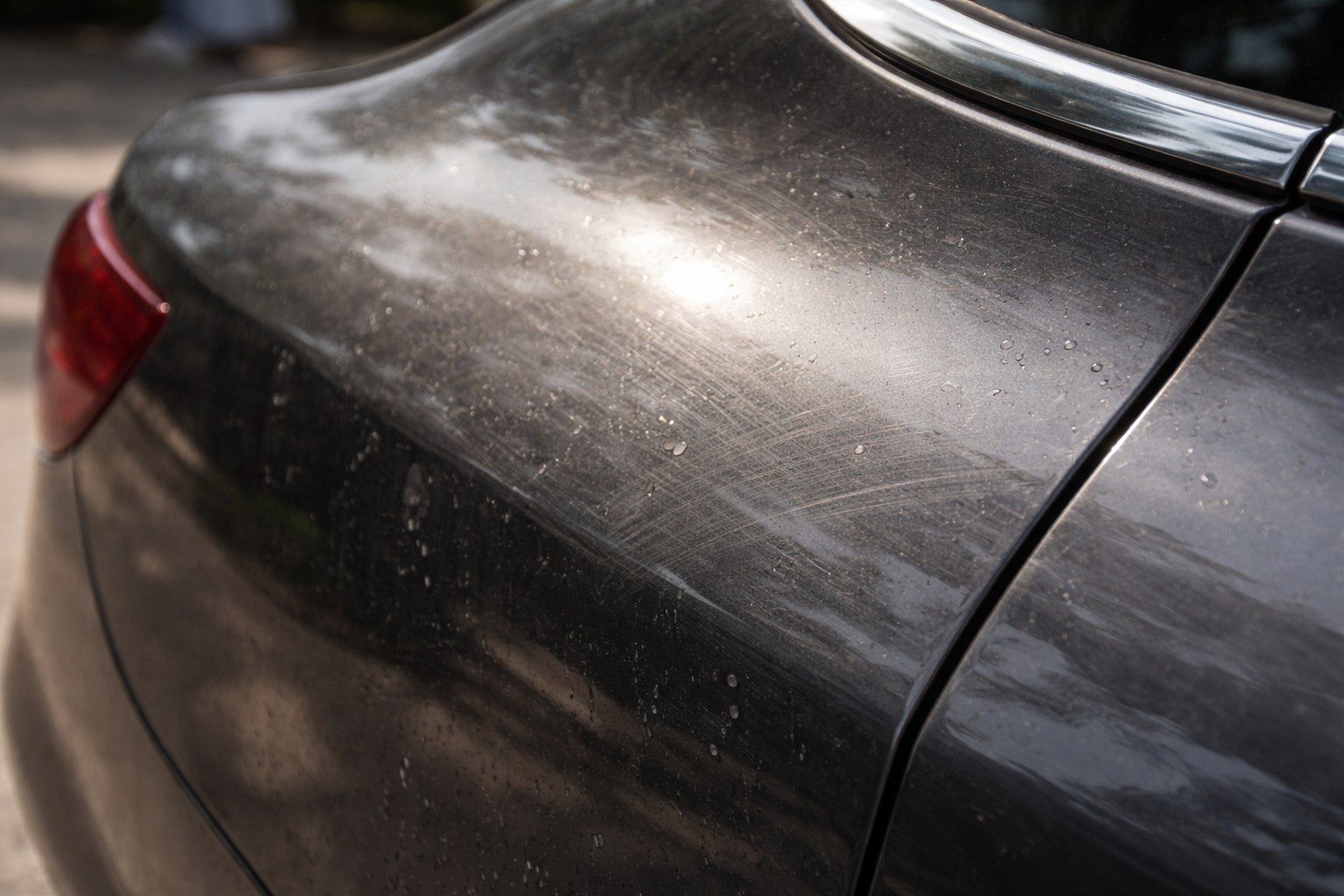
The biggest issue with dishwashing liquid is its strength. Unlike car shampoos, which are specifically formulated for automotive finishes, dish soap is much harsher. I learned this the hard way after noticing my car’s surface felt rougher after a few washes.
One major concern is wax removal. Wax acts as a protective barrier, shielding your car from UV rays, dirt, and water spots. Dish soap strips this layer away, leaving the paint exposed. Without that protection, your car becomes more vulnerable to environmental damage.
Another problem is how dish soap interacts with paint coatings. Modern cars often have clear coats or ceramic coatings that require gentle care. Using harsh detergents can degrade these layers over time, reducing their effectiveness and shortening their lifespan.
When Is It Okay to Use Dish Soap on a Car?
Despite its downsides, there are situations where dishwashing liquid can be useful. For example, if you’re preparing your car for a full detailing session, stripping old wax might actually be beneficial. In that case, dish soap can help create a clean surface for new wax or sealant application.
I’ve also used dish soap in emergencies when no car shampoo was available. In those moments, it’s better to clean your car than let dirt sit and potentially damage the paint. The key is to follow up with proper protection afterward.
However, these scenarios should be the exception, not the rule. Regular maintenance should always involve products designed specifically for cars. This ensures your vehicle stays protected and maintains its shine over time.
Emergency Use vs Regular Maintenance
There’s a big difference between using dish soap once and relying on it every week. Occasional use won’t ruin your car, but consistent use will gradually degrade its protective layers.
Best Alternatives to Dishwashing Liquid
Once I switched to a proper car shampoo, the difference was noticeable immediately. Car shampoos are designed to clean without stripping wax or damaging paint. They also produce better foam, which helps lift dirt away safely.
Many modern car wash products include lubricants that reduce friction during washing. This minimizes the risk of scratches and swirl marks. Dish soap, on the other hand, lacks these protective qualities, making it less suitable for automotive care.
If you’re serious about maintaining your car’s appearance, investing in a quality car shampoo is worth it. It’s a small expense that can save you from costly paint corrections later.
How to Wash Your Car Safely
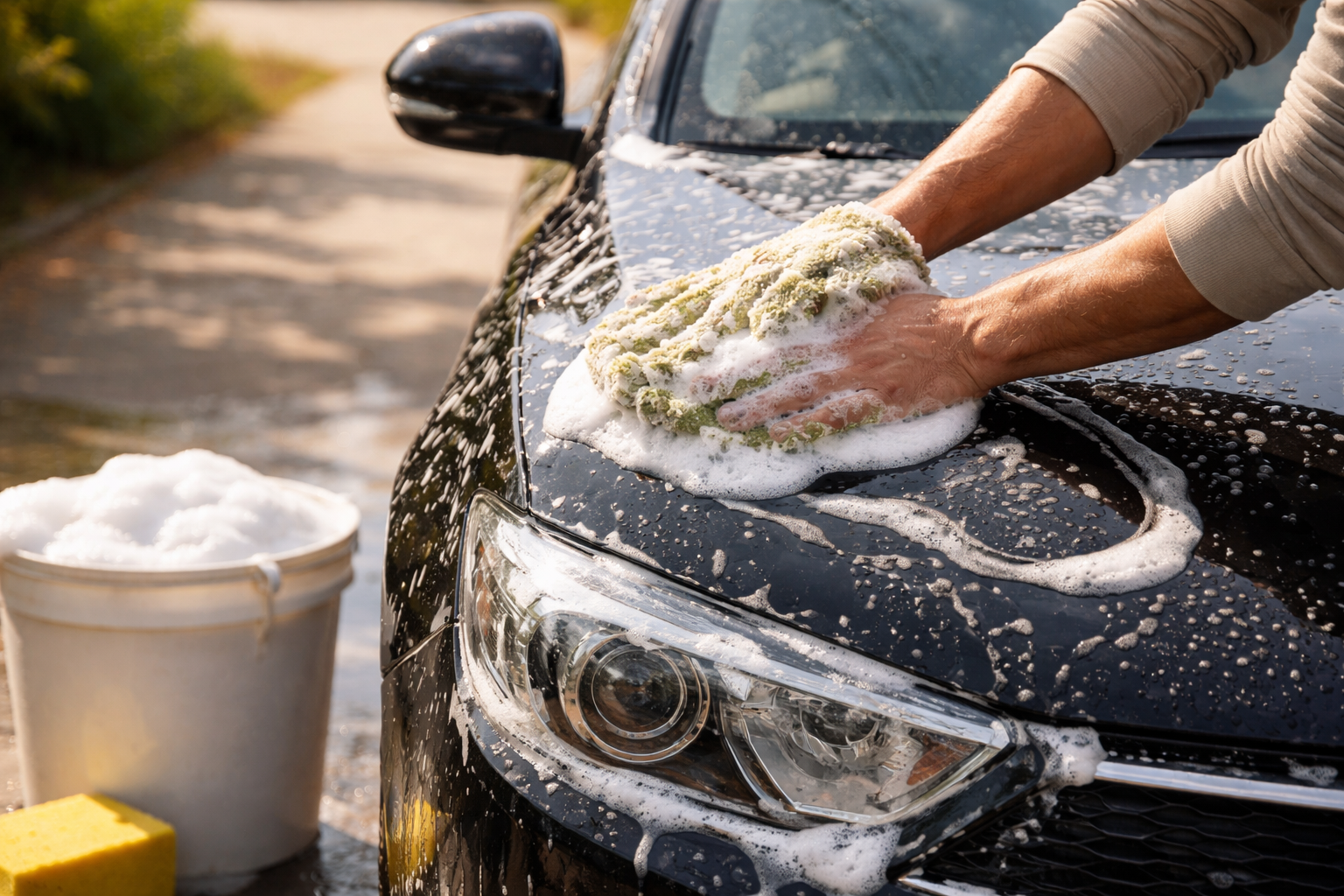
Proper washing technique matters just as much as the products you use. I used to think washing a car was straightforward—just soap, water, and a sponge. But I quickly learned that technique makes a huge difference in preventing damage.
Always start by rinsing your car thoroughly to remove loose dirt. This reduces the risk of scratching the paint during washing. Use a microfiber mitt instead of a rough sponge, as it’s gentler on the surface.
Work from top to bottom and rinse frequently. This prevents dirt from spreading and ensures a more even clean. After washing, dry your car with a soft microfiber towel to avoid water spots. These small steps can significantly improve your results.
Common Mistakes to Avoid
One of the most common mistakes is using household cleaning products on your car. I’ve seen people use everything from dish soap to laundry detergent, thinking it will save money. In reality, it often leads to more damage and higher costs in the long run.
Another mistake is washing under direct sunlight. This can cause soap and water to dry too quickly, leaving streaks and spots. It’s always better to wash your car in a shaded area.
Using the wrong tools is another issue. Rough brushes or old sponges can create scratches on the paint surface. Investing in proper washing tools ensures your car stays in top condition.
Final Thoughts: Protecting Your Car the Right Way
So, can you wash a car with dishwashing liquid? Yes—but only in specific situations and not as a regular habit. While it can clean effectively, it also strips away protective layers and can dull your car’s finish over time.
The best approach is to use products designed for automotive care and follow proper washing techniques. This keeps your car looking shiny, protects the paint, and extends its lifespan.
If you’ve been using dish soap regularly, don’t worry—it’s never too late to switch. Start using a quality car shampoo, reapply wax if needed, and you’ll notice the difference quickly. Your car deserves better care, and with the right approach, it will look great for years to come!