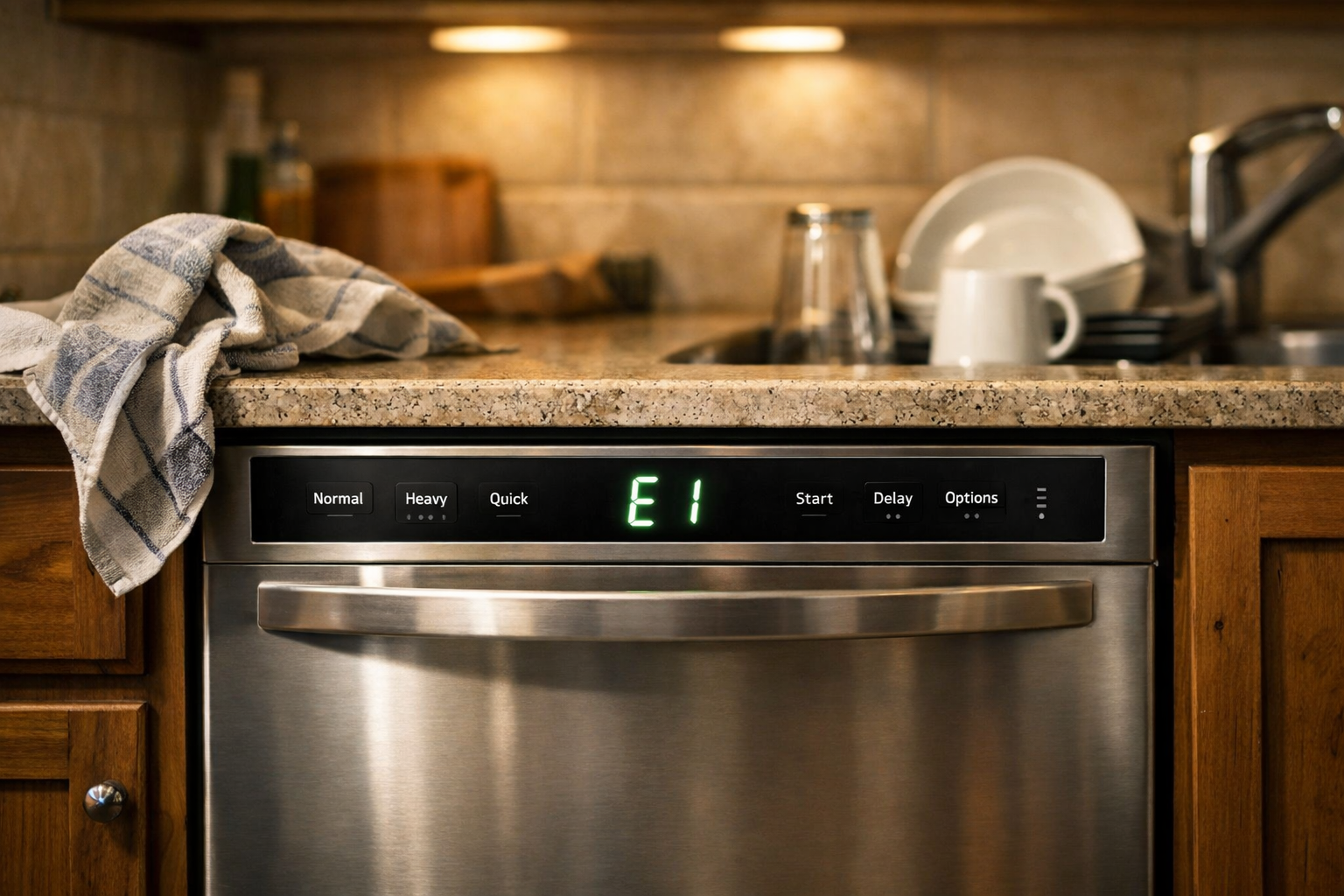
Few things are more frustrating than loading your dishwasher, pressing start, and suddenly seeing a mysterious E1 error code flashing on the display. If you own a Whirlpool dishwasher, you’re not alone—this is one of the most common error messages users encounter.
The first time I saw the Whirlpool dishwasher E1 error code, I assumed the machine was broken and needed expensive repairs. But after digging into the issue, I realized that in many cases the problem is surprisingly simple. Often, it comes down to water supply, sensor issues, or drainage problems that you can fix yourself in minutes.
In this guide, I’ll walk you through exactly what the E1 error code means, why it happens, and the practical steps you can take to fix it. Whether the problem is a clogged inlet, faulty water pressure, or a sensor glitch, understanding the cause will help you get your dishwasher running smoothly again.
What the Whirlpool Dishwasher E1 Error Code Means
When a Whirlpool dishwasher displays the E1 error code, it usually indicates a problem with the water supply or filling system. In simple terms, the dishwasher expected a certain amount of water during the wash cycle but did not receive it within the required time.
Modern dishwashers rely on multiple sensors to monitor water flow, temperature, and pressure. If the control board detects that water is not entering the machine correctly, it stops the cycle and displays the E1 code. This safety mechanism prevents the dishwasher from running dry and damaging internal components like the heating element or pump motor.
In many cases, the problem isn’t with the dishwasher itself. A partially closed water valve, low water pressure, or a kinked inlet hose can trigger the error. That’s why the first step in troubleshooting is always checking the external water supply.
Another reason the E1 code appears is when the flow meter or water inlet valve fails to communicate properly with the control board. These components measure how much water enters the appliance, and if their readings are inconsistent, the system assumes something is wrong.
Common Causes of the E1 Error Code
The most frequent cause of the E1 error is restricted water flow into the dishwasher. Over time, mineral deposits, debris, or sediment from household plumbing can clog the inlet filter or valve. When this happens, the dishwasher struggles to fill with enough water to begin the wash cycle.
Low water pressure is another common culprit. If multiple appliances are using water at the same time—like a washing machine or shower—the dishwasher might not receive sufficient pressure. This can easily trigger the E1 error even though the machine itself is working fine.
In some cases, the issue lies inside the appliance. A malfunctioning water inlet valve can prevent water from entering the tub. Similarly, a faulty flow meter or water sensor may send incorrect signals to the control board, making the dishwasher believe there’s a supply problem.
Occasionally, the problem is simply a temporary electronic glitch. Modern dishwashers rely on microprocessors, and like any electronic device, they sometimes need a reset to clear error codes and resume normal operation.
How to Fix Whirlpool Dishwasher E1 Error Code
One of the first troubleshooting steps I always recommend is performing a simple power reset. Turn off the dishwasher and unplug it from the power outlet for about five minutes. When you reconnect it, the control board will reset, which often clears minor system errors.
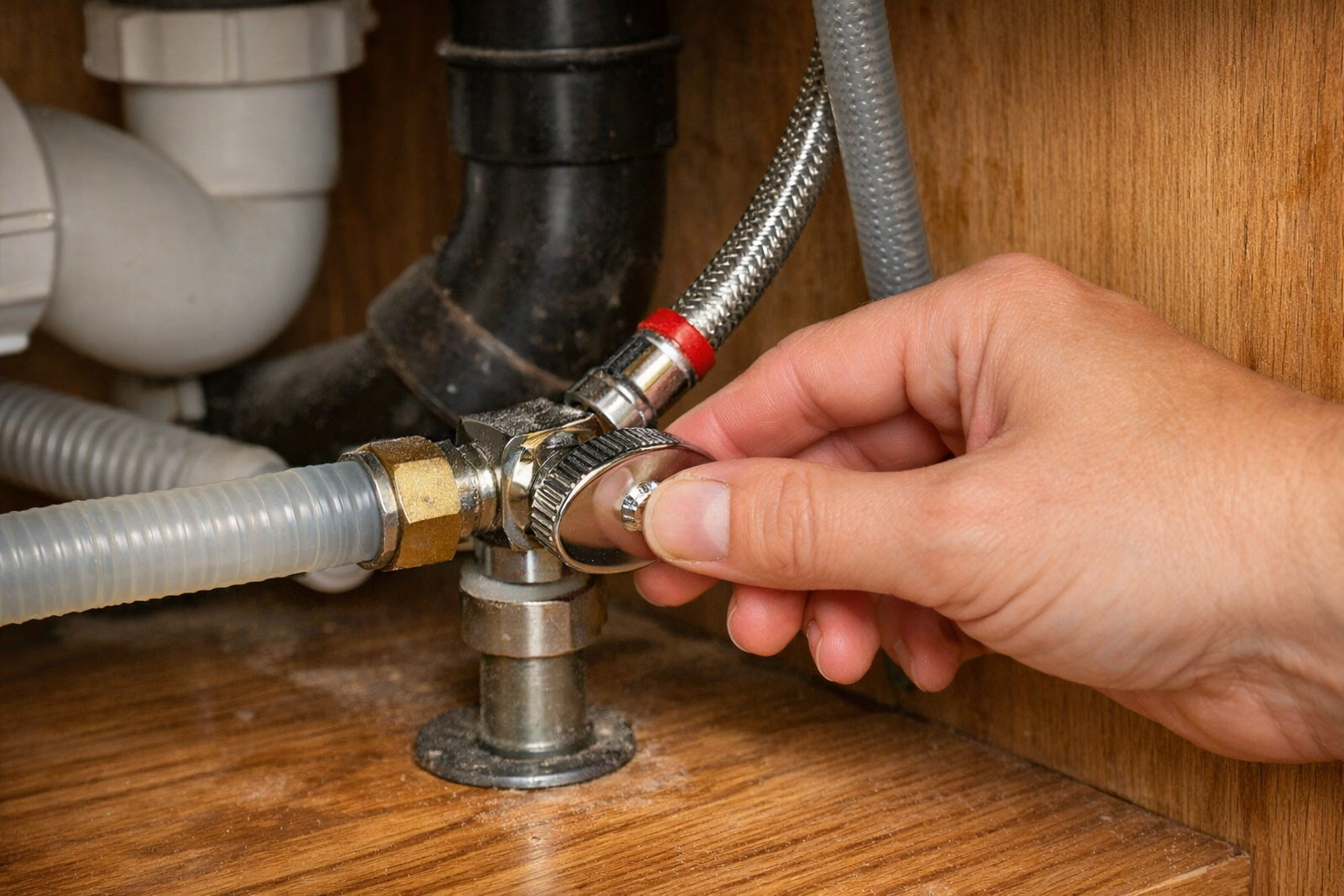
Next, inspect the water supply valve under the sink. Make sure it’s fully open and not partially closed. Many homeowners accidentally turn the valve slightly while cleaning under the sink, reducing the water flow to the dishwasher.
The water inlet hose is another important component to check. If the hose is bent, kinked, or twisted behind the appliance, water may not reach the dishwasher properly. Straightening the hose can sometimes resolve the issue immediately.
You should also examine the inlet filter screen where the hose connects to the dishwasher. Over time, small particles from plumbing pipes can accumulate here. Cleaning the filter with warm water and a soft brush often restores proper water flow.
Checking the Water Inlet Valve
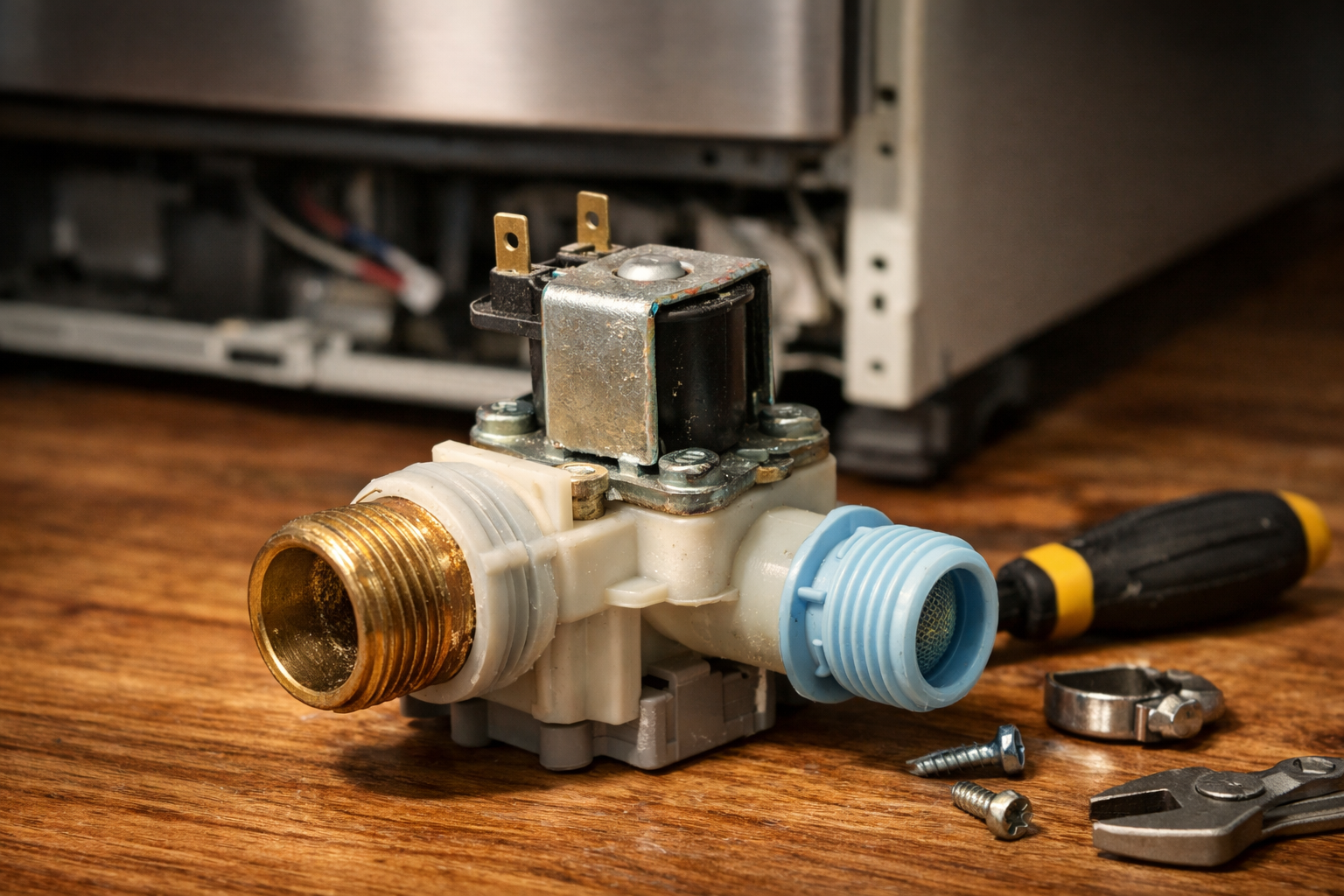
If the basic troubleshooting steps don’t resolve the E1 error, the next component to investigate is the water inlet valve. This small but critical part controls how much water enters the dishwasher during the fill cycle.
When the dishwasher starts, the control board sends an electrical signal to open the valve. Water then flows through the valve and into the dishwasher tub. If the valve becomes stuck or fails electrically, the machine won’t fill properly.
In my experience, mineral buildup is one of the most common reasons the valve stops working correctly. Hard water deposits can accumulate inside the valve over time, restricting the internal mechanism. In some cases, cleaning the valve helps—but often it needs replacement.
Testing the valve usually requires a multimeter to check for electrical continuity. If the valve doesn’t respond when power is applied, replacing it is usually the most reliable solution.
Could a Drainage Problem Trigger the E1 Code?
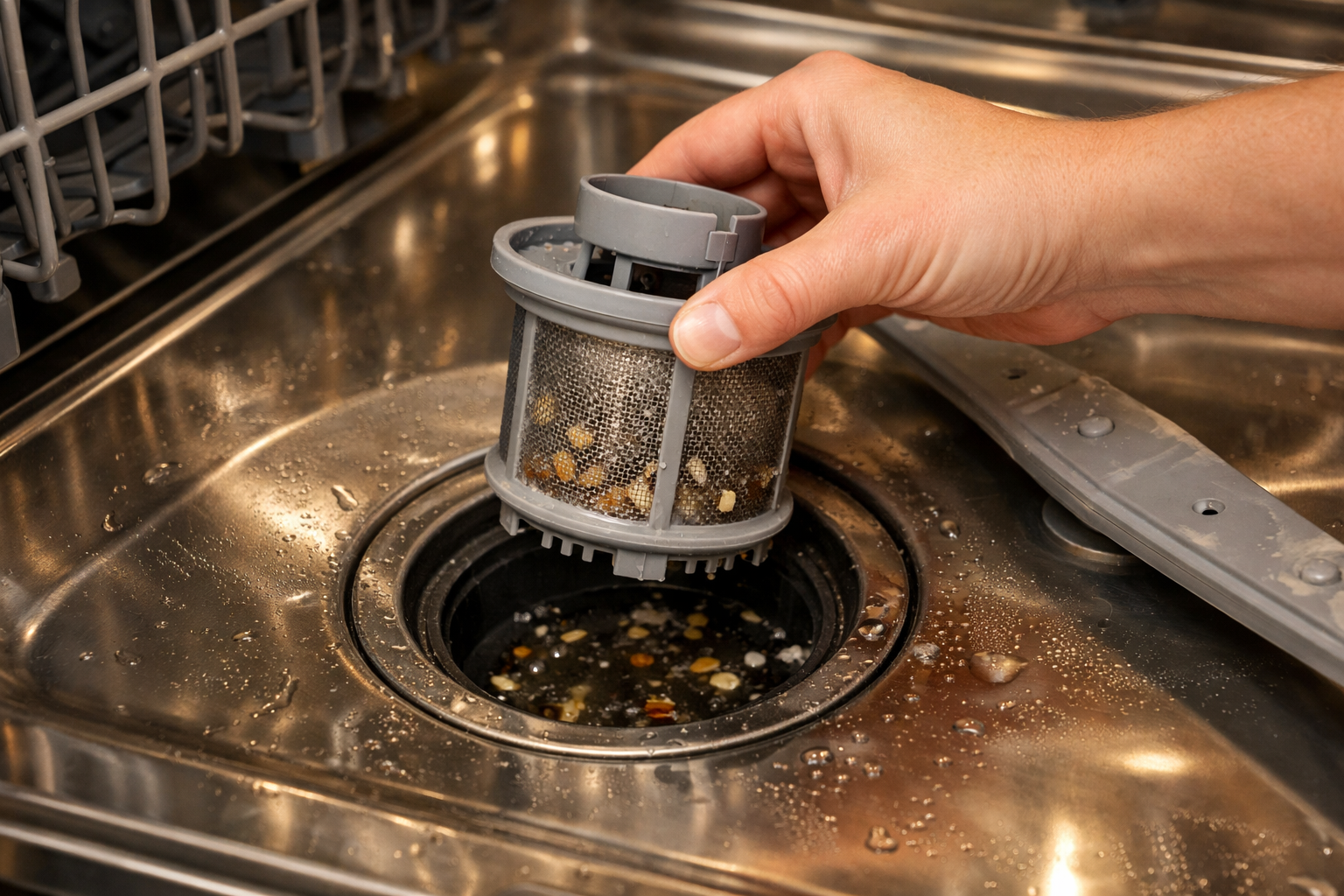
While the E1 error is mostly associated with water filling problems, drainage issues can sometimes contribute to the same warning. Dishwashers operate in tightly controlled cycles, and if water isn’t draining correctly, the machine may misinterpret the situation as a filling problem.
For example, if the drain hose is clogged or blocked, the dishwasher may retain water from a previous cycle. When the next cycle begins, the system detects abnormal water levels and triggers an error.
Food particles, grease, and soap residue often accumulate in the drain filter at the bottom of the dishwasher. Cleaning this area regularly helps maintain proper water circulation and prevents unexpected errors.
Another overlooked component is the garbage disposal connection. If the dishwasher drain hose connects to a newly installed disposal unit, the knockout plug inside the disposal might still be intact. Removing that plug ensures water can drain properly.
When to Call a Technician
Sometimes the E1 error persists even after checking the water supply, hose, and filters. When that happens, the issue may involve internal components that require professional diagnosis.
A technician can test parts such as the flow meter, control board, and wiring connections. These components are more complex and require specialized tools to evaluate properly. Attempting to repair them without experience can cause further damage.
If your dishwasher is still under warranty, contacting Whirlpool support is usually the best option. Professional repair services can replace faulty components safely and ensure the appliance operates within manufacturer specifications.
Another factor to consider is the age of the dishwasher. If the unit is over eight to ten years old, recurring errors may indicate that several components are beginning to wear out simultaneously.
How to Prevent the E1 Error in the Future
Preventing the E1 error often comes down to routine maintenance and good dishwasher habits. Running a cleaning cycle with a dishwasher cleaner every few months helps remove mineral buildup from internal components.
It’s also important to inspect the inlet filter and spray arms periodically. Small food particles and sediment can slowly accumulate, restricting water flow and reducing washing performance.
Using the correct type of detergent and avoiding excessive soap can also make a difference. Too much detergent creates foam that interferes with sensors and water circulation, sometimes triggering system errors.
Finally, keeping an eye on your household water pressure helps prevent many dishwasher problems. Consistent water flow ensures that the appliance fills properly during each cycle.
Conclusion
The Whirlpool dishwasher E1 error code may look alarming, but in many cases the solution is straightforward. Most problems stem from simple issues like low water pressure, a kinked inlet hose, or a clogged filter. These are quick fixes that homeowners can handle without professional help.
However, if the error persists after basic troubleshooting, the problem may involve internal components such as the inlet valve, flow meter, or control board. At that point, calling a technician is usually the safest option.
With regular maintenance and proper water supply checks, you can reduce the chances of encountering this error again. Understanding how your dishwasher works—and how to troubleshoot it—can save time, money, and a lot of frustration.