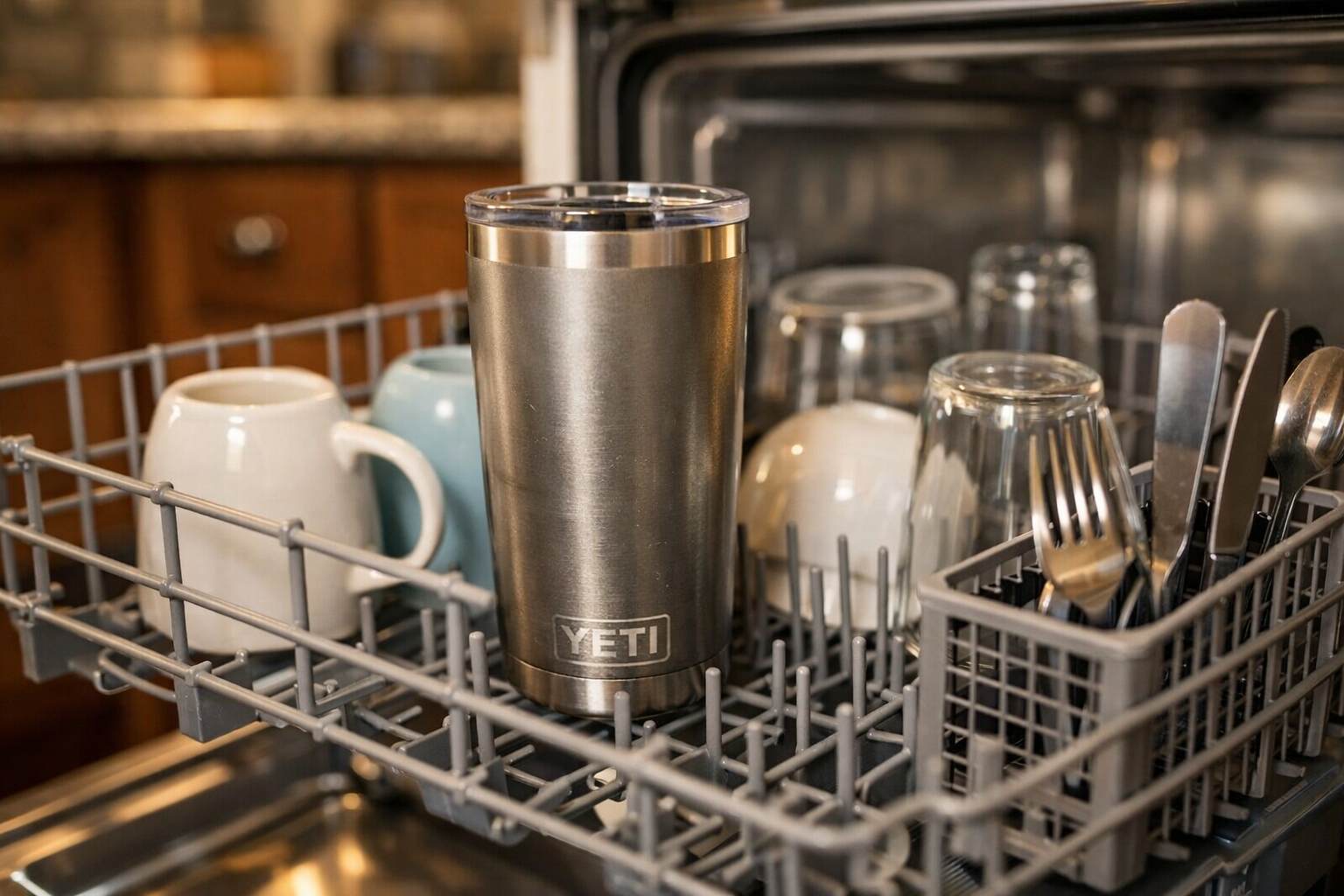
If you own a Yeti tumbler or bottle, you’ve probably asked yourself one simple question: can a Yeti go into the dishwasher? It sounds like a small thing, but cleaning insulated drinkware the wrong way can actually shorten its lifespan.
I remember the first time I tossed my Yeti Rambler into the dishwasher without thinking twice. Stainless steel felt indestructible. But then I started wondering whether the vacuum insulation, lid gasket, or powder-coated finish could get damaged over time. Many people assume premium drinkware needs hand washing only—but the truth is a little more nuanced!
In this guide, I’ll explain whether Yeti cups, tumblers, bottles, and lids are dishwasher safe, what the brand officially recommends, and how to clean them properly without ruining the insulation. We’ll also look at common mistakes, cleaning tips, and what actually happens inside a dishwasher cycle. By the end, you’ll know exactly how to keep your Yeti clean while protecting the durability it’s famous for.
Are Yeti Cups and Tumblers Dishwasher Safe?
One of the biggest reasons people hesitate to put their Yeti products in the dishwasher is the fear of damaging the double-wall vacuum insulation. Older insulated cups from many brands couldn’t handle dishwasher heat because it could weaken the seal between the walls. For years, that led to the belief that all insulated drinkware needed hand washing.
However, modern Yeti products are built differently. The company redesigned its drinkware so that most items in the Yeti Rambler series are dishwasher safe. The stainless steel construction and powder coating are designed to withstand the heat and water pressure of a typical dishwasher cycle without affecting performance.
What surprised me when I first learned this is that the dishwasher can actually clean these tumblers more thoroughly than hand washing. The narrow interior of tall tumblers can trap residue from coffee, tea, or smoothies. A dishwasher’s high-temperature rinse helps break down oils and sugars that sometimes linger even after scrubbing.
That said, there are still a few caveats. Some parts—especially lids with rubber gaskets or magnetic sliders—may need occasional hand cleaning to prevent buildup. Dishwashers are convenient, but they don’t always remove everything hiding in small crevices.
Which Yeti Products Can Go in the Dishwasher?
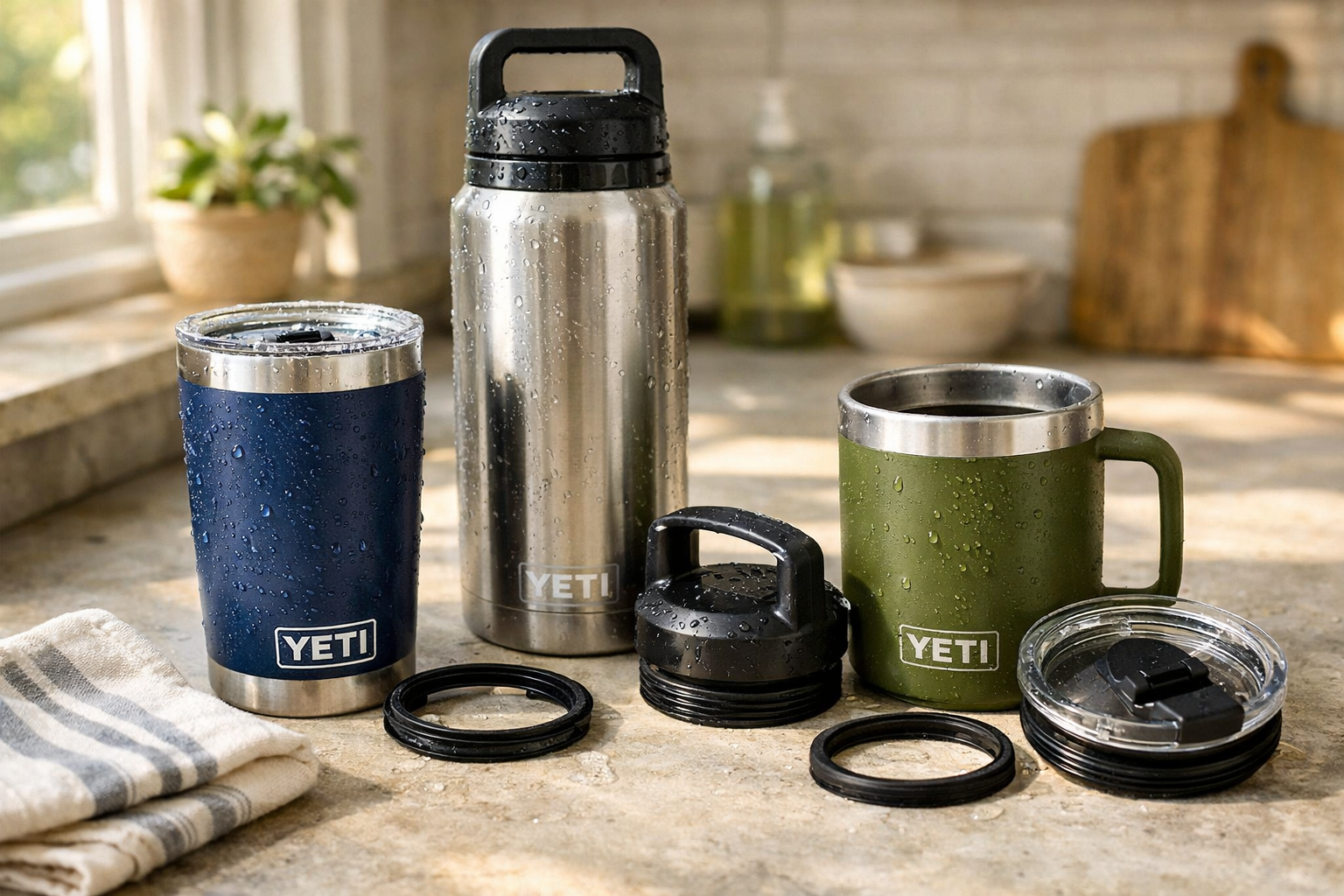
Most people associate Yeti with rugged drinkware like tumblers, mugs, and water bottles. Fortunately, nearly all of these products fall under the brand’s dishwasher-safe category today. Items from the Rambler line, including tumblers, bottles, mugs, and stackable cups, are designed to handle dishwasher cleaning without harming their insulation.
The reason this works is because the vacuum seal between the stainless steel walls is extremely durable. Even high dishwasher temperatures don’t typically compromise that seal. As a result, the drinkware retains its ability to keep beverages hot or cold for hours.
Where things become slightly more complicated is with lids. Yeti lids often include rubber seals, magnets, or sliding closures. These pieces are dishwasher safe as well, but they sometimes benefit from occasional disassembly and manual cleaning. Coffee oils, sugary drink residue, or milk proteins can accumulate in the gasket areas over time.
Another thing I’ve noticed is that dishwashers can sometimes flip lightweight lids around during the cycle. Placing them securely in the top rack helps avoid that issue and keeps everything from moving around too much during the wash.
How Dishwashers Affect Insulated Drinkware
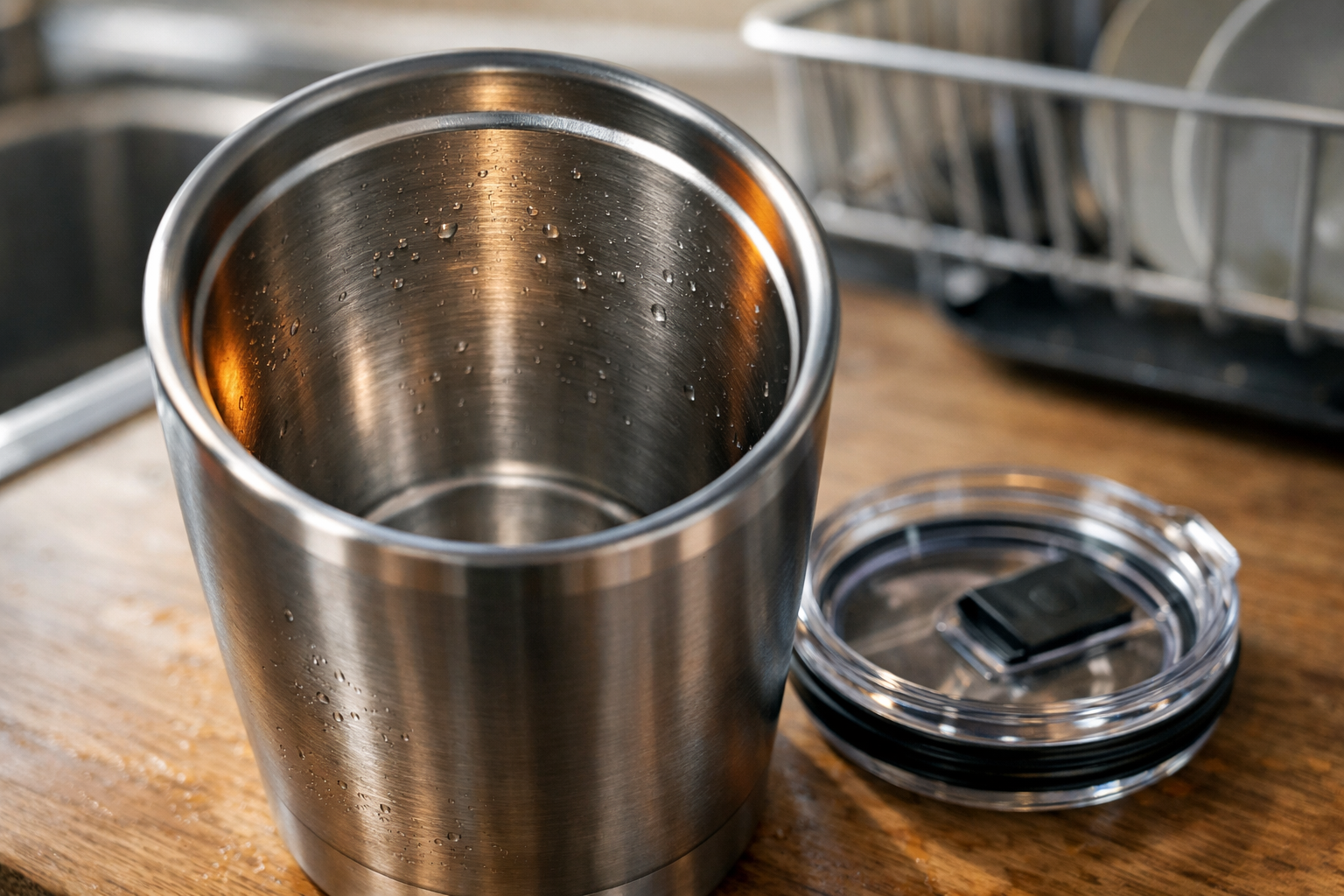
To understand why dishwasher safety matters, it helps to know how insulated drinkware actually works. A Yeti tumbler uses double-wall stainless steel construction with vacuum insulation between the layers. This vacuum eliminates heat transfer, allowing drinks to stay hot or cold much longer.
Many people worry that dishwasher heat might expand the metal or break the vacuum seal. In lower-quality insulated cups, that can indeed happen. If the seal fails, condensation may appear between the walls, and the cup will lose its temperature-retaining ability.
Yeti engineered their products to avoid this issue. The welds and seals are designed to handle high temperatures without warping or separating. Dishwashers typically operate between 120°F and 170°F, which is well within the tolerance of stainless steel drinkware.
However, aggressive dishwasher detergents can sometimes dull exterior finishes over many years of use. Powder coatings are durable, but harsh chemicals combined with repeated heat cycles can slowly affect the look of colored tumblers. The cup will still function perfectly—it just might not look as new.
The Best Way to Clean a Yeti Properly
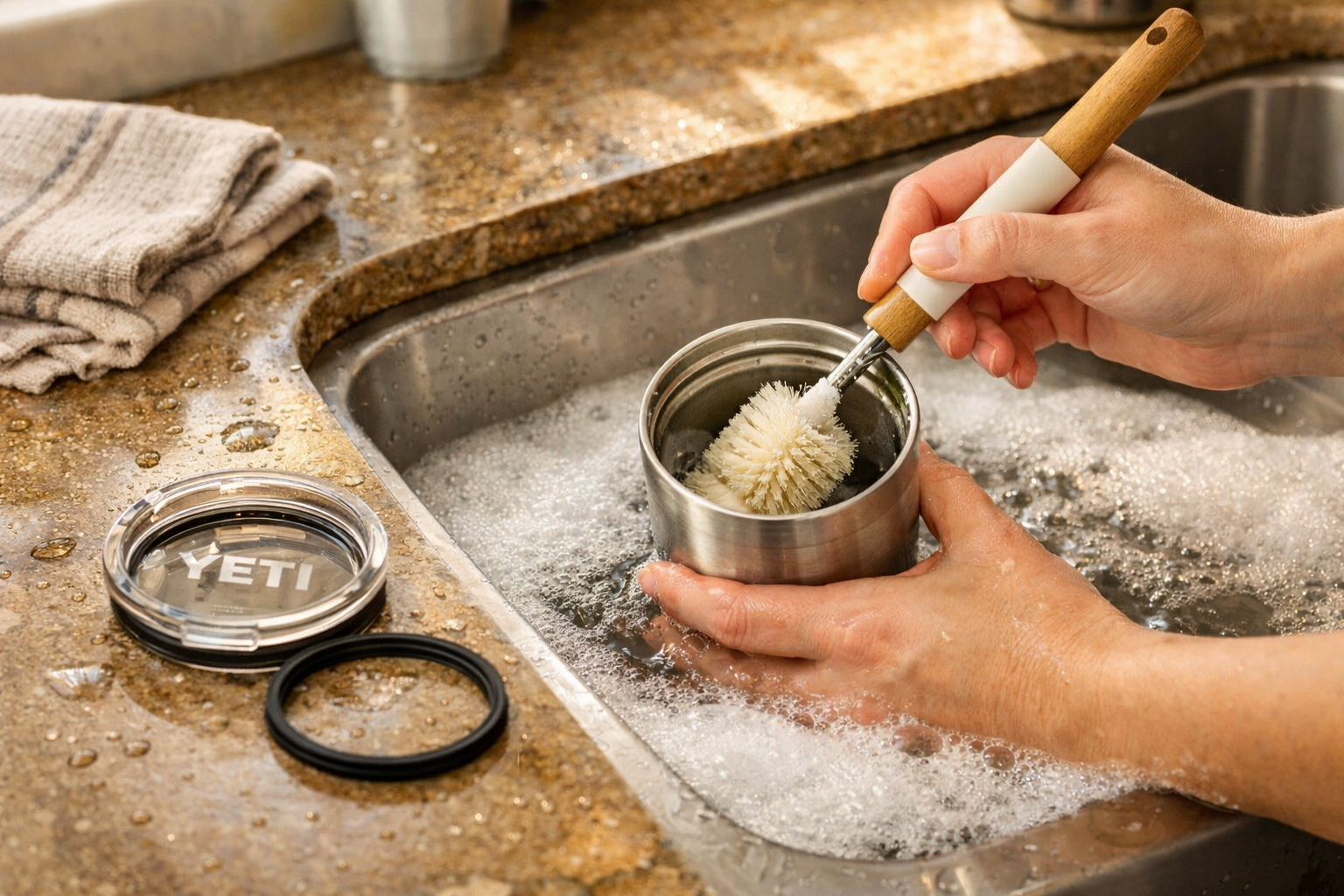
Even though Yeti products are dishwasher safe, that doesn’t always mean the dishwasher is the best option for every cleaning situation. For everyday use, placing the tumbler and lid on the top rack works perfectly fine and saves time.
But if you’ve been drinking coffee, protein shakes, or smoothies from your Yeti, hand washing occasionally can help remove stubborn residue. Warm water with mild dish soap and a bottle brush reaches areas that dishwashers sometimes miss. I’ve personally found this especially helpful for tall bottles where the bottom corners can trap smells.
Another important step is cleaning the lid separately. Many Yeti lids have removable rubber gaskets that can collect hidden residue. Removing the gasket once in a while and rinsing it thoroughly prevents odors from forming.
Letting everything dry completely before reassembling also matters more than most people realize. Moisture trapped in lids can encourage bacteria growth, especially when sugary drinks are involved.
Common Cleaning Mistakes That Damage Tumblers
A surprising number of Yeti owners unintentionally damage their tumblers while trying to clean them. One of the most common mistakes is using bleach or extremely harsh cleaning chemicals. These can degrade rubber seals and potentially discolor powder coatings.
Another mistake is soaking the entire tumbler in very hot water for long periods. While the stainless steel can handle heat, extended soaking isn’t necessary and can affect certain exterior finishes. Regular washing is far more effective.
People also occasionally use abrasive scrubbers like steel wool on the interior. Stainless steel is tough, but scratching the surface can create tiny grooves where stains or odors build up over time.
Perhaps the most overlooked mistake is simply neglecting the lid. Many odors that people blame on the tumbler actually come from residue trapped in the lid gasket. Cleaning that small component regularly can make a huge difference in keeping drinkware fresh.
When Hand Washing Is Still the Better Choice
Despite dishwasher safety, there are situations where hand washing remains the smarter option. If your Yeti contains stubborn stains from coffee or tea, a quick scrub with baking soda and warm water can remove discoloration more effectively than a dishwasher cycle.
Hand washing is also useful when cleaning immediately after outdoor trips. If you’ve used your tumbler for camping, hiking, or sports drinks, rinsing it right away prevents residue from drying inside.
Another reason people prefer hand washing is preserving the appearance of colored tumblers. While the powder coat is tough, gentle hand cleaning helps maintain the finish longer if aesthetics matter to you.
Finally, hand washing allows you to inspect the cup for dents, lid wear, or gasket damage. Catching small issues early can extend the life of the drinkware significantly.
Conclusion
So, can a Yeti go into the dishwasher? In most cases, yes. Modern Yeti Rambler cups, bottles, and mugs are designed to handle dishwasher cleaning without damaging their vacuum insulation or stainless steel construction.
That said, the best cleaning routine usually combines both methods. The dishwasher works great for everyday convenience, while occasional hand washing helps remove stubborn residue and keeps lids and gaskets fresh.
If you take a little extra care—cleaning the lid thoroughly, avoiding harsh chemicals, and drying parts completely—your Yeti drinkware can last for years. And that’s exactly what these rugged tumblers are built for: dependable performance, whether you’re sipping coffee at home or keeping water ice-cold on a summer hike.