What if I told you that for most of human history, clean clothes existed long before washing machines did? Even today, millions of people successfully clean clothes without ever touching one. I’ve been there myself—during power outages, travel stays, and even intentional minimal-living phases—and the truth surprised me.
Learning how to clean clothes without a washing machine isn’t just a survival skill. It’s practical, budget-friendly, and often gentler on your clothes than modern machines. Whether you’re dealing with a broken washer, living in a dorm or apartment without hookups, traveling, or simply trying to reduce wear and tear, there are reliable ways to get your clothes fresh again.
In this guide, I’ll walk you through real, tested methods for washing clothes by hand, removing stains, managing odors, and drying garments properly—all without shortcuts or gimmicks. No fluff. Just what actually works. And yes, your clothes can come out clean, soft, and wearable. Let’s get into it.
Why You Might Need to Clean Clothes Without a Washing Machine
Life doesn’t always cooperate with appliances. Sometimes your washing machine breaks down unexpectedly. Other times, you’re staying somewhere without laundry access, or living in a setup where installing one simply isn’t possible. I’ve personally dealt with all three situations, and each time, hand-cleaning clothes wasn’t optional—it was necessary.
Another reason people turn to manual cleaning is fabric care. Delicate items like wool, silk, lace, or activewear often last longer when washed gently by hand. Washing machines, even on gentle cycles, create friction that slowly damages fibers. Over time, colors fade faster, elasticity weakens, and fabric pills appear. Hand washing gives you complete control.
There’s also a sustainability angle that many people don’t consider at first. Washing machines consume significant water and electricity. When you clean clothes without one, especially in small batches, you often use less water and zero power. For anyone trying to live more intentionally, this method aligns surprisingly well with low-waste living.
How Hand Washing Clothes Actually Works
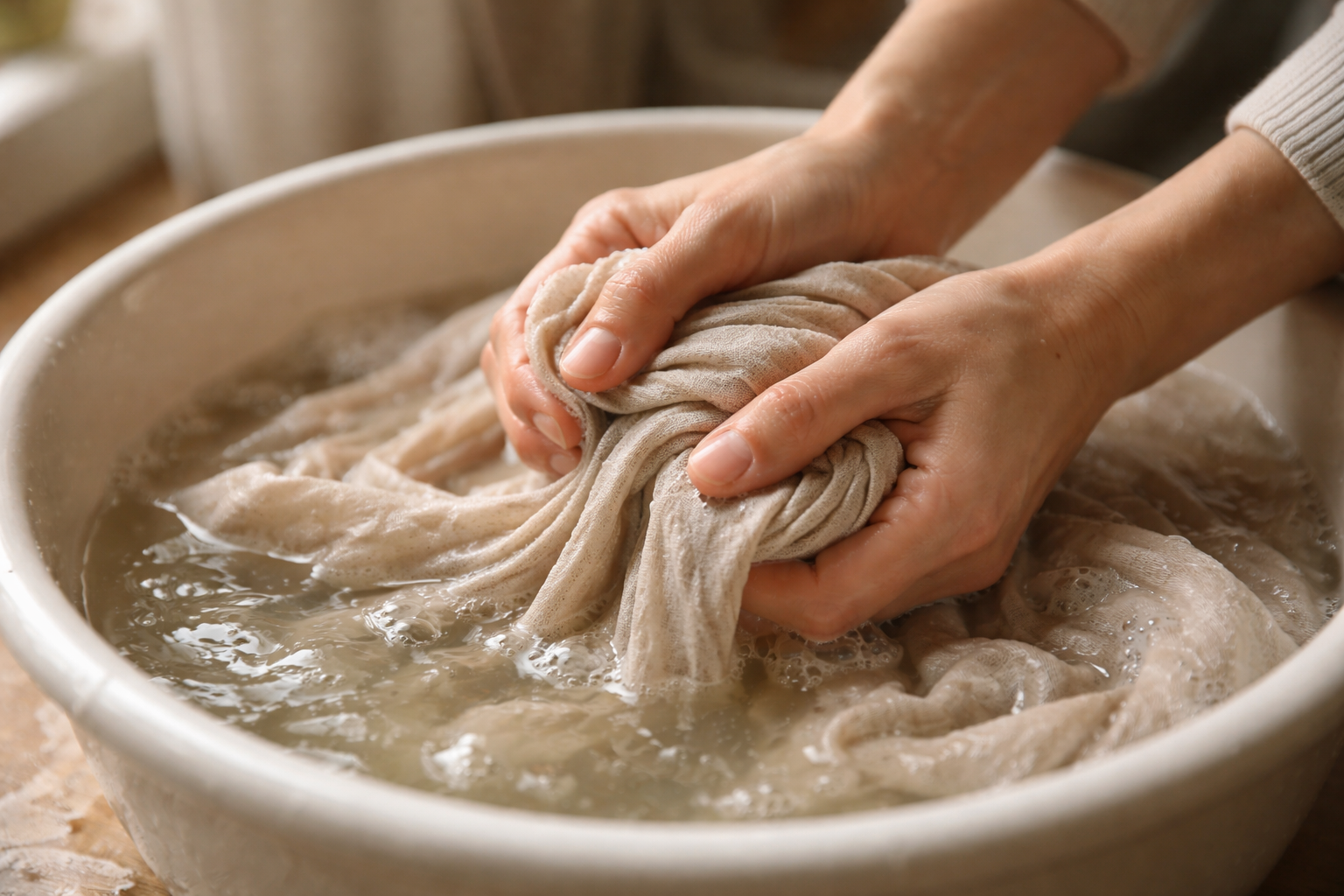
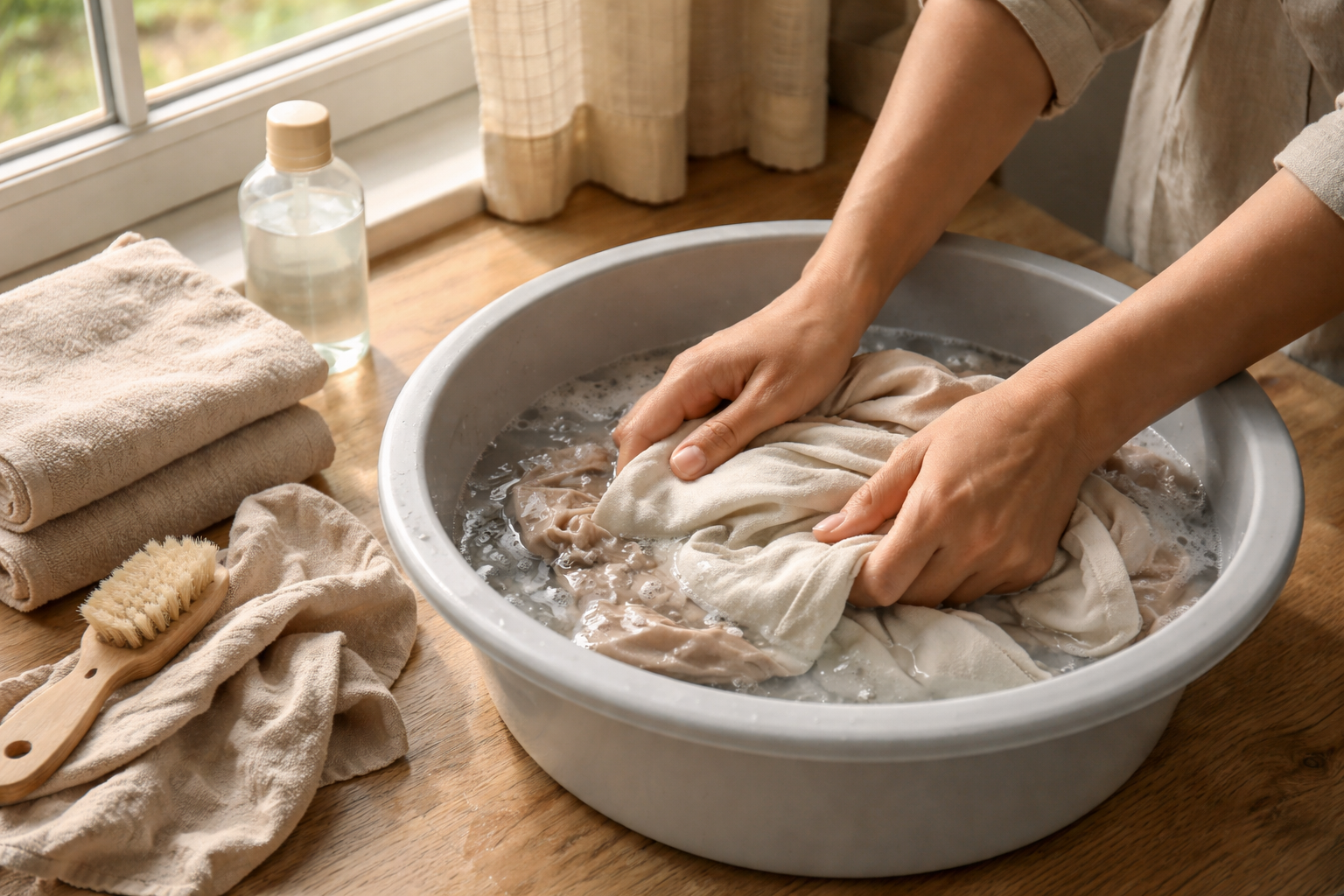
Hand washing clothes isn’t complicated, but technique matters more than people realize. The biggest mistake I see is aggressive scrubbing, which damages fabric while barely improving cleanliness. The real work happens through soaking, agitation, and proper rinsing.
Start by filling a basin, sink, or bucket with lukewarm water. Water that’s too hot can set stains and shrink fabrics, while cold water struggles with body oils. Add a small amount of detergent—less than you’d use in a machine. Too much soap makes rinsing harder and leaves residue behind.
Once clothes are submerged, gently press and swirl them through the water. This movement loosens dirt without stressing fibers. Let them soak for at least ten to fifteen minutes. For heavily soiled items, longer soaking does more than extra scrubbing ever will. After soaking, lightly rub fabric against itself in high-contact areas like collars, underarms, and cuffs. Rinse thoroughly until the water runs clear.
Choosing the Right Soap for Hand Washing
Not all soaps behave the same when washing clothes manually. Regular laundry detergent works, but it’s often highly concentrated. I usually dilute it in water first to prevent buildup. Mild liquid detergents designed for delicates are easier to rinse and gentler on skin.
In emergencies, dish soap can work in tiny amounts, but it’s not ideal for regular use. It strips oils aggressively and can leave fabrics stiff. Bar soap is surprisingly effective for spot cleaning, especially on cotton and linen, but it requires extra rinsing. The key is moderation—soap cleans dirt, but water does most of the actual work.
Removing Stains Without a Machine
Stains are where most people panic, assuming a washing machine is essential. In reality, immediate action matters far more than machinery. The sooner you treat a stain, the easier it comes out.
For fresh stains, blotting is critical. Never rub a wet stain aggressively, as that spreads it deeper into the fabric. Instead, press gently with a clean cloth or towel to absorb excess liquid. Then apply a small amount of soap directly to the stain and massage it gently with your fingers.
Oil-based stains respond best to warm water and patience. I’ve removed grease from shirts simply by letting soap sit on the spot for thirty minutes before rinsing. Protein stains like sweat or blood should always be treated with cold water first, as heat can permanently set them. Ink and makeup stains often lift with rubbing alcohol or diluted vinegar applied carefully before rinsing.
Dealing With Odors Without Washing Everything
Sometimes clothes aren’t visibly dirty—they just smell off. Washing every garment fully isn’t always necessary, and over-washing actually shortens clothing lifespan. Learning to neutralize odors without a washing machine is incredibly useful.
Fresh air is the most underrated solution. Hanging clothes outside or near an open window allows airflow to break down odor-causing bacteria. Sunlight also helps disinfect fabrics naturally. I’ve saved countless “one-wear” shirts this way.
For persistent smells, a simple soak in water with baking soda can neutralize odors without harsh chemicals. Vinegar works similarly, though it should be rinsed well to prevent lingering scent. Steam from a hot shower can also refresh lightly worn clothes, especially jackets and sweaters. The goal is odor removal, not deep cleaning—and that distinction matters.
How to Dry Clothes Properly Without a Dryer
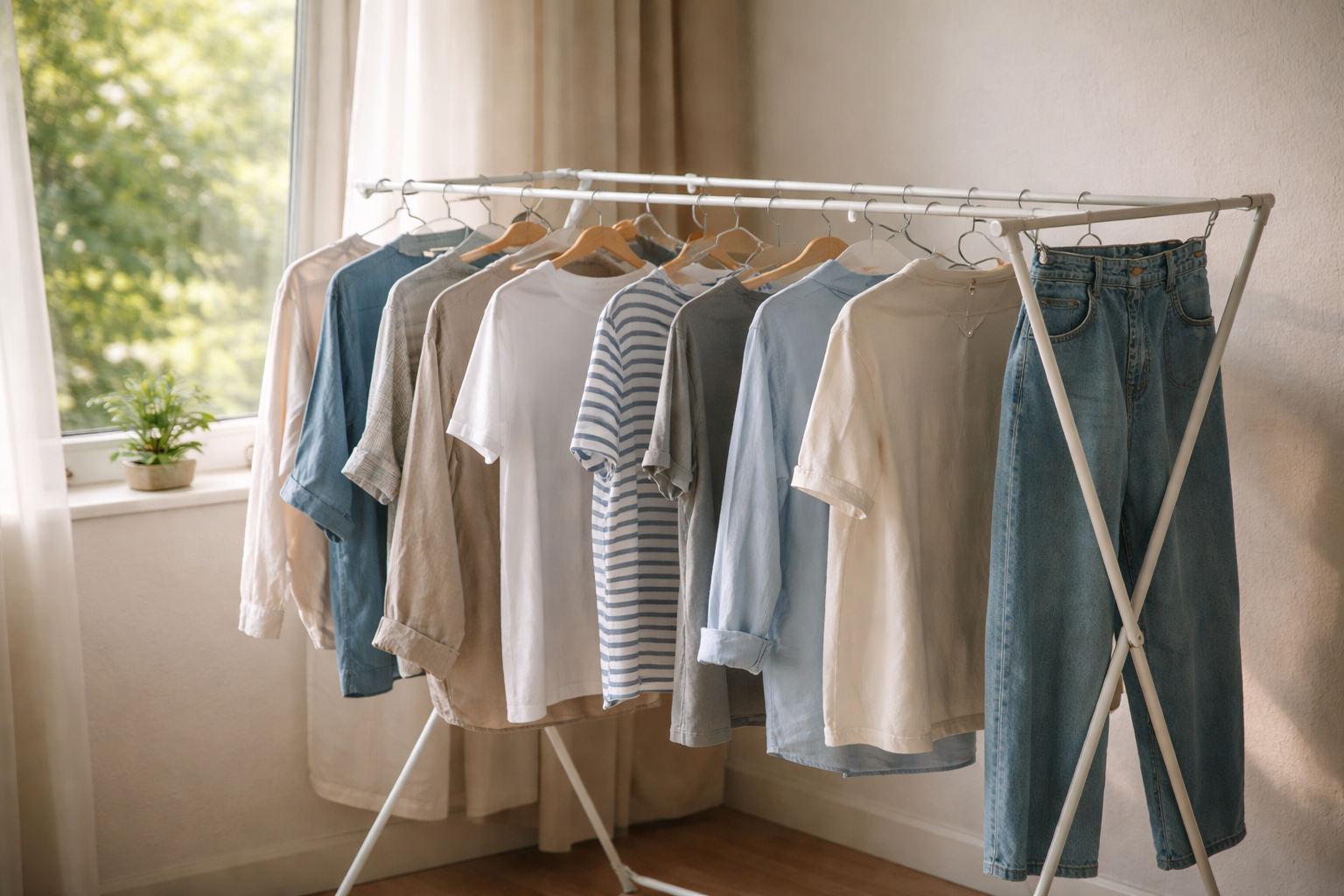
Drying clothes incorrectly can undo all your cleaning efforts. The most common mistake is wringing fabric aggressively, which stretches fibers and distorts shape. Instead, gently press water out by rolling clothes in a towel and applying pressure.
Air drying works best when clothes have room to breathe. Hang garments individually rather than stacking them, and avoid damp, enclosed spaces where mildew thrives. If indoors, placing clothes near a fan or window dramatically speeds drying time.
Heavier items like jeans and towels take longer, so patience matters. I’ve learned that flipping garments halfway through drying helps moisture evaporate evenly. Sunlight can speed things up but may fade dark colors, so shade is better for long-term fabric care. Done right, air drying keeps clothes looking newer for longer.
Common Mistakes People Make When Washing Without a Machine
The biggest misconception is thinking manual washing needs more force. In reality, time and technique outperform strength every time. Over-scrubbing causes fraying, thinning, and pilling that no amount of softness later can fix.
Another mistake is using too much detergent. Excess soap traps dirt rather than removing it, leaving clothes feeling stiff and looking dull. People also forget proper rinsing, which leads to skin irritation and odor buildup over time.
Skipping sorting is another issue. Even when hand washing, separating colors and fabric types prevents dye transfer and uneven wear. Treating all clothes the same way might seem convenient, but it shortens their usable life. Once you adjust your mindset, hand cleaning becomes surprisingly efficient and even satisfying.
Conclusion
Cleaning clothes without a washing machine isn’t a downgrade—it’s a skill. Once you understand how water, soap, time, and movement work together, you gain full control over how your clothes are treated. I’ve found that garments last longer, feel better, and often smell fresher when cleaned intentionally rather than tossed into a machine.
Whether you’re dealing with a temporary situation or choosing a more mindful approach, these methods genuinely work. From hand washing and stain removal to odor control and proper drying, everything you need is already within reach. Master this, and you’ll never feel stuck again—washer or no washer.