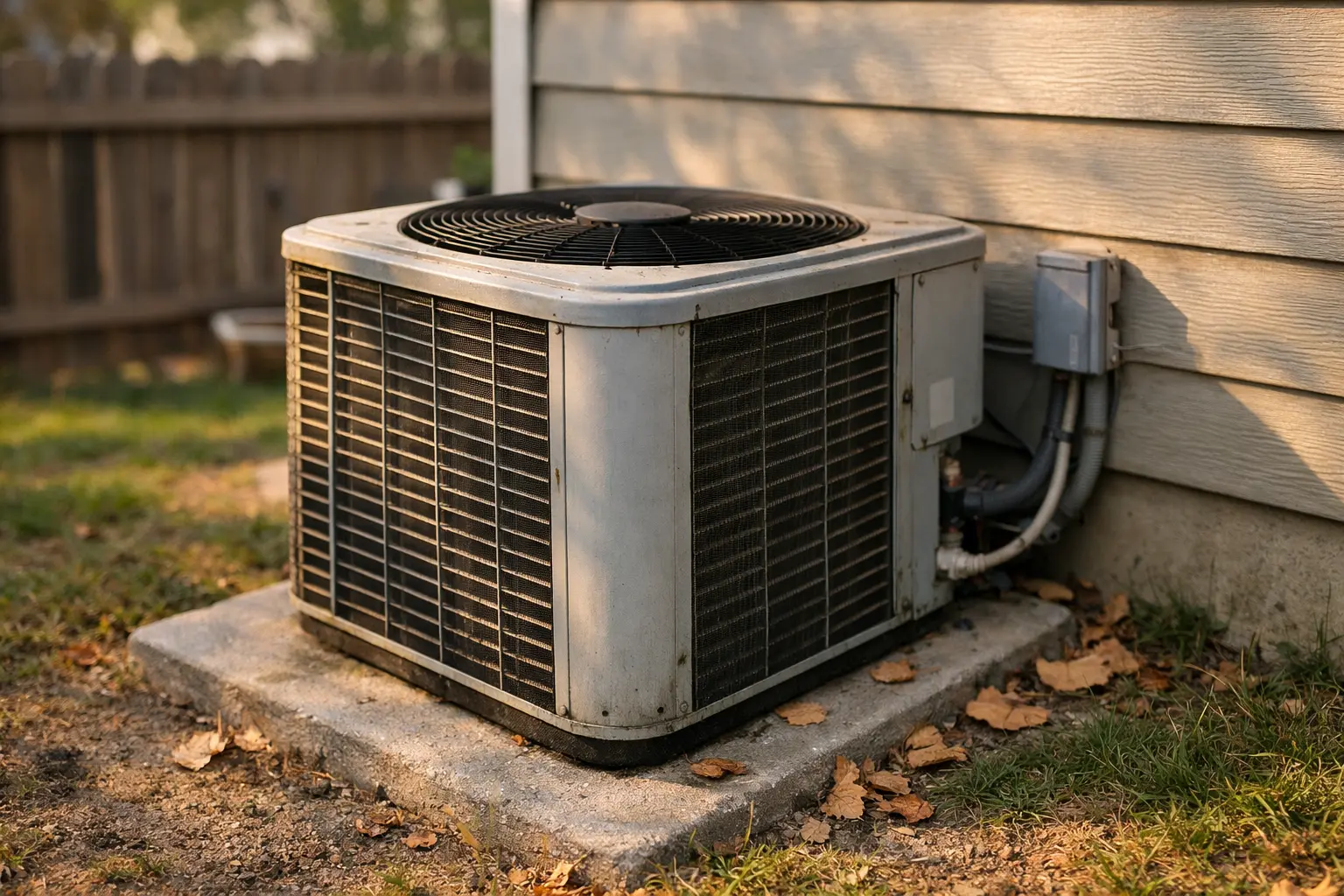
Most homeowners assume saving money on a new air conditioner means waiting for a seasonal sale. That’s actually wrong—utility rebates often deliver bigger savings than discounts ever could.
I’ve seen people cut hundreds off their cooling upgrade simply by using the Con Edison air conditioner rebate program correctly. No complicated hacks. No insider tricks. Just knowing exactly how the system works.
If you’re planning to install a high-efficiency AC, upgrade your HVAC system, or replace an old unit, this program can significantly reduce your upfront cost. The key is understanding eligibility, paperwork, and timing—because missing one step can cost you the rebate entirely.
In this guide, I’ll walk you through how to apply, what qualifies, and how to maximize your rebate without stress. Whether you’re a homeowner, landlord, or small business owner, this will save you money—and headaches.
What Is the Con Edison Air Conditioner Rebate Program?
The Con Edison air conditioner rebate program is designed to encourage energy-efficient cooling upgrades by offering financial incentives. Instead of rewarding usage, it rewards efficiency. That distinction matters more than most people realize.
When I first looked into utility rebates, I expected a complicated system full of restrictions. In reality, Con Edison has made the process relatively straightforward—but only if you follow their exact requirements. The program focuses on ENERGY STAR-certified air conditioners, ductless mini-splits, and central HVAC systems that meet strict efficiency standards.
What makes this rebate powerful is its direct impact on your upfront cost. Rather than saving a few dollars monthly, you receive a lump sum or bill credit after installation. That immediate return changes the math entirely when deciding between a basic unit and a high-efficiency one.
Many people overlook this program because they assume rebates are small or not worth the effort. That’s a mistake. In some cases, rebates can reach hundreds or even over a thousand dollars depending on the system type and efficiency rating.
Who Is Eligible for the Rebate?
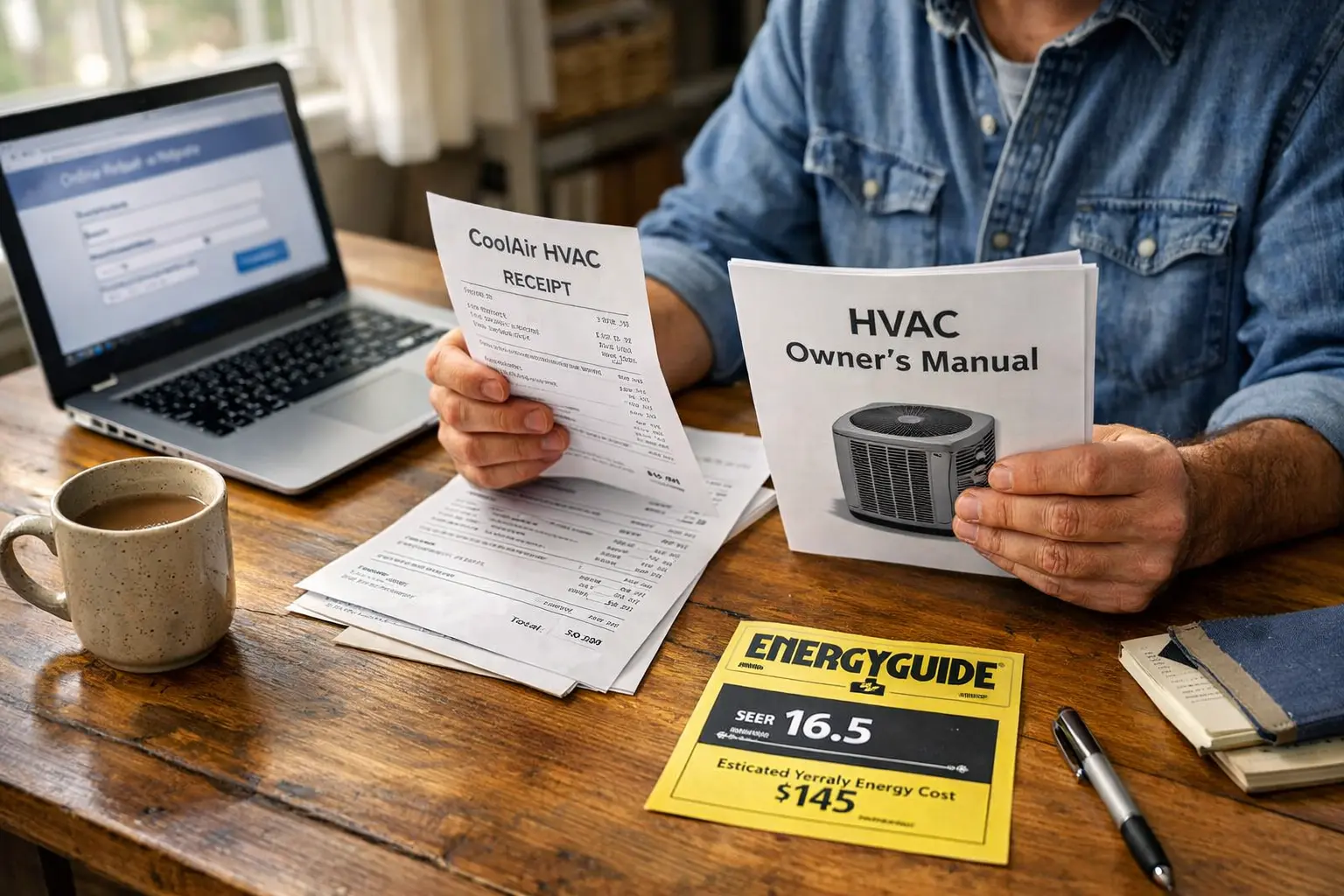
Eligibility is where most applications fail—not because people don’t qualify, but because they misunderstand the criteria. I’ve seen perfectly eligible homeowners get rejected over simple documentation issues.
To qualify, you must be a Con Edison customer with an active electric account. That sounds obvious, but it becomes tricky for landlords, multi-family properties, or shared meters. The rebate is tied to the account holder, not just the property.
The type of air conditioner matters just as much. Only specific models that meet ENERGY STAR or efficiency thresholds qualify. Buying a unit that looks “efficient” isn’t enough—it must be listed in approved product databases. Skipping this check is one of the most expensive mistakes you can make.
Installation also plays a role. In many cases, the system must be installed by a licensed contractor. DIY installations might save money upfront, but they can disqualify you from the rebate entirely. That trade-off rarely works in your favor.
Types of Air Conditioners That Qualify
Not all cooling systems are treated equally under the program. Understanding which ones qualify can dramatically change your upgrade strategy.
Window air conditioners are sometimes eligible, but the rebate amounts are usually smaller. These are ideal for renters or short-term solutions, but they won’t deliver the same financial return as larger systems.
Ductless mini-split systems often receive some of the highest rebates. I’ve personally seen homeowners switch to mini-splits and recover a significant portion of their investment through rebates alone. These systems are efficient, flexible, and perfect for homes without ductwork.
Central air conditioning systems also qualify, especially when paired with high SEER (Seasonal Energy Efficiency Ratio) ratings. The higher the efficiency, the better the rebate. This is where long-term savings and upfront incentives align beautifully.
Heat pump systems are another strong contender. They don’t just cool your home—they provide heating too. Because of their dual functionality and efficiency, they often unlock larger rebates and additional incentives.
Step-by-Step: How to Apply for the Rebate

Applying for the Con Edison air conditioner rebate program isn’t complicated, but it requires precision. Missing a single document can delay or cancel your rebate entirely.
The process starts before you even purchase your unit. You need to confirm that the model qualifies under Con Edison’s approved list. This step alone can save you from making a costly mistake.
Once your system is installed, you’ll gather documentation. This usually includes your purchase receipt, installation invoice, product specifications, and proof of eligibility. I always recommend double-checking every document before submission—small errors cause big delays.
Next comes the application submission. This is typically done online through the Con Edison rebate portal. The system is user-friendly, but it expects accurate details. Rushing through this step is where most people go wrong.
After submission, there’s a waiting period. Approval times vary, but most rebates are processed within a few weeks to a couple of months. Staying patient—and keeping copies of everything—makes this phase stress-free.
Common Mistakes That Get Applications Rejected
Nothing is more frustrating than expecting a rebate and getting denied. Unfortunately, it happens more often than it should.
One of the biggest mistakes is purchasing a non-qualifying unit. People assume all new air conditioners are efficient enough. That assumption leads to instant disqualification.
Another common issue is incomplete documentation. Missing invoices, unclear receipts, or incorrect account details can stop your application cold. I’ve seen cases where everything was correct except one missing file—and the rebate was denied.
Timing also matters. Some rebates must be applied for within a specific timeframe after installation. Waiting too long can make you ineligible, even if everything else is perfect.
Lastly, incorrect installation practices can hurt your chances. If the system isn’t installed according to guidelines or by a certified contractor, the rebate may not be approved.
How Much Can You Actually Save?
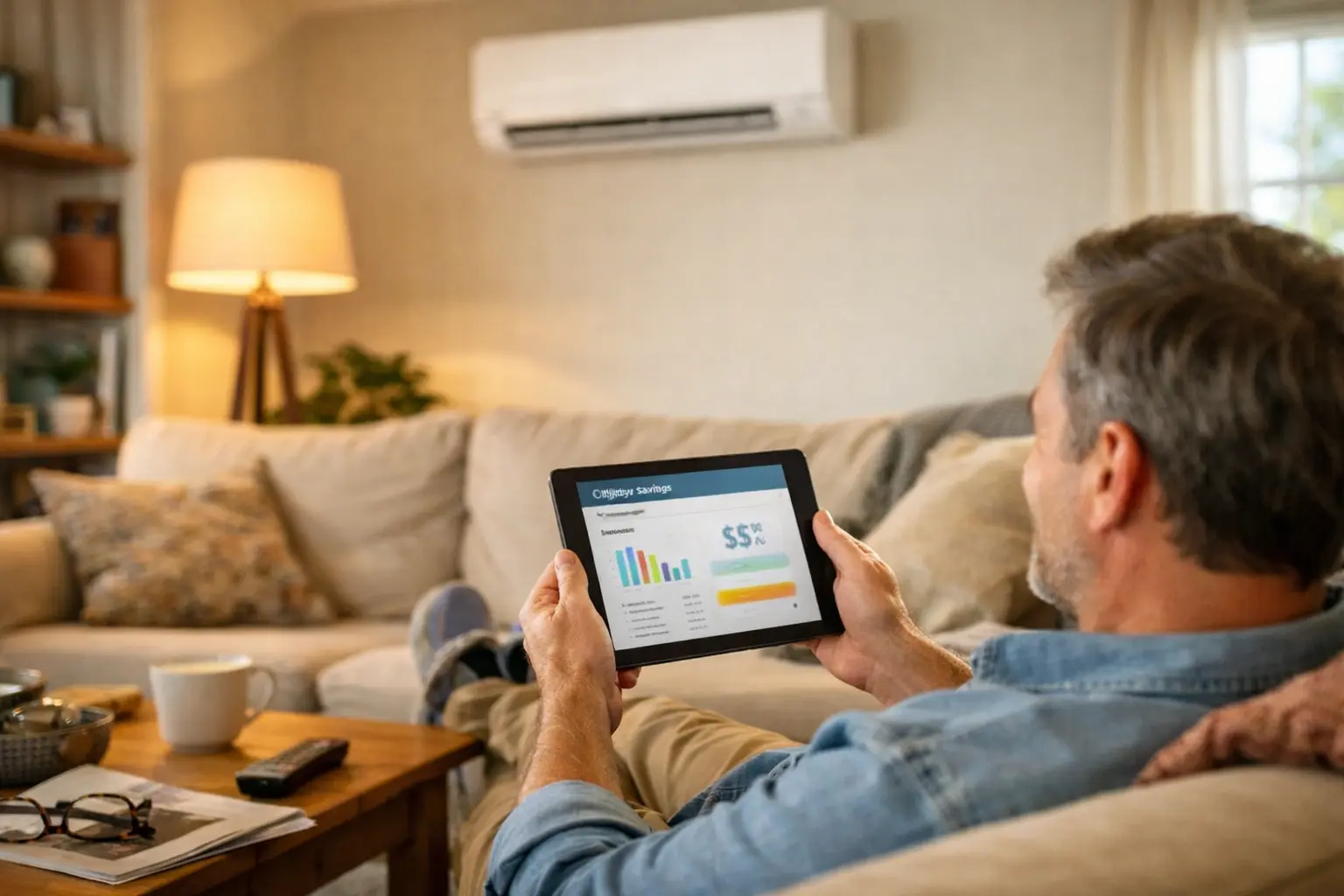
The savings depend heavily on the type of system you install. This is where strategic thinking pays off.
For smaller units like window ACs, rebates might range from modest amounts. They’re helpful, but not game-changing. These are best seen as small bonuses rather than major incentives.
Mid-range systems like ductless mini-splits can offer significantly higher rebates. In some cases, homeowners recover a noticeable percentage of their total cost, making upgrades far more affordable.
High-efficiency central air systems and heat pumps often unlock the largest rebates. When combined with long-term energy savings, the total financial impact becomes substantial. You’re not just saving upfront—you’re reducing monthly utility bills for years.
What surprised me most when analyzing these programs is how often people underestimate the total value. The rebate is just the beginning. Efficiency savings compound over time, making the real benefit much larger than it appears.
Tips to Maximize Your Rebate Approval
Maximizing your rebate isn’t about luck—it’s about preparation. The difference between a smooth approval and a rejection often comes down to small details.
Start by choosing the right system. Don’t just look at price—focus on efficiency ratings and eligibility. This one decision sets the foundation for everything else.
Work with a licensed contractor who understands rebate requirements. Experienced professionals often guide you through the process and help ensure compliance. That guidance alone can be worth it.
Keep every document organized. I always recommend creating a simple folder with receipts, product specs, and installation details. When it’s time to apply, everything is ready.
Finally, submit your application promptly. Delays create unnecessary risk. The sooner you apply, the smoother the process tends to be.
Final Thoughts: Is the Con Edison Rebate Worth It?
Upgrading your air conditioner without using available rebates is leaving money on the table. It’s that simple.
The Con Edison air conditioner rebate program offers real, tangible savings—but only if you approach it correctly. From choosing the right unit to submitting a complete application, every step matters.
Take a little extra time to verify eligibility, work with the right installer, and organize your paperwork. That effort can translate into hundreds of dollars saved and a more efficient home.
If you’re planning an AC upgrade this year, don’t skip this program. Use it strategically—and make your investment work harder for you.


